
Senate Republicans are weighing the creation of a rural hospital fund to address concerns about Medicaid cuts that have emerged as a key sticking point as GOP lawmakers try to meet President Donald Trump's July 4 deadline for passing a sweeping budget reconciliation bill.
As of Tuesday afternoon, details of the fund remained unclear.
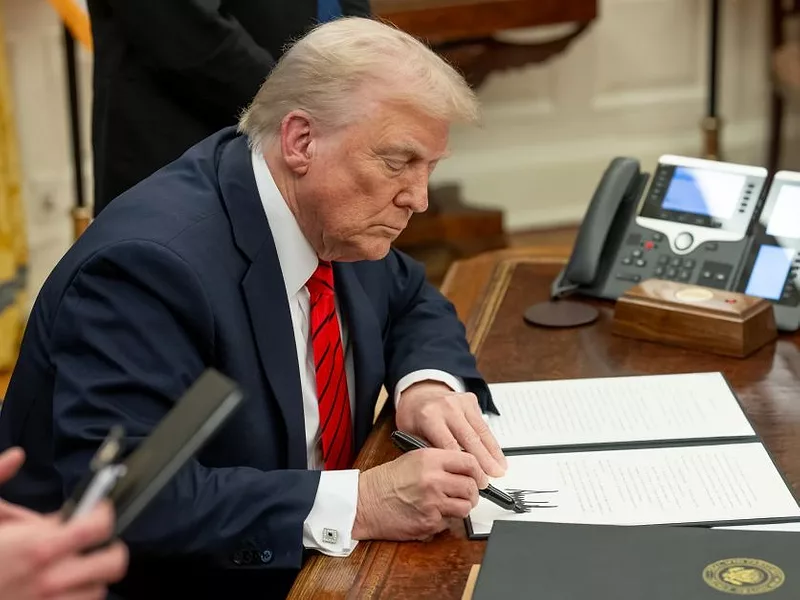
Trump on Tuesday called on Republicans to scrap their July 4 vacation plans if need be to ensure that the legislation gets to his desk next week. The Senate hasn't started debate on its version of the One Big Beautiful Bill. Unless House Republicans agree to accept the Senate version as is, GOP leaders will have to negotiate a compromise.
The legislation extends tax cuts and increases spending for farm programs.
“Work with the House so they can pick it up, and pass it. IMMEDIATELY, NO ONE GOES HOME ON VACATION UNTIL IT’S DONE,” Trump said in a social media post.
Medicaid is particularly important for rural hospitals and is often the primary insurer in those communities. Most of these hospitals and health centers are already facing financial challenges, with nearly half of rural hospitals operating on negative margins.
Rural health advocates and some Republicans warn that provisions proposed by the Senate Finance Committee could devastate rural hospitals, causing many to close or cut services. This, on top of cuts to Medicaid eligibility, would hurt rural communities.
In many states, rural hospitals and healthcare centers serve people in the agricultural sector. These individuals also rely on Medicaid to stay healthy and productive, said Craig Thompson, CEO at Golden Valley Memorial Healthcare in Missouri.
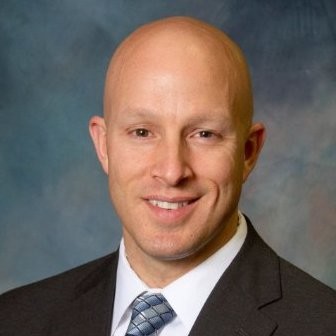 Craig Thompson (LinkedIn photo)
“As a rural hospital provider, I can tell you that the bulk of our Medicaid recipients are farmers, ranchers, small business owners, veterans and a whole bunch of kids,” Thompson told reporters.
The proposal by Senate Finance Committee Republicans includes steeper cuts to provider taxes than the House version of reconciliation, which paused current taxes and prohibited states from establishing new taxes or raising rates. Provider taxes are fees that many states use to fund their share of Medicaid costs. The funding ultimately helps increase Medicaid payments to providers.
The Senate GOP version would go further by reducing existing provider taxes in states with Affordable Care Act Medicaid expansion and cap the limit at 3.5%. This would apply to 22 states, including California, Missouri, Illinois, Iowa and Minnesota.
Through this change and other policies on providers, the National Rural Health Association estimates that rural hospitals would lose 21 cents out of every dollar they receive in Medicaid funding, on average. This would amount to a loss of nearly $70 billion over a 10-year period.
In over half the states, cuts to Medicaid funding for rural hospitals could exceed 20%, according to NRHA. This could accelerate rural hospital closures or lead to a cut in services.
It’s easy to be “in the know” about what’s happening in Washington, D.C. Sign up for a FREE month of Agri-Pulse news! Simply click here
On top of cuts to providers, NRHA estimates that rural communities are expected to face more significant coverage losses, given Medicaid covers a larger share of rural populations. About 1.5 million rural residents who would qualify for Medicaid under current law are expected to lose coverage under the Senate proposal, NRHA estimates.
To offset the impact of the changes to the provider tax and other provisions, Senate GOP leaders are said to be weighing a rural hospital fund.
Sen. Josh Hawley, R-Mo., has been a vocal opponent of some of the Medicaid changes in the Finance Committee draft, especially those that hurt rural hospitals. Still, he said leadership has not shared a framework or details about the fund or how large the dollar figure could be.
He said he may support a proposal that Republican Sen. Susan Collins of Maine is developing, but it’s unknown if that’s the direction leadership will take.
While the Senate is hoping to vote on the final text later this week, Hawley said there was no clear timeline for settling the Medicaid and rural health questions.
“It’s really a funding question. It doesn’t really matter to me how the funding works, so long as the funding gets there,” Hawley said. “There’s multiple ways to get there, but my message is they have to get there. You can’t just defund half the hospitals in my state which are rural.”
Several senators shared Hawley’s concern about the impacts of the bill on rural hospitals, but it’s unclear how many will make it a red line if the provisions are unchanged in the final version.
Sen. Jim Justice, R-W.Va., said his preference would be to see the provider tax frozen, but there’s still a lot of debate to come.
He said he would also support the rural hospital relief fund idea, or anything that would preserve those institutions. But he seemed to criticize colleagues who said they’d vote against the bill over Medicaid changes.
“I think you've got a lot of people that are up on a soapbox saying stuff and everything,” Justice said. “At the end of the day, I think everybody will use good, common sense, and they'll come to their own conclusions.”
Following a Monday night meeting with the GOP conference, Hawley warned that the rural hospital issue could be what bogs down the reconciliation process. He said the House is unlikely to go along with what Senate Finance presented, which could mean a dragged-out conference.
On Tuesday, several House Republicans wrote to GOP leaders in both chambers urging them to pursue Medicaid reforms in the House-passed bill rather than the Senate proposal. Specifically, the members expressed concern about the changes to provider taxes, state directed payments and implementation timelines.
“Protecting Medicaid is essential for the vulnerable constituents we were elected to represent,” the lawmakers wrote. “Therefore, we cannot support a final bill that threatens access to coverage or jeopardizes the stability of our hospitals and providers.”
For more news, go to Agri-Pulse.com.

