
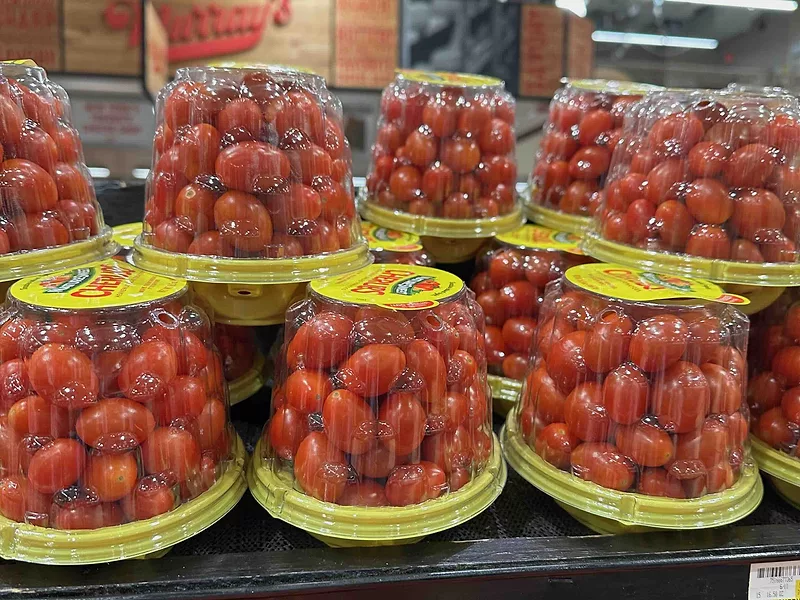
Advocates in favor and those opposed to impending tariffs on Mexican tomatoes have ramped up their lobbying efforts, with supporters of an earlier agreement to suspend duties optimistic that there is still time to avert the tariffs before Monday’s deadline.
The Commerce Department in April announced it would terminate a suspension agreement with Mexico that had been in place since 2019, kickstarting a 90-day withdrawal process that will end in new tariffs on U.S imports. The deal had suspended duties on tomato shipments to the U.S. provided Mexican producers sold their products above an agreed floor price.
But with those 90 days nearly up, efforts to keep tariffs at bay are in overdrive. In more than a dozen conversations with Agri-Pulse, eleven industry representatives, lawmakers, and congressional staffers, some of whom were granted anonymity to discuss private conversations, describe a situation that remains in flux just days before new tariffs are set to take effect.
“The Tomato Suspension Agreement negotiations are coming down to the wire,” said Lance Jungmeyer, president of the Fresh Produce Association of the Americas – a trade association representing importers of Mexican produce that has played a central role in the effort to keep tariffs off Mexican tomatoes.
“We have seen increased activity on the Hill and at agencies, including Commerce, USDA and USTR,” Jungmeyer added.
Earlier this week, a coalition of Mexican growers wrote to Commerce Secretary Howard Lutnick to ask for an additional 90-day stay on any new duties that they say would give both governments more time to explore potential revisions to the 2019 agreement. This was the third such request in the last two weeks, with two previous letters from NatureSweet and Mexican grower Bioparques de Occidente calling for a 60-day extension of the withdrawal period.
Mexican growers and officials have spoken with Commerce counterparts multiple times in recent weeks, according to filings with Commerce’s International Trade Administration, including in the last few days. In addition to pursuing additional time for both sides to overhaul the agreement, advocates have also suggested using a tariff-rate quota to limit imports from Mexico, rather than reintroducing tariffs on all shipments.
The U.S. Chamber of Commerce – the largest lobby group in the United States – is also about to enter the fray. The group will send a letter to Lutnick later today that warns of the economic impact of new tomato tariffs and urges Commerce to take the time needed to negotiate a new agreement, according to a copy of the letter seen by Agri-Pulse.
Lawmakers in Texas and Arizona, which are home to industries that benefit from lower-cost tomato imports, have also been pressing the administration to reconsider. A resolution that encourages Commerce to renegotiate and modernize the suspension agreement, rather than scrap it, passed the Texas state legislature and was signed into law by Gov. Greg Abbott last month.
Meanwhile, Arizona Democratic Sen. Mark Kelly told Agri-Pulse he has raised the issue with Lutnick in recent months. A group of Arizona GOP House lawmakers also wrote to the Commerce secretary in June to urge a course reversal.
“He seemed to get it,” Kelly said of his conversation with Lutnick.
The full-court press on the issue may be getting somewhere. Someone familiar with the situation told Agri-Pulse on Wednesday afternoon that conversations are continuing within the Commerce Department about next steps, but the person added, “it’s a Lutnick-level decision.”
“I’m certainly hopeful that the Commerce Department will issue at least a delay so that the parties can continue talking,” said Tom Stenzel, executive director of the Controlled Environment Agriculture Alliance, which represents indoor growers, some of whom have operations in both the U.S. and Mexico.
The Commerce Department did not respond to Agri-Pulse’s request for comment.
But advocates for withdrawal in Florida, where the bulk of the U.S. outdoor tomato production occurs, are confident that the administration will stick to its guns and proceed with new tariffs next week.
“I don't think they will delay it,” Florida GOP Sen. Rick Scott told Agri-Pulse on Wednesday evening. “No one has suggested to me they’re going to delay.”
But some critics of the deal aren’t taking any chances. Lawyers for the Florida Tomato Exchange, which filed the original petition to call for the withdrawal from the agreement, spoke to Commerce officials on Tuesday to urge officials not to delay the withdrawal, according to department filings.
Fast-paste talks
Floridian lawmakers and growers have some reason to be confident. Advocates on both sides of the issue noted that the rising stock of Floridian lawmakers in the second Trump administration was a major driver of the decision to withdraw from the suspension agreement.
Advocates for withdrawal were also quick to seize the opportunity afforded by an incoming president intent on using tariffs to protect and reshore U.S. industries.
A tomato industry source in Florida told Agri-Pulse that they began meeting with officials on the Trump transition team to discuss the issue even before Trump took office.
Cut through the clutter! We deliver the news you need to stay informed about farm, food and rural issues. Sign up for a FREE month of Agri-Pulse here.
Lawmakers’ offices also jumped on the issue early in Donald Trump’s presidency, according to congressional aides.
“When the Trump administration came in, I mean really, on day one, we had outreach to the International Trade Administration,” an aide in a Florida lawmaker’s office told Agri-Pulse. “We started just kind of back channeling, talking to folks privately and having meetings privately, pretty much days after the inauguration.”
Notably, former Florida GOP Sen. Marco Rubio was confirmed as Secretary of State on the day of Trump’s inauguration. While none of the advocates Agri-Pulse spoke to were aware of any influence Rubio exerted over the process, given the suspension agreement falls under Commerce’s purview. But Rubio had been an outspoken critic of the suspension agreement during his time in the Senate and during his confirmation hearing, he cited ag trade as a major thorn in the U.S.-Mexico relationship.
“That's a good ally to have if we are going to terminate this agreement,” the congressional aide said.
Opponents of the deal also saw their message bolstered after Trump entered the White House and began issuing tariff threats to Mexico. The tomato industry noticed a spike in tomato imports ahead of the Trump administration’s first tariff deadline of Feb. 4, causing prices to fall. A similar phenomenon occurred before the March tariff deadline.
“We started using that also with the administration, as a hammer, to show them ... how bad this is going, and what they're doing,” the industry source said.
What further drove the decision forward, according to three people familiar with the conversation, was an exchange between Florida GOP Rep. Kat Cammack and Lutnick at the Capitol on March 4, the day Trump addressed a joint session of Congress in which she raised the issue with the secretary. Cammack is the only Florida lawmaker to sit on a congressional ag committee.
Meanwhile, advocates on the other side of the issue felt that they were being beaten off the mark in the race to influence the new administration.
Trump administration officials prioritized meeting with donors and political allies during the early part of the administration while they were still staffing up, Jungmeyer said. That has since changed, he said, but the Florida industry continues to enjoy significant access at all levels of the administration.
Bob Spencer owns West Coast Tomato, which maintains four farms in central and south Florida, and his family has been in the tomato industry since the 1920s. Over the last decade, Spencer said that he has been reducing his tomato acreage as domestic demand has dried up. He made the decision in 2022 to stop planting tomatoes that would need harvesting during Mexico’s peak harvest in February and March because, he says, he couldn’t compete with the imported products.
During a fly-in to Washington last month, Spencer and others met with officials at the White House for what Spencer described as a “very positive” conversation.
Shoot first, questions later?
The flurry of early lobbying from Florida lawmakers and industry, critics say, led to a situation where the administration leapt into action before fully analyzing the consequences of the decision. Opponents point to an economic analysis from Texas A&M published after the announcement of the U.S.’ withdrawal that indicated tomato imports could support as many as 47,000 U.S. jobs and contribute more than $8 billion to the economy.
“The administration shot first and asked questions later, and they're realizing that they should have asked some questions first,” an industry source said. “Now I think they're scrambling to understand what they're supposed to do.”
There are also political ramifications to consider, with strong opposition in the swing state of Arizona, a dimension that multiple interviewees said likely contributed to the Biden administration’s decision to remain in the agreement despite pressure from some quarters to withdraw.
“It really is a case of the administration picking one portion of the U.S. economy to win out over another – the Southeast or the Southwest,” Jungmeyer said.
Stenzel agreed that the decision administration officials are facing is almost binary.
“The political side of this is boiling down … to Florida versus Texas and Arizona,” Stenzel said.
“With all the talk about tariffs and America first, they kind of let the Florida folks think that this was a time to be aggressive,” Stenzel added. “The mistake here is that they don't understand that there are a lot of growers beyond Florida field growers … So, if you punish the Mexican guys, you're also punishing U.S. companies,” Stenzel said, as well as Canadian companies with operations in Mexico and importers.
“It's more complicated than I think people have realized,” he said.
For more news, go to Agri-Pulse.com.

