

The Bureau of Reclamation will remain without a leader for the foreseeable future after politics allegedly sank the nomination of former Arizona water official Ted Cooke, leaving the agency rudderless as it manages tense negotiations over a future framework for Colorado River water cuts.
Cooke, a former general manager of the Central Arizona Project, told Agri-Pulse in an interview that he has been asked by the White House to withdraw his nomination, tightening an already narrow time window for a new candidate to be proposed and confirmed before Colorado River states run into deadlines during negotiations over how water cuts should be determined after current guidelines expire next year.
The official reason Cooke was given was that there were paperwork issues with his nomination. However, he said he has heard from others that it was due to pressure from Senate Energy and Natural Resources Committee members from the four upper Colorado River basin states, which are currently feuding with Arizona, California and Nevada over the post-2026 guidelines.
"This breaks a long, long-term tacit understanding that we do not politicize water," said Cooke, who intends to withdraw from the nomination as asked. "Why this whole thing has happened at a time when the Colorado River can least afford to have this happen is beyond me."
Cooke said officials within the four Upper Basin states — Colorado, New Mexico, Utah and Wyoming — have been raising objections to his nomination for months over concerns his history in Arizona would bias him. He worked for 24 years at the Central Arizona Project, an aqueduct that services Central and Southern Arizona, before spending a few years as a board member and chair of the Water Infrastructure Finance Authority of Arizona's long-term water augmentation committee.
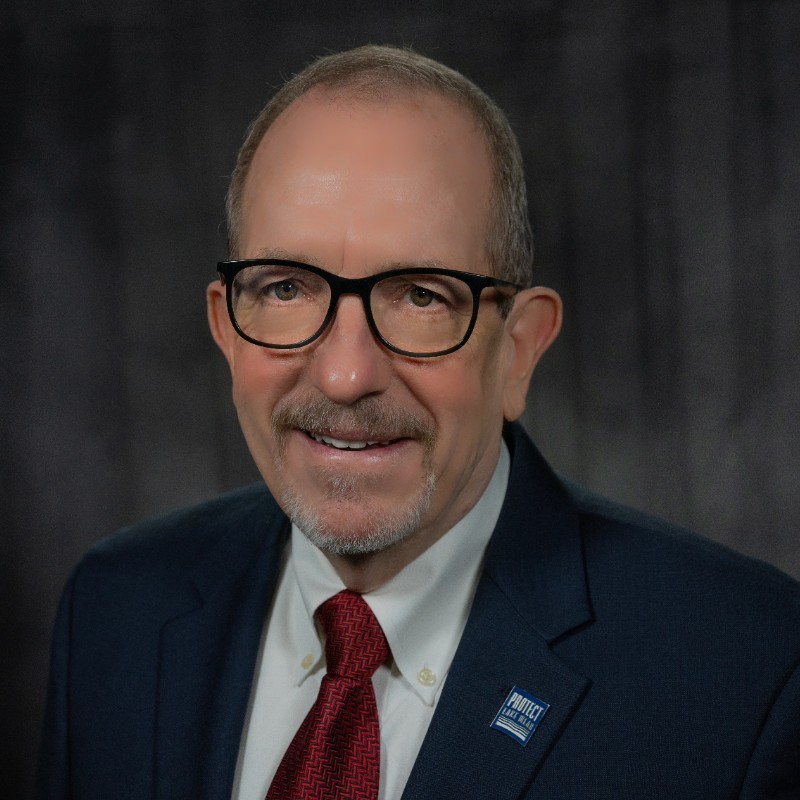 Ted Cooke (LinkedIn photo)
"Since the day I was nominated in June, there have been objections from the four Upper Basin states in the Colorado River Basin that, because I was from Arizona, they believed that I would be too biased of a candidate to treat them fairly," Cooke said. "And that drum beat, I guess, just got louder and louder and louder over the ensuing three months until the decision was made by the White House."
Don’t miss a beat! It’s easy to sign up for a FREE month of Agri-Pulse news! For the latest on what’s happening in Washington, D.C. and around the country in agriculture, just click here.
When asked about the bias concerns, Cooke said he has experience navigating decisions while trying to fairly weigh the interests of multiple viewpoints, pointing to his efforts to work with irrigators, municipalities, environmental groups and a variety of other stakeholders while at the Central Arizona Project. He also said he wouldn't be the first Reclamation commissioner from within the basin, pointing to Camille Touton, Brenda Burman, Estevan López and Michael Connor as past examples.
"There's no evidence that I'm any different from these other people," he said.
A White House spokesperson did not respond to a request for comment.
Sen. Cynthia Lummis, R-Wyo., isn't on the Energy and Natural Resources Committee but told Agri-Pulse she was aware of the Upper Basin concerns about Cooke. She said she didn't weigh in on the nomination.
The seven basin states face a Nov. 11 deadline to come to an agreement in principle over post-2026 operations, Scott Cameron, a senior advisory to the interior secretary, told negotiators from the four Upper Basin states — Colorado, New Mexico, Utah and Wyoming — in June. If one is reached, details will need to be solidified by Valentines Day so that Reclamation can begin an environmental review process in March.
"There's obviously an opportunity for some flexibility around both of those dates, but I would say not an awful lot," Cameron said at the time.
Cooke, whose nomination landed at the Senate on June 16, said it will be more difficult for states to come to a mutual consensus without a Reclamation commissioner to push them towards one. He believes it will be difficult for the White House to not only find a candidate steeped in Colorado River expertise that doesn't stir up opposition from either end of the basin, but also get them confirmed before the deadlines pass.
"We're kind of at the doorstep of being out of time — and out of water, for that matter," he said.
For more news, go to Agri-Pulse.com.

