
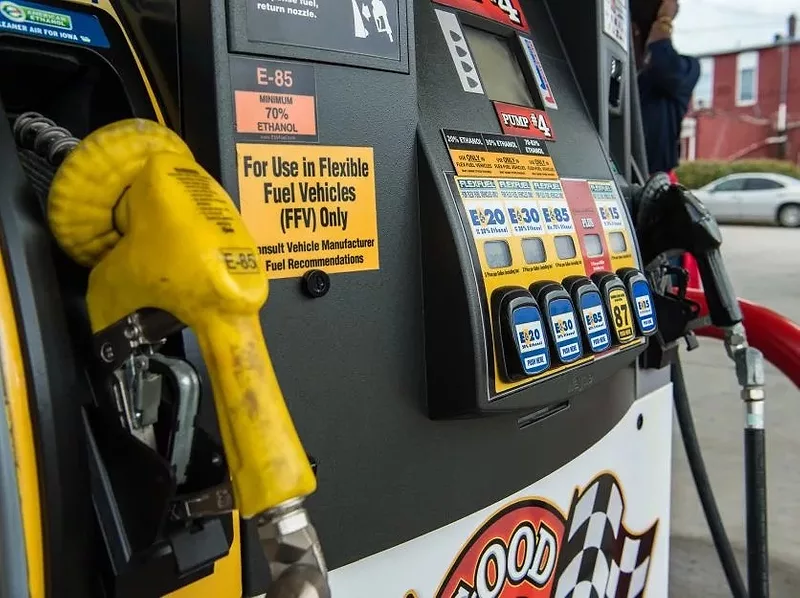
The Trump administration issued long-awaited final biofuel-blending rules for this year and next, marking the biggest mandate ever for biomass-based diesel following years of policy setbacks for producers of renewable fuel and oilseed crops.
In addition, the Environmental Protection Agency finalized a 70% partial reallocation of 2023–2025 exempted renewable volume obligations for 2026-27. EPA said the approach will help "balance" the regulatory landscape when considering RVOs and the impacts of small refinery exemptions, "including protecting biofuel demand while maintaining a stable and functioning credit market."
EPA is delaying until 2028 its proposal that foreign fuels and feedstocks receive half the biofuel-credit value under the Renewable Fuel Standard as U.S.-made products.
The incentive for energy companies to use U.S. farm products like soybeans and corn oil in making fuels such as renewable diesel, known in the industry as a "half-RIN discount," was pushed for by agriculture groups after a surge of Chinese used cooking oil and other foreign biofuel feedstocks started flooding the American market, reducing demand for domestically-grown ingredients.
Many fuel makers argued against it, saying it would hurt competition and raise costs. For the farming sector, the high volume mandates will make up for the lack of a half-RIN for foreign feedstocks, said Bloomberg Intelligence analyst Brett Gibbs.
"Ag will soon see that gallons are just as good of a substitute as a foreign RIN discount," Gibbs told Agri-Pulse.
The National Oilseed Processors Association praised the final RVOs.
"The record biomass-based diesel volumes, the 70 percent reallocation of waived gallons from 2023-2025 SREs, and the commitment to account for SREs on a go-forward basis restores program integrity and sends a strong market signal that this administration is committed to putting the RFS back on a growth trajectory," said NOPA President and CEO Devin Mogler. "This rule reflects the strengths and capabilities of U.S. farmers and domestic manufacturing, and NOPA is proud to support it."
EPA's RVO announcement was made as President Donald Trump hosted what Agriculture Secretary Brooke Rollins said was the largest gathering ever of farmers at the White House.
Trump said new standards will generate over $10 billion of rural economic benefits, create an estimated 100,000 jobs, and "massively increase our nation's energy supply."
"It will come right out of the farms," the president said.
EPA Administrator Lee Zeldin said the Trump administration is delivering on its promise for a "golden age of American agriculture."
The RVO for biomass-based diesel stands at roughly 5.4 billion gallons for this year, and 5.7 billion gallons in 2027. EPA said the rule means production of the lower-emitting diesel must increase by more than 60% versus last year.
The boost comes after years of production challenges in the industry, especially for biodiesel producers who in recent years have been eclipsed by renewable diesel, a similar but chemically different product that is easier for existing refiners to use when shifting production from fossil fuel. The volumes are also seen as a boon for the nascent sustainable aviation fuel market.
It’s easy to be “in the know” about what’s happening in Washington, D.C. Sign up for a FREE month of Agri-Pulse news! Simply click here
“The entire U.S. clean fuel industry – from farmers and feedstock providers to fuel customers – is grateful to see this rule finalized," said Kurt Kovarik, Clean Fuels Alliance America's vice president of federal affairs. "U.S. biodiesel, renewable diesel, and SAF producers are eager to get to work and bring the 7 billion gallons of existing production capacity up to speed to meet 10% or more of America’s demand for diesel fuel.”
Refiners push back against new RVOs
The American Fuel & Petrochemical Manufacturers, which represents both big and small oil refiners, assailed the latest biofuel mandates. The biofuel and oil industries have long disagreed over the Renewable Fuel Standard. The former says, when running as intended, the RFS bolsters national energy security and saves Americans money at the pump. Oil groups argue it's a regulatory burden, with higher compliance costs causing higher bills for consumers and putting labor union jobs at risk.
“It’s baffling, with fuel prices already rising due to the conflict in Iran, that EPA is finalizing a rule that will make things far worse for consumers," AFPM President and CEO Chet Thompson said. "The RFS already costs nearly 25-cents per gallon, and today’s rule will undoubtedly add tens of billions more. This is not what energy dominance looks like."
The group says the 2026-2027 RVOs are projected to be the most expensive ever, and that RFS compliance costs hit all-time records this week, nearing 25 cents for each gallon of gasoline and diesel fuel produced in the U.S.
The Renewable Fuel Association, which represents ethanol producers, said the EPA quotas are good for Americans, especially as the U.S. war with Iran drives up oil prices.
"Today’s action by EPA and the White House will boost the farm economy, strengthen American energy security, and reduce fuel prices for hardworking families," RFA President and CEO Geoff Cooper said. "We applaud the Trump administration for recognizing the important role renewable fuels and agriculture can play in meeting our nation’s energy dominance objectives.”
Trump repeats call for E15
For conventional ethanol, the RVOs stand at 15 billion gallons, as previously proposed and sought by producers of the corn-based fuel.
The National Corn Growers Association said the strong RVO, along with EPA this week saying it will allow year-round 2026 summertime sales of higher-ethanol blends, known as E15, is welcome news. The biggest push now for NCGA and other farm groups is getting year-round E15 enshrined into law so waivers aren't needed each year.
“There is still more to be done to help our growers, and we look forward to working side-by-side with the president and our allies in Congress to get permanent year-round E15 legislation over the finish line," NCGA said in a statement.
Trump repeated his call from earlier this year for congressional leaders to deliver a bill authorizing year-around E15 for him to sign into law. But he acknowledged the need to find a deal that works not just for farmers but oil refiners as well. Disagreement between big and small refineries on proposed E15 legislation has stalled E15 progress in Congress.
“Just as I promised in the campaign, I'm seeking congressional action to allow E15 all year round,” Trump said, adding that he's relying on House Speaker Mike Johnson, R-La., and Senate Majority Leader John Thune, R-S.D., to get it done. "I'm trusting them to find a deal that works for farmers, consumers and refiners, including small and midsize refiners."
The House and Senate are set to begin a two-week spring recess, with no signs of a breakthrough on the ethanol legislation.
Noah Wicks contributed to this report.
.webp?t=1762183428)
