
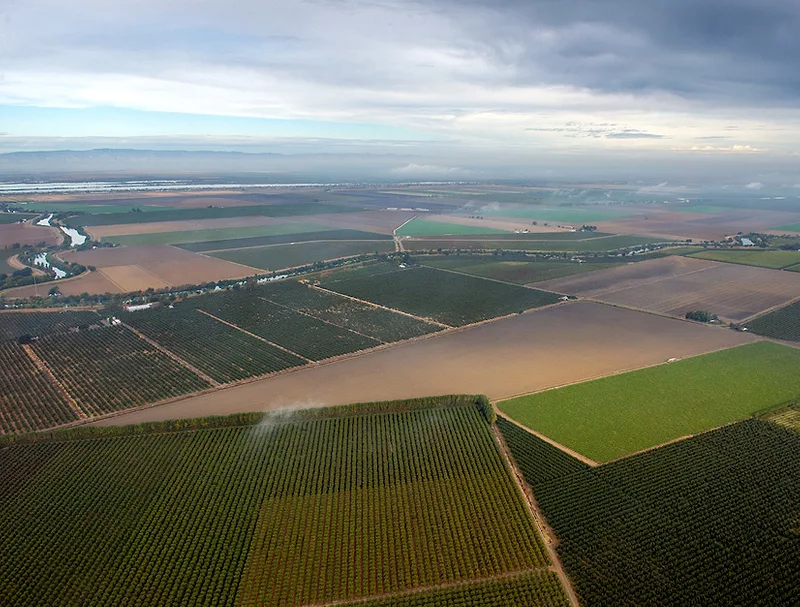
Researchers from multiple U.S. Geological Survey mission areas and centers found that fungicides, herbicides and insecticides are testing at consistent levels across five Sacramento Valley wildlife refuges.
Results from the sampling across the Sacramento, Colusa, Sutter, Rio Vista and Llano Seco National Wildlife Refuges indicated that distance between local farms and the sample site mattered less than the type of crop being grown nearby.
Using silicone bands to absorb airborne chemicals over the course of four weeks, results showed that every testing site had some trace of pesticides. Herbicides used only for rice pest management were particularly spread out, even those up to 15 kilometers from the nearest field.
Cut through the clutter! We deliver the news you need to stay informed about farm, food and rural issues. Sign up for a FREE month of Agri-Pulse here.
The researchers reasoned that since crops such as rice get sprayed overhead, they tend to get the most pesticide drift.
The 10,819-acre Sacramento National Wildlife Refuge supports tule elk, vernal pool fairy shrimp, giant garter snakes and migratory waterfowl like snow geese. USGS plans to use the study to focus on how pollinators can be affected by plants that accumulate pesticides.
For more news, go to Agri-Pulse.com.

