
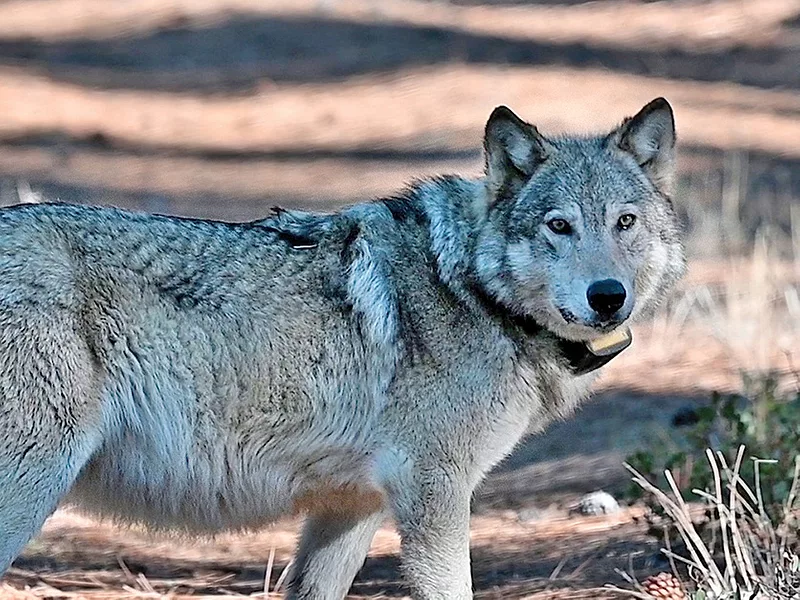
California lawmakers last week approved $2 million in new funding for the California Department of Fish and Wildlife’s Wolf-Livestock Compensation Program, reviving a key reimbursement fund that had run dry earlier this year. The appropriation was included in the latest budget trailer bill signed by Governor Gavin Newsom as part of the state’s 2025-2026 spending plan.
The program provides financial relief to ranchers who lose cattle or other livestock due to confirmed or probable wolf attacks and also supports nonlethal deterrents and stress-related impacts from wolf presence. It was originally launched in 2021 with a $3 million allocation and received a smaller $600,000 boost in 2024. Livestock and farming groups had been lobbying the Legislature for months to replenish the fund, warning that wolf depredations are increasing as new packs expand their range in Northern California.
 CDFW Dir. Chuck Bonham (photo: CDFW)
According to a new CDFW report, officials confirmed wolves killed at least 47 cattle in 41 separate incidents through the first five months of 2025. That figure is nearing the total number of confirmed wolf depredations for all of 2024, when 60 livestock losses were documented. The department noted the uptick as part of a broader trend tied to expanding wolf activity in Northern California.
Interested in more news on farm programs, trade and rural issues? Sign up for a four-week free trial to Agri-Pulse. You’ll receive our content - absolutely free - during the trial period.
The California Cattlemen’s Association and the California Farm Bureau praised the funding decision as a critical step forward, calling it an important outcome of the state budget process and a necessary support for ranchers facing mounting losses from wolf activity.
The state’s wolf population has grown steadily since the return of OR-7 in 2011. In 2025 alone, the CDFW confirmed three new packs: the Ashpan Pack in Shasta County, the Ishi Pack in Tehama County and the Tunnison Pack in Lassen County. Verified wolf attacks have spiked in recent months, prompting local emergency declarations and renewed pressure from ranchers.
As the conflict intensifies, CDFW announced in June the formation of a new pilot task force aimed at reducing wolf-livestock conflicts. The initiative will bring together landowners, livestock producers, local officials, tribal representatives and wolf advocates to identify proactive management strategies, with an initial focus on the Big Valley area of Lassen and Modoc counties. CDFW said the pilot effort is designed to complement existing compensation and deterrent programs by improving communication and rapid response. It is expected to begin field operations this summer.
“Today’s announcement showcases the power of collaboration in effectively and safely managing California’s growing gray wolf population,” said CDFW Director Chuck Bonham in a statement. “We are doing everything we can to keep both livestock and wolves safe.”
The new funding will be distributed through the existing compensation framework administered by CDFW. The department is expected to reopen the application process for eligible producers in the coming weeks. Ranchers who experience confirmed or probable wolf attacks will be able to submit claims for reimbursement based on updated damage assessments and agency protocols.
For more news, go to Agri-Pulse.com.

