

California’s workplace safety regulator has rejected a petition for an emergency temporary standard to protect dairy workers from avian influenza, but signaled an openness to potentially costly mandates like exclusion pay. Industry leaders applauded the rejection, arguing that swift, sweeping regulations would compound the challenges already facing dairies at a difficult time.
The Cal/OSHA Health and Safety Standards Board unanimously adopted the staff recommendation to deny the petition from Valley Voices, a labor advocacy group founded in 2019. Instead, the board elected to assemble an advisory committee to examine the state’s existing transmissible disease standard and the situation with dairies and other animal facilities.
The decision reflects a balancing act between farmworker advocates, who argued urgent action is needed, and industry associations, which said existing laws, ongoing quarantines and testing adequately protect herds and workers.
Industry backs slow approach
The state’s major agricultural organizations lined up behind the board’s decision to reject an emergency rule.
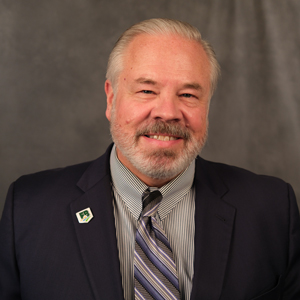 Bryan Little (CAFB photo)
With COVID-19, for example, employers could isolate workers or require personal protective equipment, though the board had approved exclusion pay for a time early in the pandemic.
“We felt at the time,” said Little, “that we were just grappling for solutions, trying to figure out what the right thing was to do, without really knowing what the right thing was to do.”
With the H5N1 outbreak, by contrast, “it's clear that we're on the downhill side.”
While the advisory committee would include industry and labor stakeholders, Little called for also pulling in experts from the California Department of Food and Agriculture, the California Department of Public Health and other scientific experts.
Western United Dairies CEO Anja Raudabaugh echoed the point, while thanking board members for “taking this issue so seriously.”
“We recognize that we're a bit of an enigma to you,” said Raudabaugh, sharing her appreciation for the board and staff’s efforts to better understand the dairy industry.
Cut through the clutter! We deliver the news you need to stay informed about farm, food and rural issues. Sign up for a FREE month of Agri-Pulse here.
She hopes the advisory committee could “balance the science out” and help dairies “do an even better job protecting workers if another zoonotic threat presents itself.” Raudabaugh also pointed out that the CDFA numbers alone can be deceiving, since a more robust testing program has led to more dairies coming under quarantine.
The dairy industry has been grappling with a year of quarantines, heightened biosecurity and milk losses since avian influenza was first detected in herds in August last year. CDFA data shows more than 700 California dairies have been infected at some point, with 43 new cases on previously cleared herds in August, prompting renewed quarantines. Producers have shouldered the costs of testing, protective equipment and labor disruptions — and have warned that additional state mandates without funding would exacerbate financial pressures.
What the petition sought
The Valley Voices proposal called for mandatory exclusion of infected or exposed workers, employer-funded exclusion pay during quarantine, expanded paid sick leave, and new reporting obligations to state health and safety agencies.
Jorge Luna Monterey, Valley Voices worker rights program director, raised alarms that California accounts for nearly three-quarters of the nation’s infections in dairy cows and echoed the USDA’s stance that the H5N1 outbreak has been the largest and longest animal disease emergency in U.S. history. Monterey criticized federal and state surveillance as “largely reactive,” claiming testing has dropped sharply, and pointed to Texas A&M research showing 7% of dairy workers tested had antibodies for H5N1, indicating unreported exposure. He also blasted the Trump administration’s funding cutback for developing a bird flu vaccine as well as for laying off veterinarians overseeing the FDA response and for less reporting from the Centers for Disease Control.
Valley Voices urged the board to adopt exclusion pay and reporting requirements similar to the early COVID-19 rules, warning that “workers should not bear the consequences of system failures we saw during the pandemic.” Other labor advocates shared claims of weak PPE standards, minimal training and undocumented workers afraid to seek testing.
Acknowledging the concerns, Cal/OSHA safety engineering staff emphasized the existing disease standard does not guarantee paid leave and agreed that excluding infected or exposed workers “is a rational policy” but found no substantial evidence to warrant an emergency regulation. Staff recommended the regular rulemaking path, rather than an emergency measure, due to the low risk to humans and the state’s active surveillance program.
They also pointed to CDFA data showing 630 of 766 dairies had been released from quarantine, with no active poultry outbreaks in the state and only mild human cases in California.
After weighing the petition, along with months of public comments and presentations to the board, the agency found little to improve on when it comes to the state’s response, particularly for an outbreak that has not impacted workers in the same manner as COVID-19 once did.
“I recognize this is a disease that is causing people a great amount of discomfort,” said board Chair Joseph Alioto. “It's does not appear to be a disease that results in fatalities, at least it hasn't in California.”
Correction: A previous version of this article described Bryan Little as urging the board to not support extra paid sick leave. Rather, he was supporting the board's decision to not include extra paid sick leave in the scope of the advisory committee.
For more news, go to Agri-Pulse.com.

