
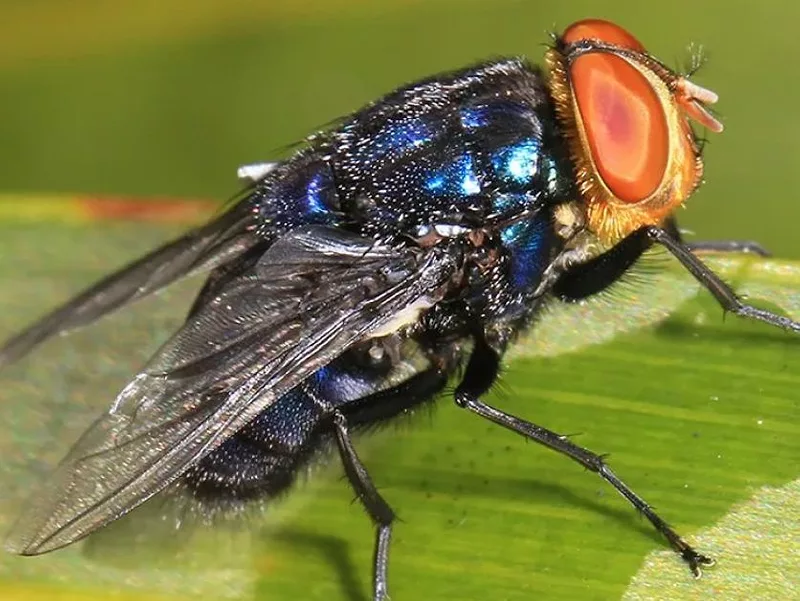
The California Department of Food and Agriculture is ramping up efforts to shield the state’s livestock, wildlife and animal industries from New World screwworm, following outbreaks in Central America and southern Mexico and a recent travel-connected human case.
Though no evidence suggests the fly has established itself in the U.S. or infested livestock stateside, the northward spread of the fly’s range has alarmed animal health authorities. The disease, known for larvae that feed on live flesh through open wounds or body orifices, causes painful infestations and can lead to severe damage, secondary infections, or even death if left untreated.
CDFA has adopted a “One Team” approach involving close coordination with USDA, the California Department of Public Health, the California Department of Fish and Wildlife, CalEPA and the Governor’s Office of Emergency Services. The agencies have been working together for months to develop protocols for detection, prevention and response, according to CDFA.
Cut through the clutter! We deliver the news you need to stay informed about farm, food and rural issues. Sign up for a FREE month of Agri-Pulse here.
The preventive measures include surveillance and diagnostics, with CDFA urging veterinarians, livestock owners, hobbyists and animal health practitioners to report any suspected screwworm cases within 24 hours to state or federal animal health officials. The department has facilitated emergency-response planning exercises with partners to clarify roles should the pest arrive. CDFA is also preparing response protocols for tools such as fly traps, insecticides, sterile fly release, methods for disposing of carcasses, and infected material safely and movement controls for animals.
CDFA stresses public vigilance. Producers and animal caretakers are encouraged to inspect wounds on animals regularly, report any enlarging or draining wounds, and adhere to hygiene and wound-management best practices.
As of now, CDFA reports no cases of screwworm in California livestock or wildlife. But with increasing detections further south, state officials believe early warning and preparedness are essential to prevent a costly outbreak.
For more news, go to Agri-Pulse.com.

