
California lawmakers closed the 2025 session with a slate of bills targeting technology, privacy and labor enforcement that could significantly reshape how agricultural employers manage workers.
Measures on artificial intelligence, surveillance, wage claims, union communications and demographic reporting all advanced through committee hearings marked by intense debate between business groups and labor advocates.
From robo bosses to rest breaks
Senate Bill 7, by Senator Jerry McNerney, D-Pleasanton, the No Robo Bosses Act, emerged as a centerpiece of the Legislature’s response to automation in the workplace. The bill would require human oversight when automated decision systems — including scheduling, discipline or termination algorithms — make employment decisions. It would also mandate that employers notify workers when such systems are in use.
“No human should ever be hired, fired or promoted by an algorithm,” said McNerney, during Senate floor debate on the bill. “There always has to be a human in the loop.”
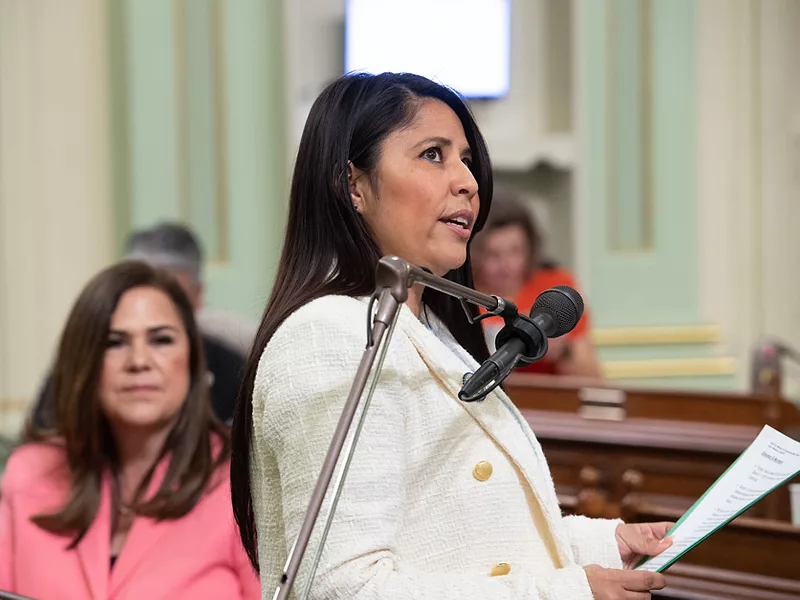
 Asm. Sade Elhawary, D-South Los Angeles (office photo)
Sponsoring the bill, the powerful California Federation of Labor Unions targeted Amazon and other large employers grappling with unionization drives and warned that the technology is not immune to human biases.
The California Chamber of Commerce and other business associations worried the legislation could saddle employers with significant new costs. The California Association of Winegrape Growers, the California Grocers Association and Rural County Representatives of California were among the dozens of groups opposing SB 7.
Labor committees also sparred over another measure backed by the labor federation, Assembly Bill 1331, by Assemblymember Sade Elhawary, D-South Los Angeles. The workplace surveillance bill would restrict employers from monitoring employees in restrooms, locker rooms and break rooms. It also allows workers to leave tracking devices behind during breaks and off-duty hours.
“This kind of monitoring isn't neutral,” argued Elhawary, during committee debate. “It increases stress, reduces job satisfaction and strips workers of their basic dignity.”
CalChamber led a business coalition against the bill, warning it would functionally prohibit the use of surveillance in every workplace. Groups like the Agricultural Council of California, Dairy Institute of California and Wine Institute joined the opposition, citing the need to maintain cameras for food safety, theft prevention and worker security.
Cut through the clutter! We deliver the news you need to stay informed about farm, food and rural issues. Sign up for a FREE month of Agri-Pulse here.
A related labor federation bill authored by Asm. Ash Kalra, D-San Jose, would extend attorney-client privilege to confidential communications between union representatives and employees. According to Kalra, AB 1109 “seeks to encourage open and honest communication between a representative employee and their union agent and help the union to best protect their workers.”
But employer groups and county associations called it a one-sided standard that could obstruct internal investigations. The California Farm Bureau was among the opponents.
Wage claim reforms and expanded pay data reporting
Another labor federation flashpoint came with AB 1234 by Asm. Liz Ortega, D-San Leandro, which would overhaul procedures for wage claims handled by the state labor commissioner. It would speed up investigations and hearings and add an administrative fee of up to 30% of the award on employers, regardless of whether the company acted in good faith.
Ortega wants to curb wage theft and ensure timely justice for workers, arguing “no one should have to fight to get paid.” To ease employer concerns, she added amendments making the fee discretionary.
But CalChamber, along with the Western Growers Association and other food and farm groups, remain opposed, pushing for further changes to ease the penalty and avoid shaming companies.
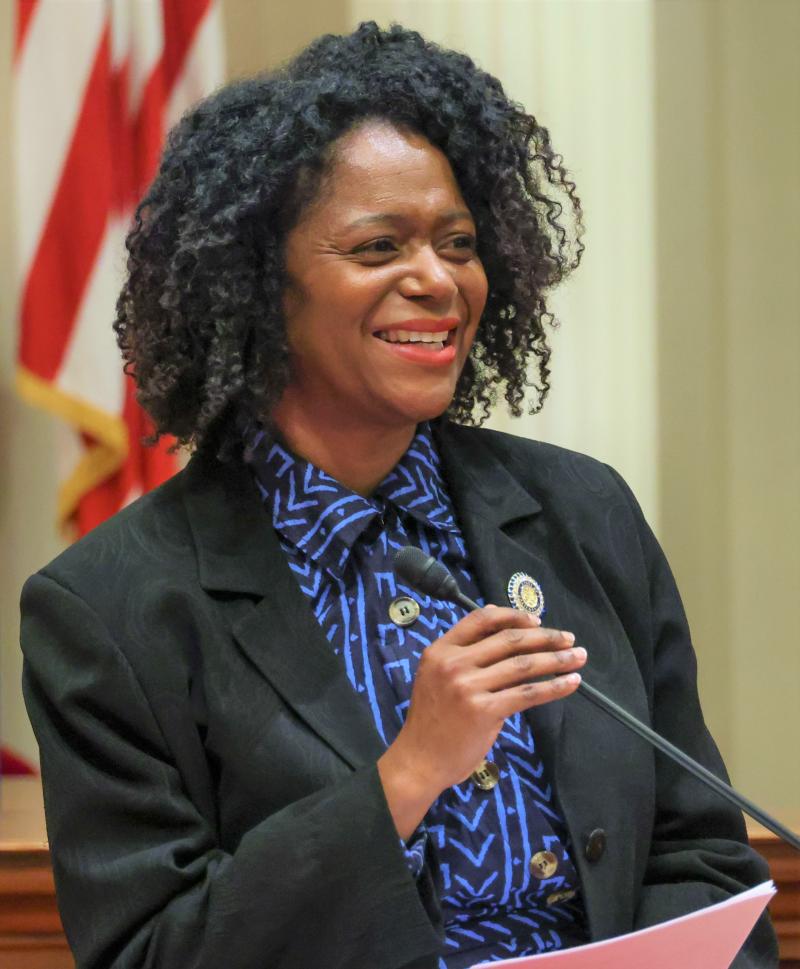 Sen. Lola Smallwood-Cuevas (office photo)
Meanwhile, SB 464 by Sen. Lola Smallwood-Cuevas, D-Los Angeles, would expand California’s pay-data reporting law to require more detailed demographic information, increasing job categories from 10 to 23 and adding farming, fishing and forestry occupations. The bill would make penalties for noncompliance mandatory once the California Civil Rights Department seeks enforcement. Smallwood-Cuevas claimed the measure would close persistent pay gaps and improve transparency across industries.
For farm and food processors with more than 100 workers, the expansion could demand new data collection systems and coordination with labor contractors. Construction trade associations warned that the additional reporting categories would add complexity and cost for operations already struggling to meet existing pay-data deadlines. Amendments to ease fears of litigation led to several farm groups dropping their opposition.
The coming compliance landscape and debates ahead
Business advocates were successful in stalling some of the measures so far. The Senate Appropriations Committee blocked AB 1109 on communication between unions and workers. Both AB 1331 on workplace surveillance and AB 1234 on wage claim disputes failed to gather enough votes to move out of the Senate in the last days of session.
Yet those bills could return in January, when the Legislature convenes to kick off the second half of a two-year session and takes up measures that languished this year.
Lawmakers passed SB 7 on AI in the workplace and SB 464 on employee data, and the bills are sitting on the governor’s desk. He has until Sunday to sign them.

