
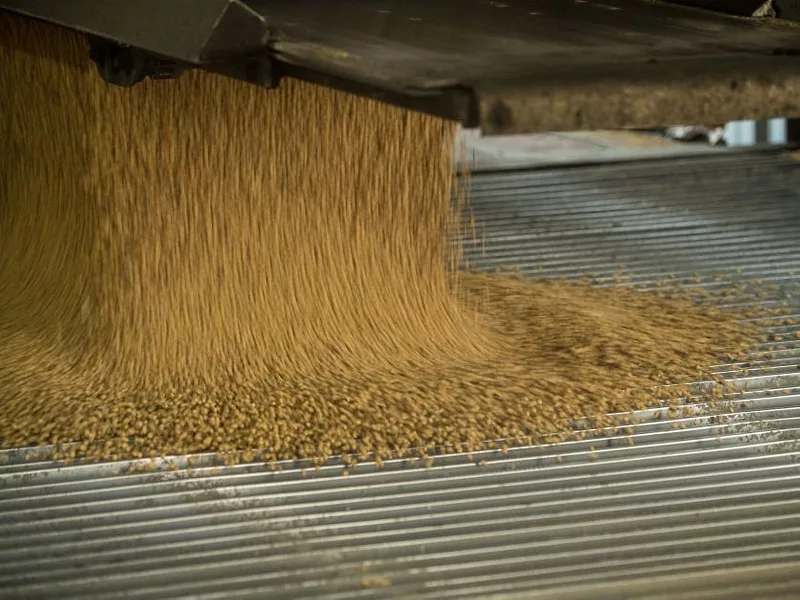
China’s COFCO has purchased three cargoes of soybeans from the U.S. ahead of an expected meeting between President Donald Trump and Chinese President Xi Jinping in South Korea on Thursday, according to Reuters.
“There’s significant disappointment," said Arlan Suderman, chief commodities economist for StoneX Group. The thought is "'yeah, we sold three cargoes to China, but goodwill gesture purchases in the past have been more in the neighborhood of 10 to 15 cargoes."
China, the world's top market for agriculture imports and historically the biggest buyer of U.S. soybeans, has been snubbing American farmers in favor of Brazil, the largest grower and shipper of the oilseed used in everything from cooking oil to renewable diesel. The Chinese government likely is hearing complaints from its own ag companies that are paying around $1 or more a bushel premium for the South American beans versus what is available in the U.S., according to John Baize, an independent agriculture trade analyst based outside of Washington.
"I’m sure they are getting pressure from within from crushers who are saying ‘dammit we don’t want to pay that extra premium for beans that we don’t like that much,'" said Baize.
Along with U.S. soybeans generally being drier than their Brazilian rivals, they also get to China faster and at a lower flat rate from the Pacific Northwest, according to Baize.
“China doesn’t want to disconnect from the U.S. as a trading partner because it’s just too big of a market for them,” Baize said. “Both countries have their boisterous sides, but the reality is they need to deal with each other."
Cut through the clutter! We deliver the news you need to stay informed about farm, food and rural issues. Sign up for a FREE month of Agri-Pulse here.
“On one hand, that’s a big drop from where we’ve been in the past,” he said. “On the other hand, it’s probably more than we were going to sell them without an agreement and it helps bridge the gap until the U.S. biofuel program infrastructure gets built up.”
'Horrible' prices
In North Dakota, traditionally known for spring wheat and sunflowers, more soybeans have been planted over the years on expectations of a future surge in U.S. demand for oilseed crops that can be used to make fuels like renewable diesel and sustainable aviation fuel.
But recently, with China having been out of the market amid robust domestic supplies, cash prices for soybeans in the region have been “horrible," with basis about $1.30 below futures, said Tom Bernhardt, who grows soybeans, corn, wheat, sunflower and other crops in south central North Dakota.
On Tuesday, he sold his first batch of this year's freshly harvested soybeans to take advantage of the futures rally, with hopes that basis will narrow to at least 20 cents by March.
Like other growers struggling with demand woes and lower crop prices, Bernhardt is also contending with high farming costs, especially for fertilizer and labor.
In a sign of a tough U.S. ag economy, he's putting off buying fertilizer needed for corn and other crops in hopes prices come down before next season’s plantings.
"I’m delaying purchases absolutely,” Bernhardt said. “I typically have most of my nitrogen needs purchased by now but haven’t done a thing and it doesn’t look like near term anything will bring them down.”
.webp?t=1762183428)
