

The Trump administration is imposing a new restriction on the $42.45 billion Broadband Equity, Access and Deployment program, the massive Biden-era initiative to fill the nation's gaps in high-speed internet coverage. Broadband providers that accept BEAD funding will have to commit to not taking any future federal subsidies.
National Telecommunications and Information Administration Administrator Arielle Roth says the agency is planning to make states require that providers who participate in BEAD certify in writing that they will not require or take additional federal subsidies. Those who do not will not get an award, Roth recently announced in a speech at the Hudson Institute.
The scope of federal programs that would fall under the prohibition is still unclear, though Roth said it would include "operational subsidies." Capital programs like BEAD fund the construction of broadband infrastructure, while operational programs — like some under the Federal Communications Commission's Universal Service Fund — help subsidized continued operation of networks or additional services, according to Oklahoma State University economist Brian Whitacre.
"BEAD was designed to close broadband gaps once and for all, not create another cycle of dependency," Roth said in her Hudson Institute speech. "Congress envisioned 'future-proof' networks that would stand on their own, not require permanent federal subsidies or future bailouts. That vision is still achievable, but only if we hold the line now."
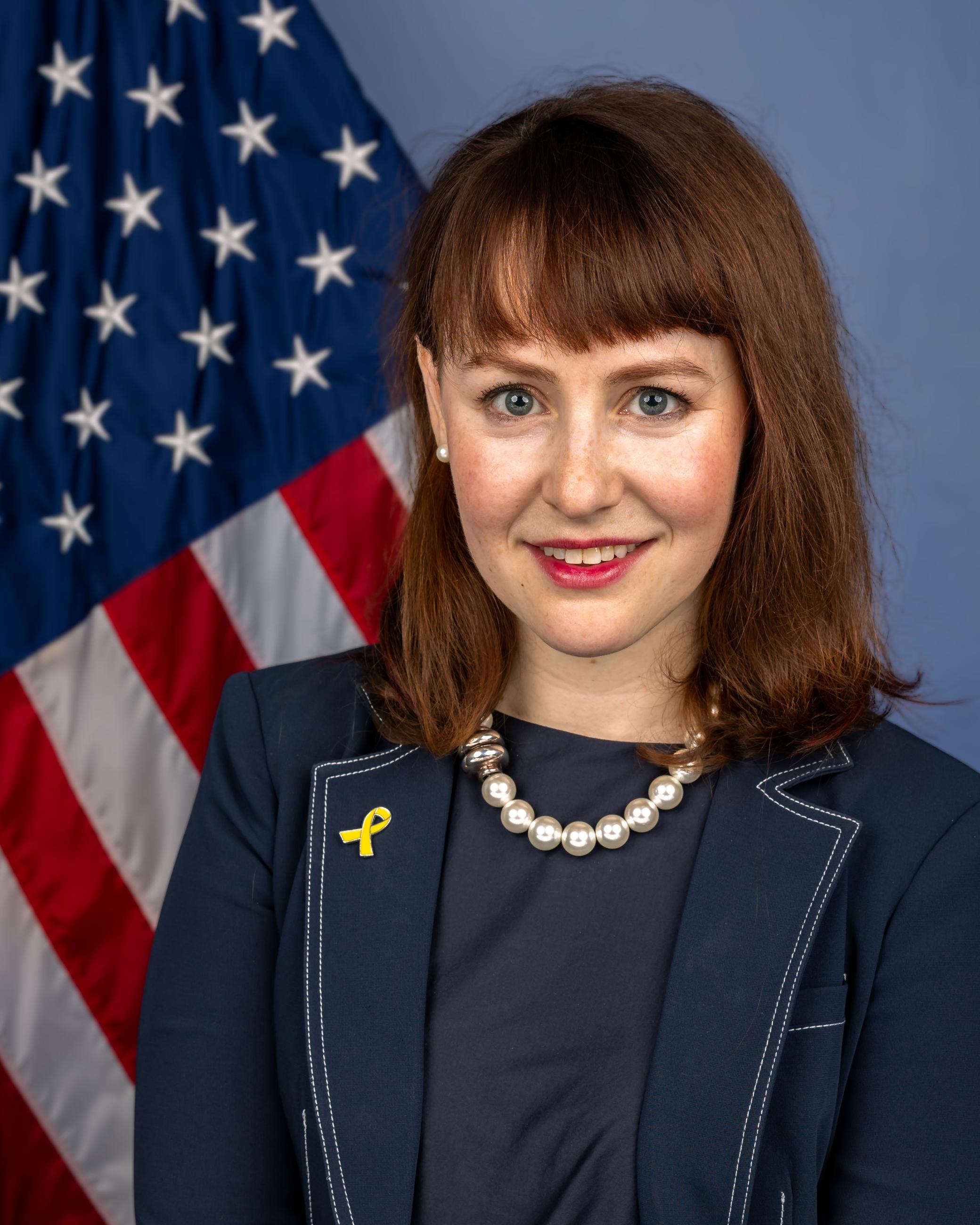 Arielle Roth (NTIA photo)Roth later clarified during a panel on Tuesday at a policy summit hosted by NTCA-The Rural Broadband Association that it would only affect "speculative, hypothetical future funding that has not already been committed," not existing funding. She also indicated the requirements would apply only to areas where BEAD was being deployed.
 "What we're really focused on is those situations where a provider is banking on, counting on, federal support," Roth said at the policy summit.
In line with Roth's remarks, an NTIA spokesperson also separately clarified to Agri-Pulse that the BEAD requirement would not effect existing subsidies "to which a provider is already entitled."
When speaking with Roth onstage at the summit, NTCA executive vice president Mike Romano noted that many of the organization's members receive Universal Service Fund funding overseen by the Federal Communications Commission in some of the areas they serve, "and, in some of those areas, they might also apply for BEAD funding where permitted, because of the way the USF and BEAD rules interact."
Curtis Dean, executive director for the Community Broadband Action Network, told Agri-Pulse that uncertainty around the new rules and their scope has some providers nervous. But he doesn't expect to see a large number of providers drop out of the program, if NTIA indeed does not plan to require states to give up existing subsidies.
Still, Dean believes the requirement along with other changes the Trump administration made to the program earlier this year, have all "watered down the original intent of BEAD and will make it harder to close" the broadband divide. He said rural areas are generally the most expensive places to build to, which has made subsidies one factor leading providers to expand to them.
It’s easy to be “in the know” about what’s happening in Washington, D.C. Sign up for a FREE month of Agri-Pulse news! Simply click here
"I look at it this way — if somebody could have served those folks and made money off of it, they'd have fiber already.... But no one's been able to make that equation until a subsidization is provided," he said.
Dean isn't quite sure whether the Enhanced Alternative Connect America Cost Model program, an FCC broadband program focused on improving broadband speeds, will be included in the restriction. He also has questions about whether the term "operational subsidy" would include programs like Lifeline, which provides a monthly discount on phone and internet services for low-income households, or E-rate, which helps offset broadband costs for schools or libraries. While some may consider them operational subsidies, the affected parties in the end aren't necessarily providers, he said.
"They're going to have to be really clear with that," Dean said. "If there's too much uncertainty, some operators right on the border will just say, 'No, it's not worth taking a chance.'"
Stephanie Weiner, a tech and society fellow at Georgetown Law and former chief counsel at NTIA, told Agri-Pulse the impact of the certification will largely depend on how it is written into the terms and conditions of states' agreements with broadband providers. As a result of the new requirement, providers will need to assess their initial applications and may need to amend or withdraw them, if they are unable to make the commitment, she said.
"You can't make that certification unless you're going to hold yourself to it," she said. "So it increases the stakes."
Blair Levin, a policy analyst at New Street Research who served as chief of staff to then-FCC Chairman Reed Hundt during the Clinton administration, said it is "very odd" for such a requirement to come this late into the BEAD process. According to an NTIA tracker, 18 of 56 states have had their final proposals approved, while 53 have submitted their final proposals for review.
"If you were going to say this, the time to say this would have been before the second round of bidding, so that people knew all the facts ahead of time to determine what their bid should be," he told Agri-Pulse.
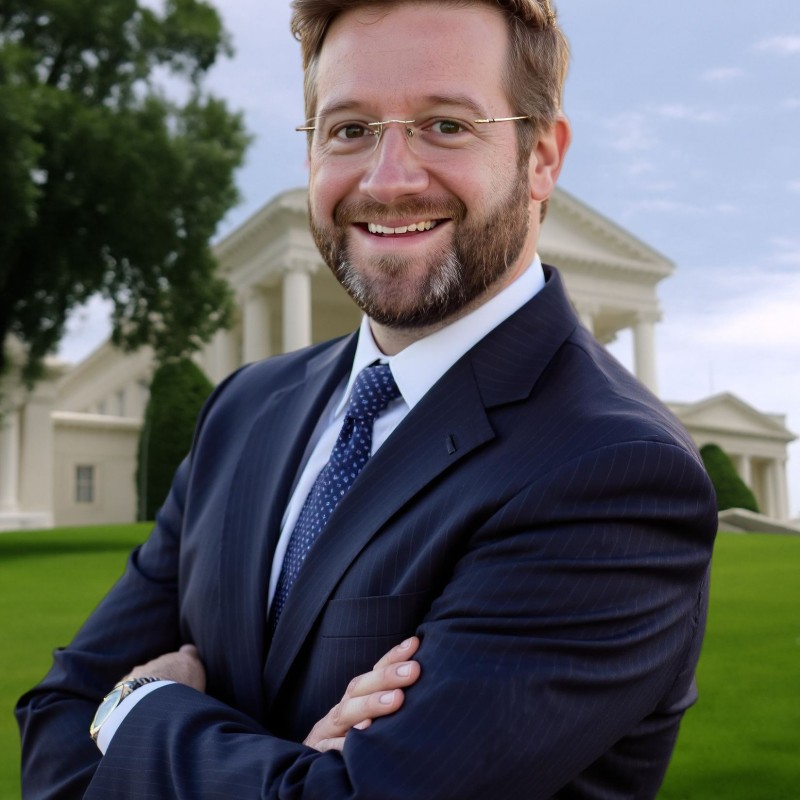 Evan Feinman (LinkedIn photo)Evan Feinman, a former BEAD program director at NTIA, agreed that such a late change could impact timing of the rollout.
"Operationally, it is very, very late in the game," he said. "There are tens of billions of dollars worth of projects that were bid upon by non-governmental actors in the belief that the rules would not change again, and if this reflects a last-second rules change, that's going to really hinder the program's ability to deliver what it said it was going to deliver."
Feinman said he has seen Roth's Hudson Institute remarks but not formal guidance. He said "everybody agrees that providers shouldn't double dip, that you shouldn't get paid twice to do the same thing at the same time."
However, he added that "we have a long history in this country of recognizing that if we're going to maintain universal telecommunication service ... some subsidization of more remote locations' operational expenses is necessary to make that work."
"That's why the Universal Service Fund was established, and it's why the Universal Service Fund continues to exist," he said.
At the NTCA policy summit, Romano noted that Congress is looking into potential changes for the Universal Service Fund and asked Roth if policy changes made as a result could "override" the new BEAD condition.
In response, Roth said "it would really depend on timing," because NTIA is focused on a 10-year federal interest period for BEAD and BEAD-funded networks." She added that she "will always respect the law as passed by Congress."
Kim Chipman contributed to this report.

