
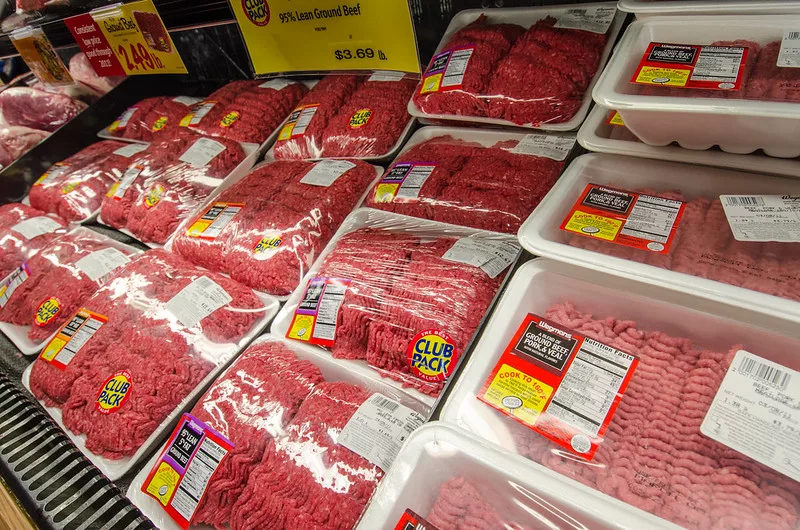
Citing the high cost of ground beef, the Trump administration is temporarily increasing a tariff-rate quota for beef by 80,000 metric tons and allocating all of it to Argentina to import lean beef trimmings into the U.S.
The release of the EO comes the day after the U.S. and Argentina announced a trade deal that allows the U.S. to export 80,000 mt of beef to Argentina duty-free.
In an executive order signed Friday, President Donald Trump says the presence of New World screwworm and the historically small U.S. cattle herd have contributed to record-high prices for ground beef.
“Since January 2021, ground beef prices have continued to rise, reaching an average of $6.69 per pound in December 2025,” the executive order says. According to the Bureau of Labor Statistics, that’s the highest “since the Department of Labor started tracking beef prices in the 1980s.”
The 80,000 mt TRQ will be “administered on a first-come, first-served basis in four quarterly tranches,” the EO says. The first tranche of 20,000 mt will open on Feb. 13 and close on March 31. Additional tranches will be open from April 1-June 30, July 1-Sept. 30, and Oct. 1-Dec. 30.
Beef prices have been increasing steadily over the past year. The latest Consumer Price Index shows the price of beef and veal rose 16.4% from December 2024 to December 2025. Uncooked ground beef was up 15.5%.
“Despite the increased prices and the availability of more affordable protein alternatives, United States consumers’ demand for beef remains strong. The United States imported a record high amount of beef in 2024, reaching 4.64 billion pounds, a more than 24 percent increase in beef imports since 2023,” the executive order says.
“As President of the United States, I have a responsibility to ensure that hard-working Americans can afford to feed themselves and their families,” Trump says in the order.
The announcement came the day after Health and Human Services Secretary Robert F. Kennedy Jr. told members of the beef industry at CattleCon, "No one in the administration wants to import beef."
Argentina already receives a 20,000 mt duty-free quota for beef exports, and exported around 30,000 tons to the U.S. in 2024.
Initial reaction from Congress was negative. Sen. Deb Fischer, R-Neb., said in a brief statement, "Nebraska produces the world's best beef. Instead of imports that sideline American ranchers, we should be focused on solutions that cut red tape, lower production costs, and support growing our cattle herd.”
Rep. Adrian Smith, R-Neb., who chairs the Ways and Means Trade Subcommittee, said that while U.S. cattle herds are at historic lows, policies should prioritize strengthening the market and "create long-term certainty for the entire supply chain."
"Now more than ever, we must deliver policies which drive confidence in the market, eliminate burdensome regulations, and lower production costs."
For more news, go to www.Agri-Pulse.com

