
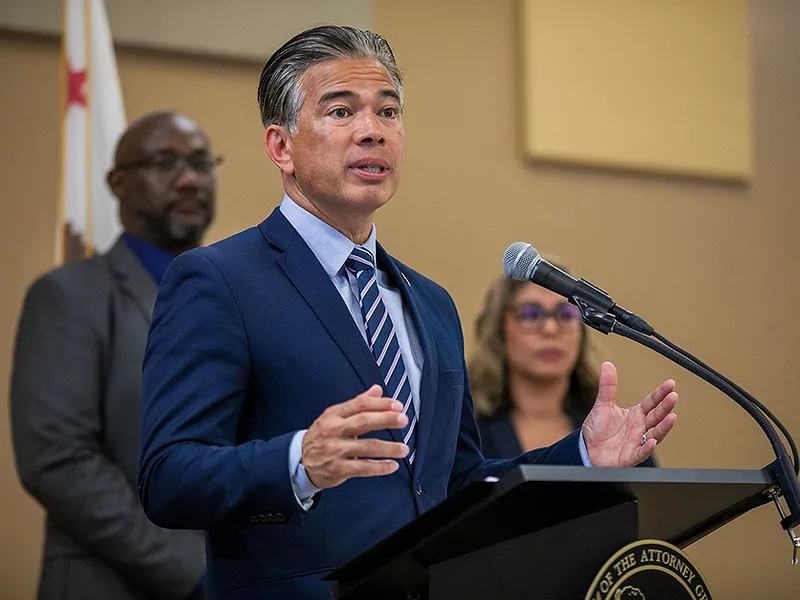
California Attorney General Rob Bonta is blasting a Trump administration proposal to overhaul Clean Water Act section 401 regulations, warning the plan would “unlawfully strip states of authority” to protect their waters and invite more pollution.
EPA’s proposed rule updating water quality certification regulations would undermine the cooperative federalism framework at the heart of the act and curb states’ long-standing power to review federally permitted projects, according to Bonta.
The proposal would revise regulations governing section 401 certifications, which require applicants for federal licenses or permits — such as pipelines, hydropower dams and dredge-and-fill permits — to obtain state certification that a project will comply with state water quality standards. Without certification or a waiver, the federal permit cannot proceed.
In a 54-page comment letter joined by 17 other state attorneys general and the District of Columbia, Bonta argued that Congress “plainly intended the states to retain” that authority. The letter contends the rule would narrow the scope of state review, limit states’ ability to define what constitutes a complete certification request, and constrain timelines for state decisions.
The multistate coalition says section 401 was designed as a backstop to ensure that federal agencies do not issue permits that would violate state water quality laws.
Section 401 certifications have been flashpoints in recent years, particularly for energy infrastructure projects. In 2020 EPA under the first Trump administration finalized a rule narrowing state authority. That rule was later vacated by a federal district court and replaced in 2023 with a rule restoring broader state review.
The new proposal would once again tighten limits on state authority, including by revising how the “reasonable period of time” — capped at one year under statute — is defined and by restricting states’ ability to request additional information before the review clock begins.
Bonta said California and its partners would continue to defend their authority to safeguard water quality. “States must retain the ability to ensure that federally permitted projects comply with state water quality standards,” he said, calling on EPA to withdraw the proposal.

