
A potential case of New World screwworm has been found in South Texas but still needs to be confirmed through testing, according to the Agriculture Department.
In an X post Wednesday, USDA announced a sample is being tested at the agency's National Veterinary Services Laboratories in Ames, Iowa. A Reuters report, citing Texas Representative Don McLaughlin, says the samples were taken Tuesday from two calves in La Pryor.
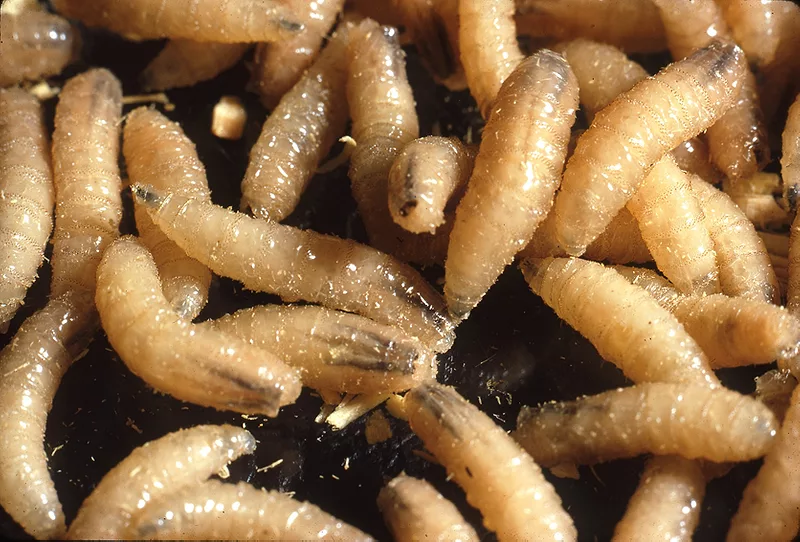
Larvae of the New World screwworm, a parasitic fly, burrow into the flesh of livestock using sharp mouth hooks. While the pest used to be a nuisance to U.S. herds, animal health officials and veterinarians by 1966 had successfully eradicated it within the nation's borders by releasing sterile flies that mated with wild ones.
However, it never disappeared from Latin America, and in recent years, has been pushing steadily northward through Central America and Mexico. Earlier this week, USDA confirmed a case just 25 miles from the U.S.-Mexico border in the Mexican state of Coahuila.
Cut through the clutter! We deliver the news you need to stay informed about farm, food and rural issues. Sign up for a FREE month of Agri-Pulse here.
USDA last year suspended live cattle, horse and bison imports from Mexico over concerns about the fly's northward spread.
Texas Ag Commissioner Sid Miller did not seem surprised by the report.
"If they don't do anything different, there's nothing to stop it," he said. "I mean, we know that the flies just don't work. We don't have enough of them. They might work if we had enough, but it's going to be three years before we have enough, so we're in for at least three years of this."
Miller has been advocating for use of insecticide-laced fly baits to control the pests.
He said the Texas Department of Agriculture has increased its distribution of traps to capture flies.
"We're doubling the number of traps we're putting out," he said. "We're checking the traps twice as often. We're alerting everybody through our social media and newsletters [to] be on the lookout."
USDA did not respond to specific questions about the situation. Miller said he did not know long it would take for the testing to conclude.
Editor's note: This is a developing story will be updated as more information becomes available.
For more news, go to Agri-Pulse.com.


