
Members of President Donald Trump’s cabinet traveled across the country Tuesday to highlight the first two states to officially request waivers from this administration to restrict purchases under the Supplemental Nutrition Assistance Program.
Proponents of these waivers argue they work to make the country healthier and ensure taxpayer dollars are not subsidizing unhealthy foods. But anti-hunger advocates and food industry groups argue it removes choice, could pose challenges for grocers and is unlikely to increase consumption of “healthier” foods due to limited SNAP benefits.
In Arkansas, Agriculture Secretary Brooke Rollins joined Republican Gov. Sarah Huckabee Sanders to announce the state’s waiver application had been mailed to USDA.
The waiver seeks to limit purchases of soda, candy and other beverages from SNAP. Specifically, it would remove soda, low and no-calorie soda, fruit and vegetable drinks with less than half natural juice, unhealthy drinks and candy as eligible foods. Candy extends to confectionery products with flour and artificially sweetened candy.
The official submission of the request kicked off a 30-day comment period in Arkansas.
Rollins encouraged other state leaders to pursue similar opportunities to improve the health of Americans.
She said USDA already has a call scheduled with state officials for Wednesday. "It should move very quickly, and everything we're doing we're trying to move very efficiently, very quickly and move these important changes out to the rest of the country."
“We at USDA are committed to funding health, not illness,” Rollins said. “To satisfying hunger with nutritious food produced and harvested by our incredible farmers and ranchers here in America, but not unhealthy food products that fuel chronic disease.”
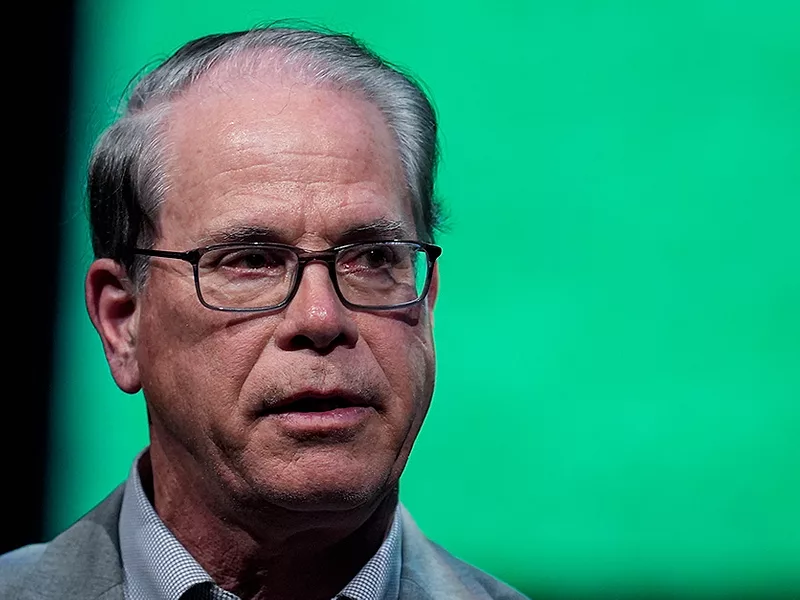
Similarly, Indiana Gov. Mike Braun, a Republican, also signed an executive order Tuesday directing the state Family and Social Services Administration to ask for a waiver to exclude candy and soft drinks from the SNAP eligible foods list. The order also directs state agencies to develop recommendations to the governor on additional items to request waivers for in the future.
Department of Health and Human Services Secretary Robert F. Kennedy Jr. joined Braun in Indiana to celebrate the waiver request, which he said also was sent to USDA on Tuesday.
The Food Industry Association (FMI) said its members support the goal of encouraging customers to purchase nutrient-dense foods through SNAP, but they also recognize the limitations created by the current average $6 per-person-per-day benefit.
“While pilots and waivers may have an important role, it is critical not to create chaos and confusion both in individual stores and through a jumbled mixture of varying state requirements – creating new program inefficiencies, longer grocery store lines and customer frustration,” Leslie Sarasin, president and CEO of FMI, said in a statement.
It’s easy to be “in the know” about agriculture news from coast to coast! Sign up for a FREE month of Agri-Pulse news. Simply click here.
The National Confectioners Association said the state waiver policy approach is “misguided and not needed” when it comes to candy.
“SNAP participants and non-SNAP participants alike understand that chocolate and candy are treats – not meal replacements,” said Christopher Gindlesperger, senior vice president of public affairs and communications at NCA. “Consumers have a unique mindset when they enjoy chocolate and candy that is not present when interacting with other foods – whether or not they are using SNAP benefits for food purchases.”
The waiver requests from Arkansas and Indiana are part of a wave of state action related to the Make America Healthy Again movement. In statehouses across the country, lawmakers have introduced and even passed bills to request similar SNAP waivers.
Other bills currently being considered would also ban ultraprocessed foods and certain food dyes and chemicals from being served in school meals. On Monday, Arizona Democratic Gov. Katie Hobbs signed a bill that bans foods containing certain additives and dyes, including by third-party vendors.
Kennedy and other MAHA supporters have been touring the country to appear alongside lawmakers in states pursuing these measures. Earlier this month, Kennedy stopped in Utah, New Mexico and Arizona to recognize different MAHA legislation introduced in statehouses.
For more news, go to Agri-Pulse.com.

