
Agriculture Secretary Brooke Rollins wrote to her Mexican counterpart on Saturday urging Mexico City to step up its support for efforts to contain New World screwworm or face another suspension to livestock trade.
“We cannot afford to continue operating at partial strength,” a letter from Rollins to Mexican Agriculture Secretary Julio Berdegué Sacristán says. The letter was sent to Mexico’s ambassador to the U.S. with instructions to forward the communication to Berdegué Sacristán.
“We are now at a critical inflection point in our shared campaign against this pest, and I am very concerned about our cooperation,” Rollins wrote.
Rollins complained that aircraft companies USDA and the Animal and Plant Health Inspection Service have contracted to release sterilized flies face unnecessary restrictions. Dynamic Aviation, one of the companies under contract, can only fly six days a week, Rollins said, and only has a 60-day permit for operation.
Further, she said that Mexican tariffs on aircraft parts, equipment and sterile flies are delaying efforts.
“[A]ll materials and operations are being funded entirely by the U.S. Government to support our shared goal of stopping the northward spread of NWS,” Rollins wrote. “We do not understand how our official efforts to stop a common pest can be subject to such burdensome customs duties.”
Accordingly, the U.S. is asking the Mexican government to grant Dynamic Aviation operational clearance for at least a year, but preferably indefinitely. It is also seeking tariff waivers for related aircraft parts, flies and equipment provided by APHIS, and the appointment of a Mexican point of contact to help smooth future obstacles.
“I must inform you that if these issues are not resolved by Wednesday, April 30, USDA will restrict the importation of animal commodities,” the letter reads.
The U.S. blocked cattle and bison imports in November when the parasite was detected in southern Mexico – spurring tighter U.S. cattle supplies and contributing to high cattle and beef prices.
But imports resumed in February under a new protocol whereby animals are inspected for screwworm before and after arrival in the U.S. The animals are also dipped in solution to ensure that they are insect and tick-free, according to a release published at the time.
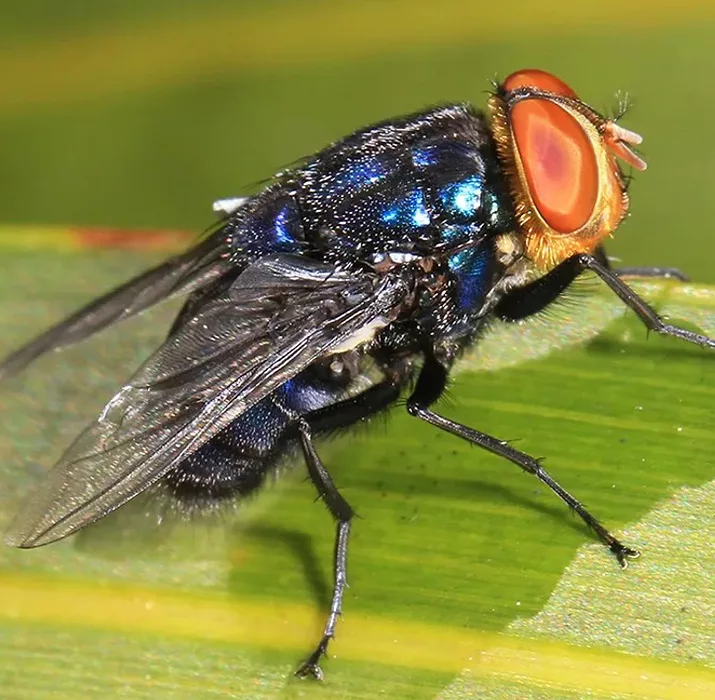
The U.S. and Mexico have been collaborating on an effort to eradicate the parasite by releasing sterile male flies that breed with wild screwworm and reduce populations.
Cut through the clutter! We deliver the news you need to stay informed about farm, food and rural issues. Sign up for a FREE month of Agri-Pulse here.
Buck Wehrbein, president of the National Cattlemen's Beef Association, welcomed Rollins’ effort to spur additional action from the Mexican government. In a statement, Wehrbein warned that a screwworm outbreak in the U.S. could cost ranchers millions of dollars a year in damages.
“Americans have been investing in prevention efforts in Central America for decades, but we can’t stop this without Mexico’s participation,” his statement says.
NCBA Senior Vice President of Government Affairs Ethan Lane said that the industry group has received multiple reports that imports of key equipment from the U.S. have been delayed by paperwork issues and customs fees.
“In light of those reports, NCBA met with the Mexican Embassy earlier this week to deliver the message that the Mexican government needs to be a partner on eradicating screwworm,” Lane said in a statement. “It’s time for Mexican authorities to act and we appreciate Secretary Rollins standing with American and Mexican cattle producers who want to see this pest stopped dead in its tracks.”
The Mexican embassy in Washington and Dynamic Aviation did not immediately respond to Agri-Pulse’s request for comment.

