
In recent comments, Secretary of Agriculture Brooke Rollins dismissed the USDA’s Partnerships for Climate-Smart Commodities as a “green new scam,” claiming it benefited NGOs, not American farmers. As a farmer and executive director of a multi-state project funded through this initiative, I must set the record straight — because these remarks not only mischaracterize the program, they insult the thousands of farmers who are leading its success.
Rollins' comments misrepresent the Partnerships for Climate-Smart Commodities and the farmers they support. Our project was developed with direct input from farmers across the country — including small, beginning, organic, Indigenous, and marginalized producers who USDA programs have historically underserved. I'm honestly beginning to think that Rollins has only one type of person in mind when she refers to "farmers," and I don't think I need to clarify here.
The Partnerships for Climate-Smart Commodities were created with one goal: to empower farmers to adopt practices that make their operations more resilient, more profitable, and more competitive in a rapidly changing marketplace. These are voluntary programs. Farmers choose to participate because the benefits are real and tangible: healthier soils, stronger yields, new markets willing to pay premiums for products produced on climate-smart farms.
Far from sidelining farmers, this program empowers farmers to lead in developing climate solutions while growing their businesses. Attacking these farmers and their work under the false flag of political ideology does a disservice to the American agricultural community as a whole.
Importantly, these programs center the voices of farmers who have too often been excluded from USDA services. In fact, a significant share of the funding was reserved specifically to build opportunity for underserved producers, helping them scale their businesses and access new value chains.
Rollins suggests that NGOs are the primary beneficiaries here. This is a misunderstanding of how modern agriculture works. Nonprofits, cooperatives, and universities act as partners — not as profiteers — helping farmers access resources, technical assistance, and markets.
Mind you, often in response to the lack of access to technical support through USDA's NRCS program (and the current staff cuts haven't helped). Many farmer-led organizations have been key players, ensuring that climate-smart projects were not top-down mandates but real-world solutions built from the ground up.
Cut through the clutter! We deliver the news you need to stay informed about farm, food and rural issues. Sign up for a FREE month of Agri-Pulse here.
In practical terms, the funding has gone directly to the farmers themselves. Payments support the adoption of cover cropping, rotational grazing, no-till systems, agroforestry, and other practices proven to enhance farm profitability over time. Technical support has ensured that even farmers operating on slim margins can participate fully. And crucially, these investments have already started to open new doors for farmers in high-value markets — both domestically and abroad — that are increasingly demanding sustainably produced goods.
The real tragedy of Rollins’ statement is that it politicizes what should unite us: the future prosperity of American farmers. Climate-smart agriculture isn’t about political ideology. It’s about good business. It's about preparing farms of all sizes to thrive in a world where extreme weather, soil degradation, and shifting market demands are real and present challenges.
The farmers I work with are pragmatic. They want tools that work, markets that pay, and soil that stays on their land instead of washing away with the next heavy rain. That’s what Climate-Smart Commodities delivered, at least until Rollins terminated the program this week. To suggest otherwise undermines their hard work and vision for the future.
Instead of tearing down successful initiatives, we should be building on them — investing in farmer-led solutions that strengthen rural economies, steward our natural resources, and keep American agriculture competitive on the world stage. That is the path to the unprecedented prosperity Secretary Rollins says she seeks. And it’s a path already being built by the farmers she has overlooked.
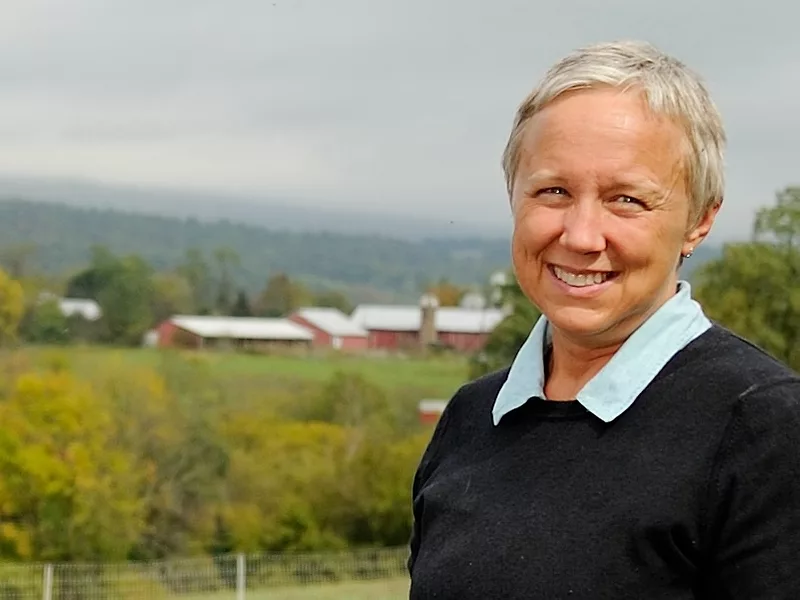
Hannah Smith-Brubaker is a farmer and executive director of Pasa Sustainable Agriculture. She is a former deputy secretary of the Pennsylvania Department of Agriculture.