
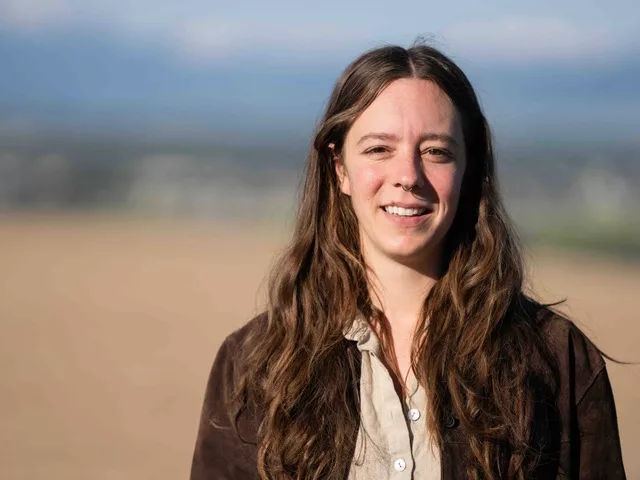
Ca Saw came to the U.S. from Myanmar, by way of Malaysia, in 2015, bringing with him a love of farming. He launched Green Fresh Farm in Kansas City, where he grows lettuce mixes, potatoes, and tomatoes that he sells at the local farmers market.
Saw and other immigrants often lack land and resources needed to pursue a farming career. Kansas City has limited affordable agricultural land, but Saw enrolled in New Roots, a farmer training program and business incubator created by Cultivate KC, a food system nonprofit. Through the program, he was able to launch his farm business using a few small plots of land.
To help other aspiring farmers like Saw access land, Cultivate KC planned to buy a 20-acre parcel this year with funding from the USDA’s Increasing Land, Capital, and Market Access (ILA) Program. After the Trump administration froze funding in January, grant recipients were unable to access the promised money. As a result, Cultivate KC has delayed their plans to purchase this land and is uncertain about the financial viability of future land purchases. This funding freeze is devastating farmers, their businesses, and their communities.
The federal government has an obligation and duty to honor contracts it has signed. I’ve spoken to five nonprofits that have been hurt by the funding freeze, and they have all been forced to scale back their staffing and cut or pause farmer services.
About 75% of Americans are white, yet they own or operate 91% of U.S. farms. The USDA has acknowledged discriminatory practices in its farm lending programs, which hurt farmland ownership by producers of color and other marginalized groups, particularly Black farmers.
Cut through the clutter! We deliver the news you need to stay informed about farm, food and rural issues. Sign up for a FREE month of Agri-Pulse here.
The USDA launched the ILA program in 2022 as one way of addressing this problem. With funding from the Inflation Reduction Act, USDA awarded $300 million in ILA grants in spring 2023 to 50 community-based projects, with a large portion allocated for land purchases for young and beginning farmers. However, with many of the ILA projects expected to support farmers of color, the current administration’s targeting of DEI initiatives has left many organizations questioning if the program will be cancelled altogether.
A month after the freeze was announced, the Urban Oasis Project, whicho received $2.5 million in ILA funds, faced hard choices. President Art Friedrich told me, “We furloughed the ILA co-directors, because there was no guidance or assurance that we would be able to access those already-spent funds or future funds.”
Also concerning is the lack of communication from USDA and Farm Service Agency staff about the funding freeze. For example, Jason Grimm, executive director of Iowa Valley RC&D, said the nonprofit, which supports farmers and local food systems, did not receive any communication until they reached out to ask about payments on claims.
None of the organizations have directly been told to stop spending ILA funds, but they are not being reimbursed for what they have spent. While ILA program officers have said grantees can submit reimbursement requests for expenses, some organizations are still waiting for reimbursements ranging from $20,000 to $500,0000 dating back to November 2024.
Some organizations are providing support for those hurt by the ILA program freeze. The National Young Farmers Coalition (NYFC), helped organizations during the ILA application process and is now providing ongoing support. Amanda Koehler, NYFC land policy associate director, shares that because of the freezes, some of these producers will not be farming this year. A few private organizations such as the Regenerative Agriculture Foundation have released limited stopgap grant funds.
Several organizations are considering or have already filed lawsuits. “This is not just about our funding,” said Agrarian Trust Executive Director Jean Theron Willoughby. “It’s about our rights. This is more than just us; it is something way bigger. We are fighting not just for the rights of farmers, but [for] all citizens.”
On March 15 a federal judge ruled that funding freezes to Inflation Reduction Act programs, including the ILA program, are unlawful and funds must be immediately released. Judge Mary McElroy stated the funding freezes were “neither reasonable nor reasonably explained.” While a couple of organizations had payments process over the last few weeks, the majority are still waiting and have not received any additional communication from USDA. On April 30 the Department of Agriculture appealed this court decision.
Ali Moxley is a food and agriculture journalist based in Bozeman, Montana.