
America’s farmers and ranchers have faced tough challenges in recent years. Rising input costs, persistent labor shortages, and years of neglected agricultural policy under the previous administration created significant headwinds across the sector.
Fortunately, President Donald Trump has already demonstrated his commitment to agriculture’s vital role in our economic and national security. He wasted no time successfully negotiating better trade deals with China and the United Kingdom with meaningful wins for producers. Now, he has teed up another lesser-known negotiation with the U.S.-Mexico tomato suspension agreement, or TSA —a highly consequential trade deal that is critical to the U.S. and Mexico trading relationship.
Under Trump's leadership, Mexico has become our top agricultural export market, surpassing even China. The U.S.-Mexico food and ag trade has doubled over the past decade to $80 billion. As a former member of the Texas Legislature from the agriculturally strong East Texas and former candidate for Texas Agriculture Commissioner, I have witnessed firsthand how our trade relationship with Mexico has opened doors and created new markets for U.S. products. That is why every American farmer—regardless of what they produce—has a stake in maintaining a robust U.S.-Mexico trade relationship and averting harmful retaliatory tariffs by supporting a new tomato suspension agreement.
The successful growth of the U.S.-Mexico trade relationship was not luck—it was the result of Trump implementing trade policies that prioritize American interests while building stronger partnerships with our allies. Trump successfully negotiated the TSA in 2019, and the deal is just one example of how his strategic approach has paid off.
Today, Americans can choose from a variety of popular products, like cherry and grape tomatoes, that are widely available and affordable thanks to the TSA. Many of these options were not even on store shelves as recently as the 1990s. They are the result of U.S.-led technological advancement in greenhouse farming coupled with smart trade policy.
The TSA enables many U.S.-based greenhouse growers, particularly those with operations in Texas, Arizona, Ohio, and Michigan, to innovate and expand while relying on Mexican imports to maintain year-round supply chains and competitive pricing. These are American businesses that employ American workers and invest in American infrastructure.
According to Texas A&M University research, imports of Mexican tomatoes support nearly 50,000 American jobs and contribute over $8 billion annually to the U.S. economy through retail, wholesale, transportation, and other sectors. U.S. greenhouse growers are adding to their operations to produce even more products here, but those plans depend on their ability to meet demand and sustain their businesses through a stable supply chain with Mexico supported by the TSA.
This is where Trump’s strategic vision is crucial.
In April, the Trump administration announced plans to terminate the existing TSA, laying the groundwork for an even better deal. Without a new agreement, tomato imports will be hit with a 17% duty starting in July—a penalty that creates leverage and strengthens America’s hand—as long as we are willing to negotiate.
It’s easy to be “in the know” about agriculture news from coast to coast! Sign up for a FREE month of Agri-Pulse news. Simply click here.
Signaling America’s intention to pursue a new deal while the duty remains on the table preserves leverage while reducing the risk of retaliatory tariffs from our top agricultural export market. This approach protects not just the tomato industry, but the entire agricultural coalition that has seen tremendous growth in exports to Mexico.
The only thing standing in the way of a Trump-renegotiated TSA is a small group of tomato growers in Florida and other regions of the country who are threatening to derail the entire U.S.-Mexico trade relationship to reduce competition with domestic or foreign producers. These growers have made the false claim that Mexico is “dumping” tomatoes. The facts say otherwise.
Trump’s 2019 agreement established stronger enforcement mechanisms, including mandatory border inspections and stricter reference prices. Since its implementation, the Commerce Department has not found a single violation—clear evidence of its effectiveness. In fact, research shows that U.S. tomato prices would be 50% higher without the current agreement.
This small group of Florida growers are trying to stifle competition and limit American consumer access to markets — domestic and foreign — when even they admit they do not have the ability to meet the domestic demand for greenhouse grown varieties that American families and businesses depend on. That will translate to higher prices and fewer options at the grocery store, while inviting retaliatory tariffs on other U.S. ag products exported to Mexico, like pork, poultry, dairy, corn, soy, and more.
We cannot let this parochial effort disrupt broad swaths of the thriving American agricultural industry. Effective trade policy requires balancing competing interests while maximizing benefits for the American economy.
With that in mind, the path forward is clear. Trump should leverage the pending withdrawal from the 2019 TSA to negotiate an even stronger tomato agreement—one that builds on the success of the previous deal while securing additional protections for American growers and eliminating the threat of reciprocal tariffs. Securing a new TSA will not just be a win for American tomato growers, but for all of us who are counting on the president’s leadership to keep export markets open and thriving.
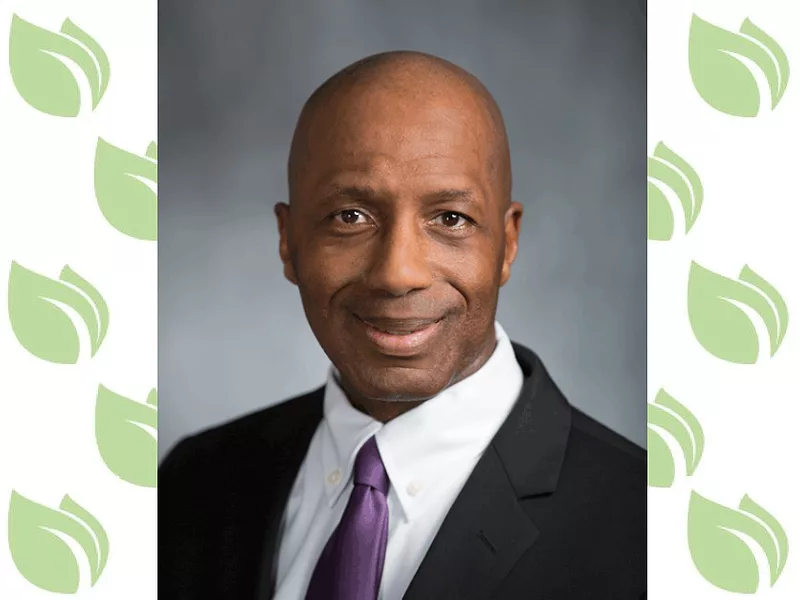
James Earl White, a former beef cattle producer, was a member of the Texas House of Representatives from 2010 to 2022. He is a former candidate for Texas agriculture commissioner.