
My family has been farming tomatoes in Florida for 75 years. We’ve weathered hurricanes, recessions, labor shortages, you name it. But nothing has done more damage to our farms and our way of life than the U.S.-Mexico tomato suspension agreement.
When it was signed 30 years ago, the agreement was supposed to level the playing field by setting fair prices. Instead, it’s done the opposite. For decades, it’s allowed Mexican producers to flood our market with artificially cheap tomatoes—often priced below the cost of production. This “dumping” has led to American growers like us being pushed aside. We used to supply 80% of the tomatoes in the U.S. market. Now we’re down to 30%.
When the first agreement went into effect, we saw the impact almost immediately. Prices dropped. U.S. growers started losing contracts. Family farms began shutting down. Back then, our grower meetings would fill a room with 200 people. Now we’re lucky if five show up. Many hardworking growers have thrown in the towel because they couldn’t compete due to these trade practices. Just this season, we have seen one Florida tomato farm sell off prime tomato acreage for development while another just announced they are going out of business and are in the process of selling off their equipment. That’s the human cost of failed trade policy.
This isn’t just about farmers. It’s about jobs, families, and small towns. Tomato farming supports thousands of people—field crews, packinghouse workers, truck drivers, mechanics, and local businesses. When a farm shuts down, it’s not just the grower who loses out. It’s the workers, the suppliers, the whole community that feels it. Every farm that disappears takes something with it.
It’s easy to be “in the know” about agriculture news from coast to coast! Sign up for a FREE month of Agri-Pulse news. Simply click here.
We’re not afraid of competition. We know Mexico has lower labor costs and fewer regulations. We accept that. But we can’t compete with blatant disregard for the law. We can’t survive in a system that rewards dumping and turns a blind eye to enforcement.
The evidence of trade violations is clear. The courts have ruled in our favor time and again. In April, the U.S. Court of International Trade reaffirmed the Commerce Department’s finding that Mexican producers were dumping tomatoes into the U.S. market. And the U.S. International Trade Commission voted unanimously that this dumping is harming American farmers like us.
President Trump and Secretary Lutnick deserve credit for finally listening. They’ve acknowledged that the agreement has failed and made the decision to end it. This will level the playing field so U.S. and Mexican growers can compete fairly. Ending the agreement doesn’t stop Mexico from selling tomatoes here. They’ll still ship. They’ll still compete. But they’ll have to follow the rules. That’s all we’re asking.
There are voices urging the administration to reverse course and renegotiate the agreement. We’ve already had five different versions, and each one has promised stronger enforcement. Each one has failed. We’ve already lost hundreds of farms. If we agree to a sixth suspension agreement, we’ll lose what little is left. Instead of five growers in the room, there will be two, or none.
This isn’t just a Florida issue. Growers from California, Georgia, Michigan, New Jersey, and beyond are with us. This is about protecting American food production—plain and simple.
We may be one part of the trade picture, but we feed schools, restaurants, grocery stores, and families across the country. Our workers operate under some of the highest labor and safety standards in the world. That comes at a cost—but it’s worth it to make sure the food our kids eat is safe
We’re not asking for special treatment. We’re asking for the rules to be enforced.
These suspension agreements simply haven't worked, and each one has ended the same way—with more farms gone, more jobs lost, and fewer growers left standing.
This time, we’re not backing down. We’re standing our ground—not just for our families, but for every American who believes in fair trade, locally grown food, and the right to compete on equal footing.
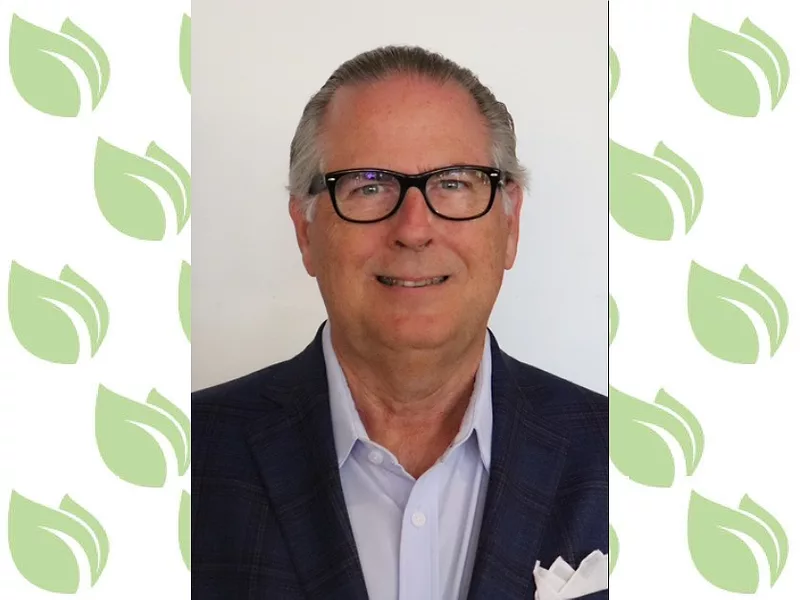
Bob Spencer owns West Coast Tomato in Palmetto, Florida.