
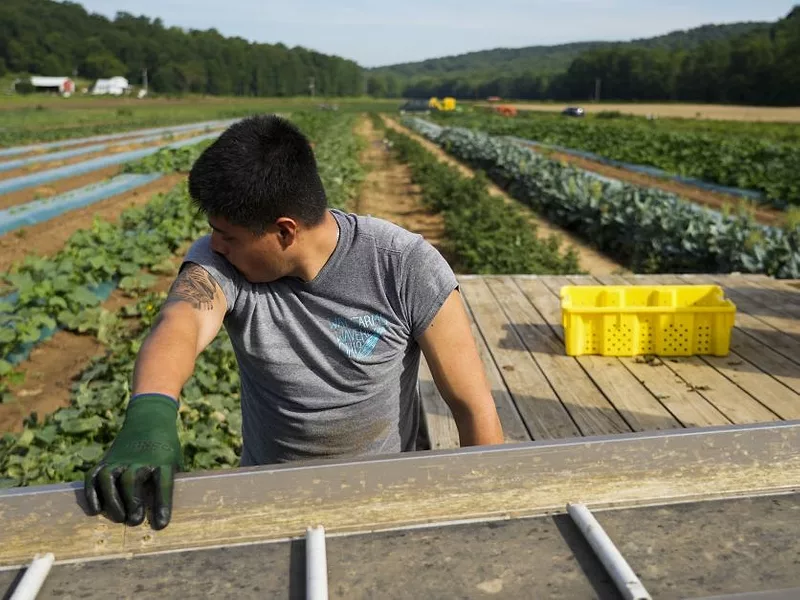
A California bill aimed at expanding workers’ compensation protections for farmworkers exposed to extreme heat is facing intensifying pushback from business and agricultural groups, who say the measure would create unnecessary legal entanglements, raise costs and undermine existing enforcement systems.
Assembly Bill 1336, authored by Assemblymember Dawn Addis, D–Morro Bay, proposes a rebuttable presumption, designating any heat-related injury or death suffered by a farmworker as work related. The employer would then bear the burden of proving the injury did not result from workplace exposure.
Addis and the bill’s backers reason this would incentivize employers to comply with California’s outdoor heat illness prevention standard.
“The ongoing prevalence of violations shows current enforcement protocols are not enough,” said Asm. Liz Ortega, D-Hayward, who chairs the powerful Assembly Labor and Employment Committee and championed the bill in the Senate’s counterpart committee last month. “Farmworkers also face a climate of fear when it comes to reporting workplace violations or injuries, particularly given the intentional fear mongering and actions of the new federal administration.”
Legal burdens and overlapping authority
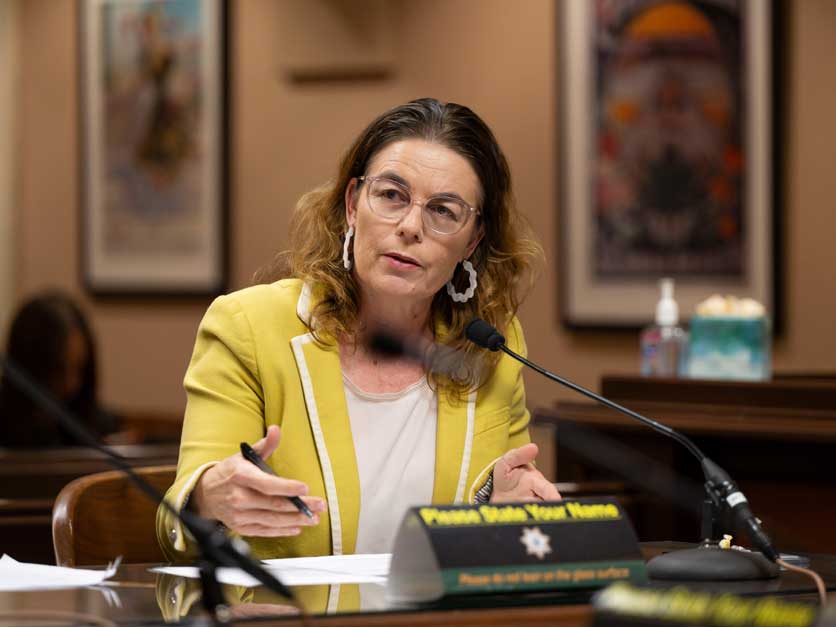 Asm. Dawn Addis, D-Morro Bay (photo: Addis' office)
A business coalition that includes the California Chamber of Commerce and industry groups representing growers, retailers and manufacturers argues AB 1336 would force the state’s workers’ compensation system to wade into regulatory territory best left to Cal/OSHA.
“The Cal/OSHA appeals board doesn't have the expertise to understand whether or not an employer has been in compliance with the heat illness prevention standard,” said Bryan Little, senior director of policy advocacy at the California Farm Bureau, during the Senate hearing.
He added that the workplace safety regulator is currently “standing up extraordinary efforts” to create a separate enforcement function specific to agriculture, with more than 50 staff and offices throughout the state. Heat illness will be one of the major issues they address, he explained.
Cal/OSHA’s heat standard requires employers to provide shade, water and rest breaks when temperatures exceed 80 degrees. Critics contend that AB 1336 would duplicate that authority and confuse the claims process by creating a second venue through the appeals board for challenging heat safety compliance.
The California Restaurant Association, California Retailers Association and several agricultural trade groups have submitted letters warning the bill would disrupt longstanding legal standards in workers’ comp.
Rising costs and fiscal concerns
Opponents also warn of downstream effects on insurance premiums and state agency workloads. AB 1336 would establish a Farmworker Climate Change Heat Injury and Death Fund, drawing a one-time $5 million transfer from the Workers’ Compensation Administration Revolving Fund to cover related administrative costs.
It’s easy to be “in the know” about agriculture news from coast to coast! Sign up for a FREE month of Agri-Pulse news. Simply click here.
But according to an Assembly fiscal analysis, ongoing costs to the Division of Workers’ Compensation, the appeals board and the Department of Industrial Relations could exceed the initial allocation. Critics fear the state could be locked into funding a program with escalating long-term expenses and no clear revenue source.
That drove the Department of Finance to voice the administration’s opposition to the bill during a Senate Appropriations Committee hearing last week. The budget analyst also called AB 1336 premature, given previous legislation and ongoing rulemaking activities.
Industry groups, meanwhile, warn the bill may contribute to higher workers’ compensation premiums for agricultural employers, particularly small farms already under financial strain from climate impacts, labor shortages and inflation. They are urging lawmakers to consider alternative approaches, such as more robust enforcement of Cal/OSHA rules, rather than rewriting workers’ compensation standards.
Governor’s past veto fuels doubts
Adding to the opposition’s momentum is that Governor Gavin Newsom last year vetoed Senate Bill 1299, a nearly identical measure authored by Senator Dave Cortese, D-Silicon Valley. Newsom cited concerns over shifting enforcement duties from Cal/OSHA to the compensation system and questioned the policy’s alignment with existing state oversight.
In its analysis of the 2024 bill, the California Workers’ Compensation Institute noted that California already approves 89% of the claims in agriculture — a higher rate than in any other industry — while just 0.7% of all agriculture claims involved heat-related injuries or illnesses.
Yet Addis and worker advocates are pressing forward. As the sponsor of AB 1336, United Farm Workers claims the state’s enforcement efforts are inadequate to cover California’s 60,000 farms and that the bill’s market-based approach would supplement the efforts. It views the legislation as a necessary backstop in light of intensifying summer heatwaves and the deadly risks they pose to farm laborers.
The bill will next face a critical appropriations vote, and the Legislature would then have until the end of August to send the bill to the governor.
For more news, go to Agri-Pulse.com.

