

Cue the crocodile tears, but it ain’t easy being the CEO of a nonprofit trade association.
Yes, they can make what seem like large salaries to most people. They get to go to receptions, travel all over and hobnob with VIPs. Sometimes they even get to go to the White House.
But they have one thing on their mind – that is, if they’re any good – and that’s serving their members and maximizing their political influence in the nation's capital.
“With this type of job, they wake up every morning and they go to bed every night thinking about, ‘what am I doing, and what are we doing, to create value for our members and our stakeholders?’” says Jared Spader, CEO of Reata Partners, an executive search, talent advisory and management consulting firm.
“Running a trade association, particularly one involved in agriculture in Washington, is a tough challenge,” says Chuck Conner, who became CEO in 2009 of the National Council of Farmer Cooperatives after serving as deputy secretary at USDA. He recently stepped down from leadership of the organization (though he is on the payroll through the end of the year).
“Our political strength is based almost entirely on the fact that we represent farmers out there at the grassroots level,” Conner said. The trick is to translate that connection from the farm to the association, and then into political power.
“If you don't have that connection to the farm in some way, your challenges are very, very difficult because politicians, administration officials and the like are looking for that grassroots advocacy today,” he said. “And in many ways, they don't care what the trade association thinks, unless they believe that that trade association is speaking for farmers and rural businesses out there in the countryside. That’s your biggest challenge.”
Politicians need to be convinced that the CEO is the messenger, Conner says.
“I'm doing this because every time I step foot in Iowa, or every time I step foot in west Texas, or whatever the case may be, this is what they're ringing my bell about. If you don't fix it, they're gonna start ringing your bell. That's gotta be the message.”
The job involves a lot of listening.
“You just have to have your apparatuses in place to make sure that on a continual basis, you are soliciting input from what I loosely call ‘the folks back home,’” Conner said. ”It's not top-heavy where I'm telling co-op leaders and farmers out in the countryside, this is what you really need to be doing.”
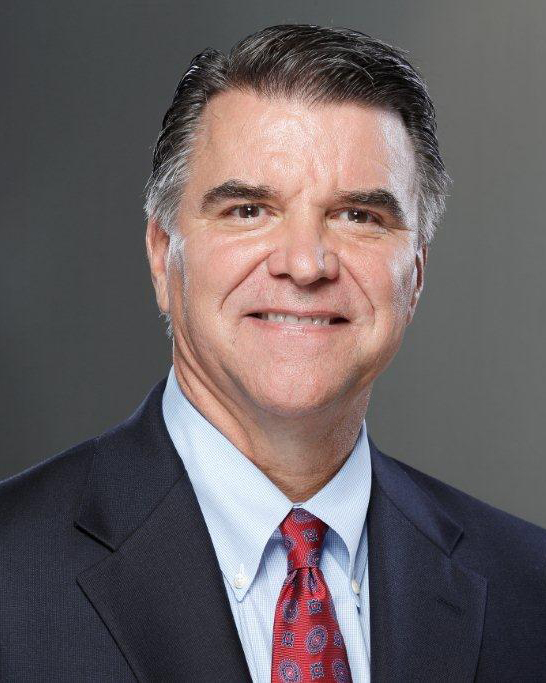 Chuck Conner (NCFC photo)
“The minute a political leader in this town feels like you're the person that is out there trying to tell your members what's important, you have lost the battle,” Conner says.
Consolidation in agriculture and the loss of farms have likely trimmed the membership of some trade associations, but Cam Camfield of Stratovation Group says recent events in Washington demonstrate the need to have ag groups in the national conversation.
“I think the importance of their organizations and the work they're doing is really being recognized, maybe now more than ever, just in that we have so many things going on all at once,” says Camfield, whose company offers research, consulting and marketing services.
“When Time and Newsweek are writing about how bad ag is,” he says, it’s a sign that “the broader market might even be paying attention. In a scenario where margins are this thin and things are this difficult, every bit that we can do to fight back and gain ground in D.C. is going to be mission-critical.”
There are the food and agricultural workforce issues, highlighted by the Trump administration’s immigration raids and deportations; the Make America Healthy Again movement and its attendant controversies; and the seemingly never-ending debate over the farm bill.
Don’t miss a beat! It’s easy to sign up for a FREE month of Agri-Pulse news! For the latest on what’s happening in Washington, D.C. and around the country in agriculture, just click here.
“It seems like those organizations are being asked to do a lot,” Camfield says of ag trade groups.
And they want to know what their members are thinking.
“We’ve seen an uptick in a lot of our research and consulting business,” he says, as association leaders seek members’ perspectives.
Spader says the tools available to CEOs today – think social media – differ markedly from what his father, as head of the American Angus Association from 1981 to 2001, had available to him. There’s also the downside of social media, which “can become a remarkably toxic tool.”
“I would argue that the complexity of being a CEO for a member-driven organization today is way higher and way harder than it was when my dad was, but the human dynamics and the things we're talking about – strong governance, clear articulation of roles and responsibilities, serving as a facilitator and in service to members – that hasn't changed.”
As for those salaries, are the leaders worth it? Spader chuckles and says, “I would argue that the answer is in the hands of the boards and of the membership ... whether they think that CEO is creating the kind of value that is commensurate with that compensation.”
Conner agrees with the value proposition, warning that it can sometimes be difficult if members perceive there’s no need to have representation when it seems like Congress is doing nothing.
“You've got to be able to show value, no matter what the circumstances are, and sometimes, and we're in the middle of them right now, showing that value can be difficult for co-ops,” he says.
An opportunity to demonstrate that value came in the form of the One Big Beautiful Bill, which ended up full of tax provisions benefiting co-ops.
“Others in agriculture who may not have had quite so much vested interest in the tax provisions are really struggling with this right now,” Conner says. “How do you convince your members to stay with you during these kind of times? Because Congress and the administration are probably not going to agree on much of anything right now.”
“We spent two years sort of setting the table, if you will, for that debate,” he says. “Before we even knew who was going to be the president of the United States or who was going to be in control of Congress, we were laying the groundwork for all of those tax provisions. And I think that early work did pay off, for us certainly.”
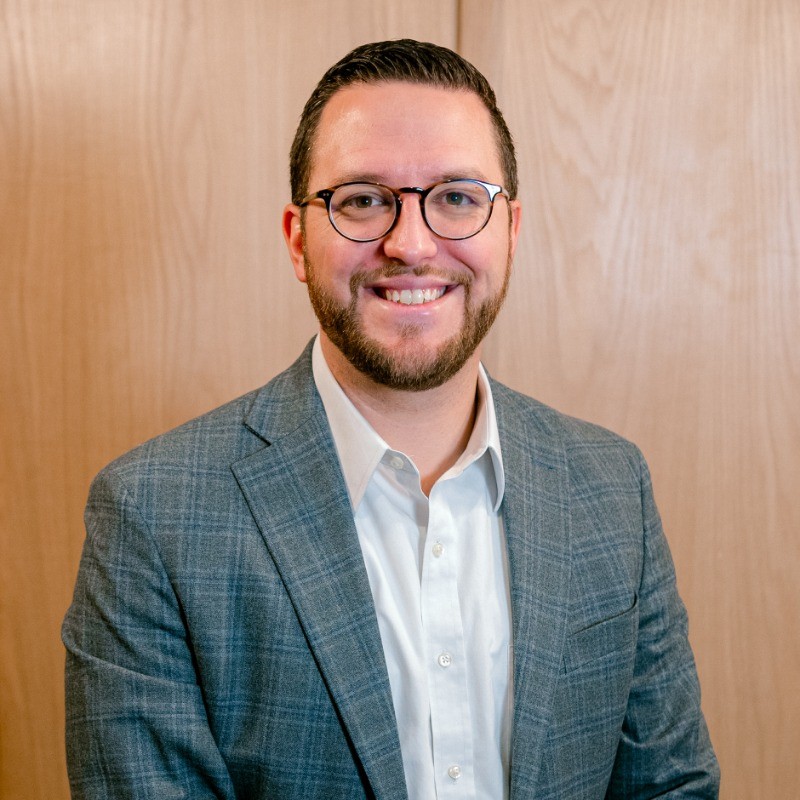 Cam Camfield (LinkedIn photo)
Camfield also says that successful organizations are usually looking at ways to innovate by bringing in new revenue streams, for example.
“Organizations we work with have been pressure-testing new service offerings, new partnerships and other value-adds that they can bring to their members, whether that be technology platforms or new services that they could provide,” he says, “recognizing that their members need help, and they're a trusted adviser, and in some cases, they may have the authority to do more than they have in the past.”
Conner has other advice for CEOs. A staple is bipartisanship.
"As an organization that intends to be there kind of through thick and thin – and I think all trade associations would claim that's what they want – you've got to be prepared for anything politically," he says. "Very few ag trade associations who get by with being what I would call pretty straight-out one sided Republican, but generally speaking, you just flat-out have to be prepared for the days when Debbie Stabenow is chairman, or Angie Craig becomes chairman," he adds, referring to the former chair of the Senate Ag Committee, now retired, or the current ranking member of the House Ag Committee.
He also says civility is still important.
"I hope in my long career that maybe that's one of the words that might define who I was, that no matter what the circumstance was, I hope I treated people fairly and with an element of civility," he says. "I still believe, despite the times we're in and the social media world we live in, I believe treating people as you want to be treated yourself pays dividends in this business."
For more news, go to www.Agri-Pulse.com.

