
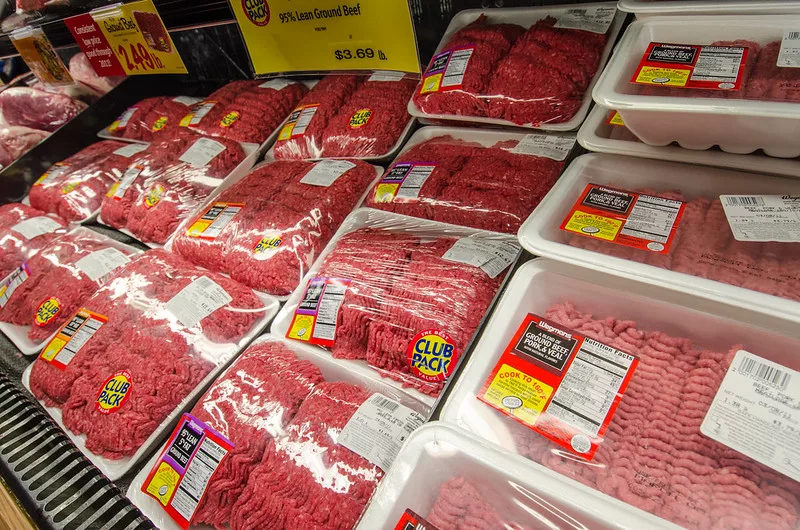
The cost of eating at home surged 0.6% in August as beef prices continued to climb, and consumers had to pay more for produce, including tomatoes, apples and lettuce.
Grocery prices are now up 2.7% year over year. The overall Consumer Price Index rose 0.4% in August after increasing 0.2% in July, the Bureau of Labor Statistics reported Thursday. The CPI is now up 2.9% over the past year.
The uptick in inflation comes as the Federal Reserve is under heavy pressure from President Donald Trump to stimulate the economy by cutting interest rates amid signs of economic weakness.
The index for meat, poultry, fish and eggs rose 1% in August, driven largely by the 2.7% increase in beef prices, which are now up 13.9% over the past year. The cost of beef has been under pressure for months because of the historically low number of cattle and the extended closure of the southern border to Mexican livestock due to the outbreak of New World screwworm in Mexico.
Cut through the clutter! We deliver the news you need to stay informed about farm, food and rural issues. Sign up for a FREE month of Agri-Pulse here.
Poultry prices increased 0.2% in August but were offset by a 0.7% drop in the price of poultry.
The index for fruits and vegetables rose 1.6%, driven in part by a 4.5% increase in the price of tomatoes, and 3.5% increases in lettuce and apple prices. Banana prices rose 2.1%, and potatoes cost 1.8% more.
Andy Harig, vice president of tax, trade, sustainability and policy development for FMI-The Food Industry Association, said in a statement that the food inflation in August “is likely a result of significant production cost increases in July flowing through the supply chain. Food price inflation continues to experience challenges driven by input costs and market uncertainties.”
Harig indicated that the administration’s willingness to exempt from imported products from Trump’s tariffs could provide some relief to consumers. The exemptions would be limited to products that that aren’t grown … or naturally produced in sufficient quantities in the United States to satisfy domestic demand.”
“As an industry committed to ensuring access to affordable, safe, nutritious food, we are encouraged by the Trump administration’s recent executive order establishing a zero-tariff rate for country-specific products if certain conditions are met,” Harig said.
“We are hopeful this positive step will lay the groundwork for broader and more favorable trade conditions. However, we are keeping our eye on other economic pressures that can impact production costs, supply chains, labor availability and consumer purchasing power.”
FMI represents major supermarket chains.
The index for eating away from home increased 0.3% last month as the cost of full-service meals rose 0.4%.
USDA, which forecasts food prices, estimated last month that the inflation rate for food eaten at home would be 2.2% this year and just 1.2% in 2026.
For more news, go to Agri-Pulse.com.

