
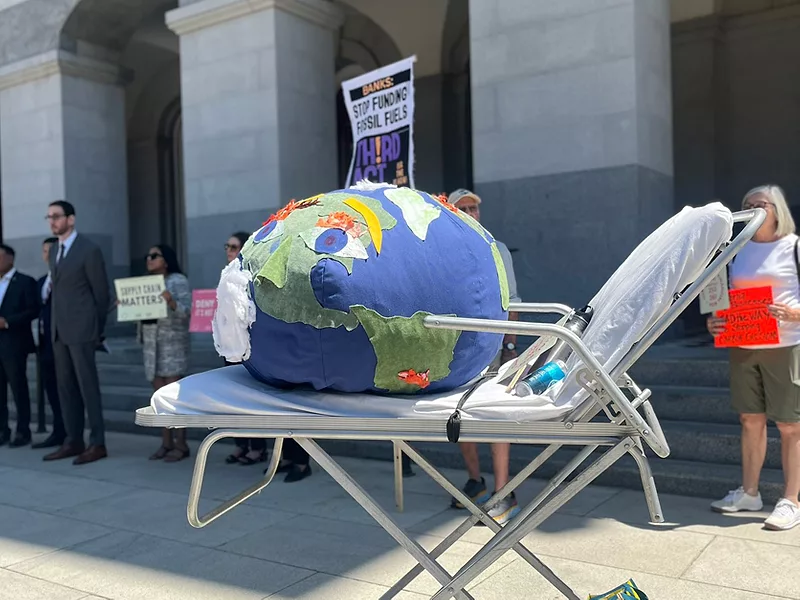
As California advances its climate accountability agenda, prominent food and agriculture companies are being swept into a new corporate greenhouse gas disclosure regime, raising the stakes for transparency in the food supply chain.
The California Air Resources Board is establishing climate reporting rules as part of a regulatory package to comply with laws the Legislature passed in 2023. Under Senate Bill 261, firms with annual revenues above $500 million must report on climate risks like drought, floods and extreme heat waves that could affect their business, along with steps they are taking to adapt.
Under SB 253, firms doing business in California with annual revenues exceeding $1 billion must report greenhouse gas emissions. The law mandates disclosure of both direct and indirect emissions, along with upstream and downstream emissions in the value-chain, known as Scope 3. Many of the firms would report emissions at the consolidated parent level, encompassing all subsidiaries.
Critics warn the controversial Scope 3 accounting is complex, uncertain and resource intensive. Supporters argue that standardized reporting will bring much‐needed visibility to emissions embedded in everyday products.
As it moves through the regulatory process, CARB has released a preliminary list of more than 4,000 entities that could fall within the reporting requirements. Dozens of food, meat and dairy conglomerates from across the country have made the list, including global agri-food giants like Tyson Foods, Dairy Farmers of America, Del Monte Foods and Nestlé, along with California leaders like Blue Diamond Growers and Grimmway Farms, which are subject only to SB 261 disclosures. Also on the list are beverage companies like Modesto-based E. & J. Gallo Winery and fertilizer producers like Bio Ag Nutrient Solutions.
A benchmark set by the environmental nonprofit Ceres, titled the “Food Emissions 50,” shows that many major food companies are already stepping up disclosure efforts: 30 of 50 firms report agricultural emissions, 22 include emissions from land use change, and several are quantifying targets for methane and nitrous oxide reductions. But the shift to compliance under California’s law will push a broader cohort of companies to strengthen their disclosures, data systems and supply chain engagement.
Cut through the clutter! We deliver the news you need to stay informed about farm, food and rural issues. Sign up for a FREE month of Agri-Pulse here.
The new reporting demands have entangled food and agriculture groups in political and legal pushback. In 2024 the U.S. Chamber of Commerce, California Chamber of Commerce, American Farm Bureau Federation and others sued California, alleging the laws conflict with federal authority and infringe First Amendment protections by compelling speech. The trial is scheduled for Oct. 20.
CARB is taking feedback on the preliminary list and is encouraging companies that may qualify for an exemption to reach out through its survey. The first SB 261 reports are due in January, while the reporting deadline for Scope 1 and 2 emissions is June 30 and for Scope 3 in 2027. CARB is not planning to issue penalties next year for companies voluntarily reporting emissions and climate risks. The formal rulemaking process kicks off on Tuesday.

