
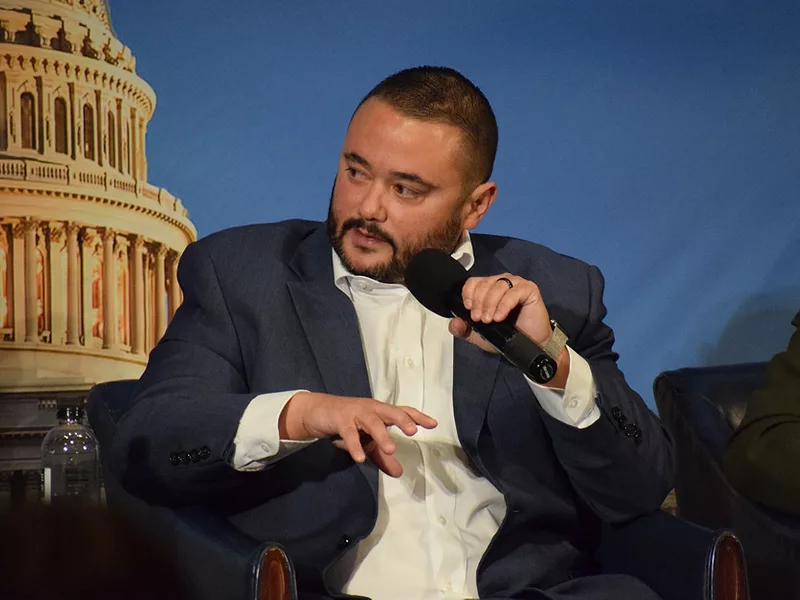
Veteran agricultural economist John Newton is returning to the American Farm Bureau Federation, where he will oversee both the nation’s largest farm organization’s government relations advocacy staff and its team of economists.
Newton, who was AFBF’s chief economist before leaving for the Senate Agriculture Committee’s GOP staff in 2021, will serve as AFBF’s vice president of public policy and economic analysis in his new role. He also will serve as the group’s chief economist.
Newton left the Senate Ag staff in 2024 to become executive head of Terrain, part of the Farm Credit System.
While at Terrain, he led a groundbreaking economic analysis of how U.S.. agriculture could be affected by falling birth rates and shrinking global population. The study found that U.S. soybean and sorghum producers would be particularly exposed to falling demand for their crops.
Newton holds two master’s degrees and a doctorate from The Ohio State University and served on the faculty at the University of Illinois. In 2021, he was awarded the Distinguished Alumni Award from Ohio State.
Cut through the clutter! We deliver the news you need to stay informed about farm, food and rural issues. Sign up for a FREE month of Agri-Pulse here.
Newton is filling two roles at AFBF, replacing Sam Kieffer, who is stepping down as vice president of public policy to become president and CEO of the National Association of Wheat Growers, and Roger Cryan, who left AFBF as chief economist in May. Cryan had replaced Newton in that job in 2021.
AFBF President Zippy Duvall said in a release that Newton “was a fantastic chief economist for us and has demonstrated his impressive leadership skills in several roles since and throughout his 20 years in agriculture. He’s passionate about serving farmers and ranchers, and I know he’ll put that passion to work in this new role.”
Said Newton, “This is such a critical time for U.S. agriculture, and I am eager to roll up my sleeves and get to work alongside my colleagues to advocate on behalf of farmers and ranchers nationwide and help people understand the connection between public policy and the farm economy.”
For more news, go to Agri-Pulse.com.

