
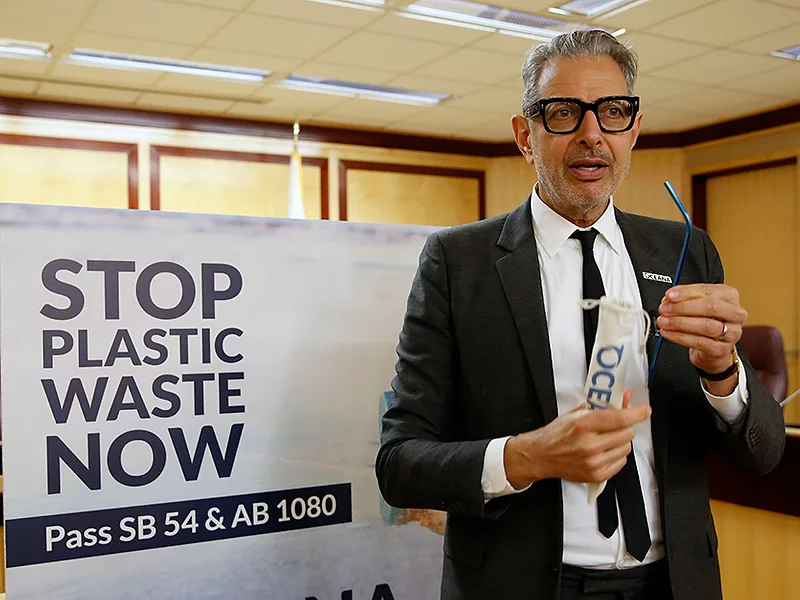
CalRecycle’s latest draft regulations for implementing Senate Bill 54 on reducing plastic waste have triggered a new wave of debate over how far the state should go in restricting single-use plastics without jeopardizing food safety, affordability and compliance with federal law.
The final proposal sets detailed timelines and compliance targets for thousands of producers to reduce plastic packaging 25% by 2032 and ensure all remaining single-use materials are recyclable or compostable. At a public hearing on the proposal last week, food companies, farm groups and environmental advocates clashed over compostables, exemptions and the role of chemical recycling.
CalRecycle, short for the California Department of Resources Recycling and Recovery, released the initial draft regulations in March, drawing immediate outcry from the business community. Governor Gavin Newsom agreed the rules could impose unacceptable burdens on businesses and pass costs on to consumers and sent the department back to the drawing board.
CalRecycle released a second draft in May to implement the state’s landmark SB 54 circular economy law. Yet the reforms continued to raise concerns over costs, confusing consumers and leading to more plastic in the soil on farms. One of the most hotly contested elements was whether certain types of food packaging — especially those required for food safety under FDA or USDA standards — should be categorically excluded from SB 54’s requirements.
The California Chamber of Commerce, grocers and food producers strongly supported the exclusion, arguing they’re essential for shelf-stable items, raw meat, dairy and medical products.
“We shouldn’t demonize the very folks feeding everybody, but push them to get more sustainable,” said Adam Regele, vice president of advocacy and strategic partnerships at the California Chamber of Commerce.
Also drawing scrutiny was the milk carton — often made from layered paper, plastic and sometimes aluminum.
CalRecycle reviewed the many comments and released its final proposal in August, but it continues to raise red flags for food producers.
 Gail Delihant, Western Growers (WGA photo)
Food safety exemptions under scrutiny
Representatives for the food and agriculture sector are warning that rapid packaging redesigns could risk contamination and spoilage, arguing that the Food Safety Modernization Act and other critical regulations and statues often require specific plastics to ensure safety.
The Western Growers Association and other trade groups say CalRecycle’s timeline for redesigning or substituting materials is unrealistic and should be extended beyond 180 days allowed for an exclusion. In a comment letter to the department last week, Gail Delihant, senior director of government affairs at Western Growers, cautioned that switching to fiber or compostable alternatives could raise greenhouse gases by increasing food waste, while also being more expensive and less durable.
“Western Growers supports the state’s goal of reducing environmental harm and human health impacts associated with plastic pollution,” wrote Delihant. “Thoughtful and careful implementation of the statutory requirements in the SB 54 draft regulations is critical to advance the policy goals of the law in a cost-effective way.”
Cut through the clutter! We deliver the news you need to stay informed about farm, food and rural issues. Sign up for a FREE month of Agri-Pulse here.
The food manufacturing industry raised further alarms. The Coalition for Protein Packaging and USDA-regulated processors praised CalRecycle for recognizing that food safety is nonnegotiable, but urged regulators to clarify how exclusions would apply in practice. They argued that testing and validation for new packaging can take more than 18 months and cost millions, putting smaller firms at a disadvantage.
Several food organizations also pushed for flexibility in maintaining compostable packaging as a compliance pathway, warning that the proposed definitions could “entrench conventional plastics” rather than promote sustainable innovation.
Aligning with Delihant’s comment, Petaluma-based Amy’s Kitchen called it laughable to steer manufacturers toward fiber-based packaging. The company’s sustainability director, Renaud des Rosiers, pointed out that “the vast majority of the public” has rejected fiber straws “due to their lack of functionality.” He reasoned that CalRecycle must be transparent with the implications in the rulemaking it proposes and should “tell the people of California they cannot have their morning coffee, occasional take-out dinner, frozen foods, granola bars and chips.” He claimed the industry lacks functional alternatives to the plastic packaging.
The organic food company urged the department to instead relax its standards for acceptable packaging, “leaving broad room for compostable packaging as a compliance pathway,” according to des Rosiers. Brands like Amy's are “trying to substantively lead the transformation to a fossil plastic-free, sustainable packaging future,” and the new revisions are “effectively tinkering on the margins of a deeply flawed incumbent system, while further entrenching the conventional plastics the law purports to be working to reduce.”
Yet the Community Alliance with Family Farmers, echoing the concerns of composting associations, pushed for guardrails to keep compost clear of any packaging and food ware that does not break down, that leeches toxic chemicals or additives, or that breaks down into microplastics.
“California's agriculture industry purchases well over two-thirds of all compost sold in California, making it the single largest and most promising end market for the material use by growers, conventional and organic alike,” said Jennifer Fearing, lobbying for CAFF. “We cannot risk introducing contaminants that jeopardize crop safety, farm certifications or brand reputation.”
Environmental advocates decry broad ‘carve-outs’
Environmental groups took issue with the food exemptions, asserting that they would undermine SB 54’s intent to curb single-use waste. Advocates from the Natural Resources Defense Council, Surfrider Foundation, Californians Against Waste and other organizations described the exemptions as carve-outs from reduction and recyclability requirements for much of the food and agriculture sector.
 Jennifer Fearing (Fearless Advocacy photo)
“Broad exclusions for over-the-counter drugs and food and agricultural products will result in more plastic being sent to landfills or left to pollute our environment,” said Caleb Weis, a campaign associate for Environment California.
The organizations also took issue with how the draft treats chemical recycling, also called advanced recycling, which converts plastics into fuels or feedstocks through heat or solvents. The critics contended the technology amounts to “incineration by another name” and could increase emissions in communities already burdened by pollution.
Rural regions voiced separate frustrations over how CalRecycle proposes to allocate costs between producers and local waste agencies. The draft limits what costs can be recovered, potentially shifting financial responsibility back onto taxpayers, according to Rural County Representatives of California.
RCRC also questioned how the rules would handle disputes over producer payments and infrastructure funding, describing the draft’s proposed resolution process as complex and weighted toward packaging manufacturers. Its member counties fear that exemptions for agricultural and food packaging could weaken the revenue base needed to expand recycling and composting capacity statewide.
High stakes for California producers
The regulations would require more than 5,700 producers to report data, pay annual fees and submit packaging reduction plans. Noncompliance could draw penalties of up to $50,000 per day. The Circular Action Alliance — the state’s designated producer responsibility organization — must submit a statewide program plan to CalRecycle in mid-2026, with implementation beginning in 2027.
Food companies say they are already making progress. Western Growers noted that many growers and shippers use recyclable clamshells and are working to integrate recycled content into packaging. But they urged CalRecycle to ensure the regulations remain “practical and legally sound” to avoid disrupting the fresh produce supply chain.
CalRecycle officials said they will review all comments before submitting the final rule package to the California Office of Administrative Law later this year. The department may issue a shorter, 15-day public review if substantial edits are made.
For more agricultural news, go to: www.Agri-Pulse.com

