
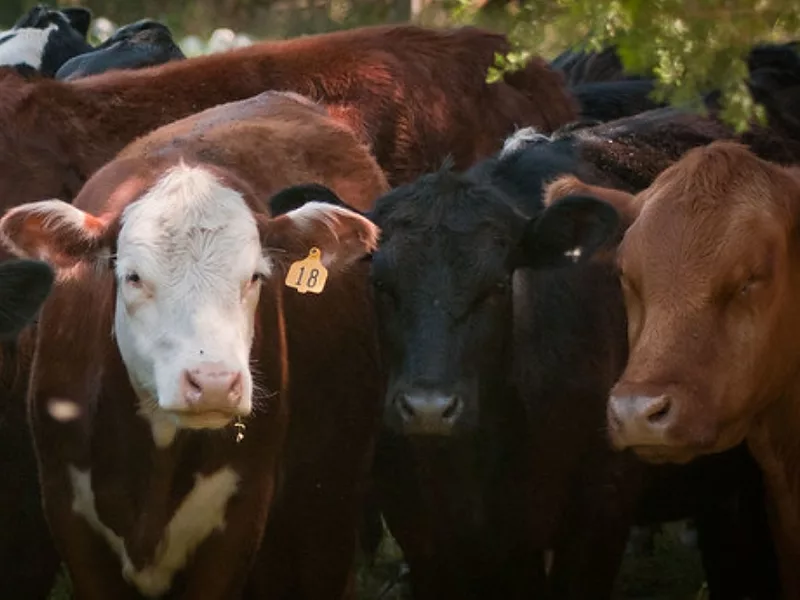
Texas Agriculture Commissioner Sid Miller wants to let Mexican cattle into the U.S. so they can be in rodeos.
America’s borders are closed to Mexican cattle to protect domestic cattle from New World screwworm, and that means a massive number of cattle are backed up at the border, waiting to enter the U.S., Miller told Agri-Pulse on Friday. Meanwhile, beef prices are rising as U.S. cattle herds are at about a 70-year low.
“We need to get back to importing those cattle,” Miller said.
So, Miller has pitched the White House on a pilot program that would open the Southern border to sporting cattle, the kind used in recreational activities like team roping. “Mexico has about 15,000 head of those down there and we need them for the big winter rodeos,” he said.
The larger goal would be to gradually re-open the border for trade, allowing any issues to be dealt with on a smaller scale. It would also be a test to see if screwworm can be kept out of the country, an objective Miller “one hundred percent” believes is doable with proper protocols in place.
Horses are part of the plan too. In a bid to bolster trade with Mexico, Miller wants to allow Mexican horse imports, which typically come in at a modest weekly number when trade is open. "It would give Mexico a win ... and show them we are trying," he said.
White House officials didn't immediately respond to Agri-Pulse's request for comment.
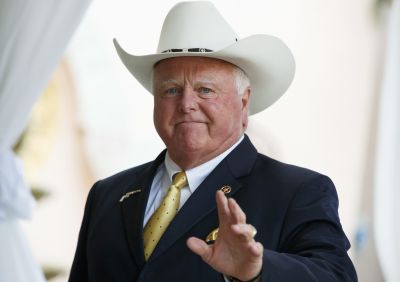 Texas Ag Commissioner Sid Miller (AP photo)
USDA has been leading the effort to keep screwworm out of the country.
Separately, Miller and the Texas Department of Agriculture last week hosted Latin American ag and health leaders for meetings on how to combat New World screwworm. The U.S. State Department requested the two-day gathering in Austin. Topics included early detection efforts, strengthening cross-border surveillance and developing unified livestock protection strategies.
Whole milk bill expected to clear House soon
"It's so close you can almost taste it."
So says the National Milk Producers Federation about a bipartisan bill to put whole milk back in school cafeterias after a decade-plus ban.
The Whole Milk for Healthy Kids Act is expected to clear the U.S. House as early as this week. The measure, which passed the Senate last month, would then go to the White House for President Donald Trump’s signature.
A bill overturning the ban on full-fat and 2% milk in the USDA school lunch program passed the House in 2023 but stalled in the Senate.
With U.S. milk supplies at record highs and fluid milk consumption falling, a return to full-fat milk in schools could provide a "small but meaningful outlet for butterfat – key to farm revenue – and create new opportunities for local dairies," said American Farm Bureau Federation economist Daniel Munch.
Specialty crops in spotlight following aid announcement
U.S. specialty crops are in focus after President Trump outlined his plan to help farmers.
The administration shared some details on how it intends to get $11 billion in planned aid to producers of cash row crops like corn and soybeans. So far, there’s been no news on the $1 billion allocated for vegetables, fruits and nuts.
Cut through the clutter! We deliver the news you need to stay informed about farm, food and rural issues. Sign up for a FREE month of Agri-Pulse here.
"Once again, we see specialty crops being left out," Rep. Jim Costa, D-Calif. said.
In a House Agriculture Committee hearing Wednesday, Costa said it's almost impossible to find California wine in Canadian supermarkets or restaurants because of Trump's tariffs. "It's a great concern," he said.
A bipartisan group of U.S. House lawmakers last week introduced a bill to provide direct support to specialty crop growers and wine producers facing losses due to federal trade policy.
U.S. officials signal progress in Rio Grande talks
The Trump administration say it’s reached an understanding with Mexico over a shortfall of Mexican water deliveries to the U.S., which has left South Texas irrigators struggling.
Mexico plans to release 202,000 acre-feet of Rio Grande water, with deliveries to begin this week, according to a USDA press release. The release said both nations are negotiating to finalize a plan by the end of January.
U.S. and Mexican officials are negotiating “a series of actions to meet the treaty obligations," but "concur on the importance of continuing to work cooperatively within the framework of the 1944 Water Treaty," according to a joint communiqué released Friday.
Take note: President Donald Trump previously threatened in a Truth Social post to impose a 5% tariff on Mexico if it did not release 200,000 acre-feet by Dec. 31. In a statement Friday, Agriculture Secretary Brooke Rollins reiterated the possibility of tariffs should Mexico fail to deliver.
"Although this is a step in the right direction, President Trump has been very clear: if Mexico continues to violate its commitments, the United States reserves the right and will impose 5% tariffs on Mexican products," she said.
Trump didn’t threaten Indiana with loss of funds, White House says
The Trump administration says it did not threaten Indiana with the loss of federal funding if the state’s Senate did not approve an administration-backed redistricting plan. Indiana Lieutenant Governor Micah Beckwith told Politico that the proposed USDA hub in Indianapolis was specifically at risk.
Beckwith had said on social media that administration officials said the state could lose federal funds as they attempted to get state senators to redraw the state’s congressional districts to favor Republicans.
The Indiana Senate rejected the redistricting push Thursday and Beckwith spoke out Friday.
His office did not respond to an Agri-Pulse request for comment, but Indiana House Republican leader Todd Huston said he was unaware of such threats, according to the Indiana Capital Chronicle.
White House spokesman Davis Ingle said in a statement, “President Trump loves the great state of Indiana and the nearly 7 million patriotic Hoosiers who live there, which is why he won by nearly 20 points in all three of his historic presidential campaigns there. President Trump has never threatened to cut federal funding and it’s 100% fake news to claim otherwise.”
Final word
“This marks the first known case of HPAI in cattle in Wisconsin. While dairy cattle in a total of 18 states have been infected since the start of the outbreak in March 2024, APHIS has seen cases in only a small number of states this year. APHIS is working closely with the Wisconsin Department of Agriculture, Trade, and Consumer Protection to conduct additional on-farm investigations, diagnostic testing, and epidemiological data collection to better understand the detection and prevent further disease spread.” – From an Animal and Plant Health Inspection Service news release Sunday. Other than the Wisconsin case, APHIS reports only one other case in a dairy herd in the U.S. in the last 30 days, in California.
Kim Chipman and Noah Wicks contributed to today’s Daybreak.
.webp?t=1762183428)

