

|
With California’s aggressive short-lived climate pollutant goals now in force, a new legislative tweak is drawing fresh debate from cities, wastewater agencies, climate advocates and agricultural interests over how best to count diverted organic material.
Assembly Bill 643 by Asm. Lori Wilson, D-Suisun City, would allow local jurisdictions to count organic materials used as beneficial agricultural amendments — including certain fertilizer products licensed by the California Department of Food and Agriculture — toward their Senate Bill 1383 recovered organic waste procurement targets, if the material meets specific processing and licensing criteria.
 Asm. Lori Wilson, D-Suisun City (office photo)
The bill was shelved last year as other measures on composting sailed through the Legislature and gained swift approval from the governor. After Wilson revived the legislation this month, it easily moved through Assembly Natural Resources and Appropriations committees with bipartisan support, although it drew pointed opposition from environmental groups wary of watering down organic diversion incentives.
Wilson said the effort began through the regulatory process but hit a legal roadblock and needed a technical fix in state code through legislation to change California’s landmark methane law.
SB 1383, enacted in 2016, sets statewide targets for reducing organic waste disposal to landfills by 75% and recovering at least 20% of edible food by 2025. It also requires jurisdictions to procure a set amount of recovered organic waste products to stimulate markets for compost, mulch and other low-carbon end uses.
Proponents say AB 643 would help local governments meet those procurement targets more flexibly by recognizing materials diverted into regulated fertilizer products, particularly biosolids that otherwise head to landfills.
Wastewater leaders make the case
Jason Dafforn, general manager of Valley Sanitary District in Indio, laid out the practical impetus for the bill to lawmakers, drawing directly on his agency’s experience managing organic residuals.
“To meet that goal, one pathway is to refine the waste into a nutrient rich and healthy or highly regulated fertilizer material that is licensed by CDFA,” said Dafforn.
Interested in more news on California agriculture, labor, water and rural issues? Sign up for a four-week free trial to Agri-Pulse West. You’ll receive our content - absolutely free - during the trial period.
He noted that, as of last year, about 226,000 tons of biosolids still end up in landfills statewide.
“Expanding the procurement eligibility to these materials … would allow procurement entities more opportunities to meet their procurement targets by utilizing these locally sourced and sustainable resources,” he said.
Similarly, Steve Jepsen, executive director of Clean Water SoCal, a nonprofit representing 80 wastewater and water agencies, testified in support, emphasizing regional wastewater agencies’ stake in workable organic diversion pathways.
Opposition voices framed their objections around preserving the intent and effectiveness of the SB 1383 procurement program.
John Moffatt, lobbying on behalf of Californians Against Waste, warned against expanding procurement crediting in ways that could undercut investment in compost infrastructure — arguing that shifting credit to noncompost pathways weakens the program’s market-building goals. The arguments underscore environmental concerns that AB 643 could dilute incentives for high-value composting.
Erica Parker, a policy advocate at the group, said the opposition is rooted in “making sure that we're maintaining procurement program intent.”
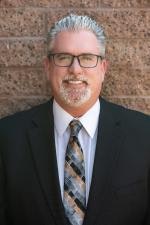 Jason Dafforn, Valley Sanitary District (district photo)
 She pointed out that while biosolids are discussed in diversion, they “were not included in the procurement program explicitly,” and stressed that procurement was “designed specifically for food waste and green waste — all of the materials that have been historically landfilled.”
Farmer and climate groups diverge
Two voices on agriculture emerged on opposed sides in the debate. The Solano County Farm Bureau supports the bill, saying that expanding eligible organics end uses will benefit farmers by increasing access to nutrient-rich soil amendments and creating new markets for products derived from diverted organics.
In contrast, the California Climate & Agriculture Network opposes the bill, aligning with environmental groups’ concerns about weakening the procurement program’s structure. CalCAN argues that broadening procurement credits to substitute products could reduce demand for compost markets that play a critical role in soil health and carbon sequestration strategies.
Wilson acknowledged the disagreement but views the bill as narrow and believes further technical work with CalRecycle can address outstanding concerns.
“There is a compromise still yet to be had,” she said, noting biosolids have historically been disposed of but that the regulatory process initially pursued suggested legislation was necessary.
Wilson pledged to continue engaging with CalRecycle and stakeholders to ensure procurement policy alignment while keeping the bill moving through the legislative process.

