
A new pilot program from the Centers for Medicare & Medicaid Services launched April 1, for the first time allowing approved health care providers to give eligible patients hemp‑derived CBD products for symptom relief at no cost. Patients can receive up to $500 worth of products per year, depending on medical need and program rules.
The program is already facing legal challenges from anti‑marijuana groups, who argue it bypasses federal approval processes and could put seniors at risk. While many states allow medical and recreational marijuana, it remains illegal at the federal level.
In an April 1 letter to agency leaders, Food and Drug Administration Commissioner Marty Makary said the FDA will not enforce prohibitions on oral CBD products that qualify under the Medicare program.
This follows a December executive order from President Donald Trump to reclassify cannabis from a Schedule I drug to Schedule III and expand access to “full‑spectrum” CBD products.
Interested in more news on farm programs, trade and rural issues? Sign up for a four-week free trial to Agri-Pulse. You’ll receive our content - absolutely free - during the trial period.
However, separate pending federal rules could tighten THC limits. An agriculture spending package included in last year’s government‑funding deal, signed by Trump, would cap hemp products at 0.4 milligrams of THC per container starting Nov. 12, 2026, — a threshold that affects many CBD products now on the market.
The CMS pilot currently allows hemp‑derived products to contain up to 3 milligrams of THC per serving, but the agency said it will “adjust its definition in accordance with the law.”
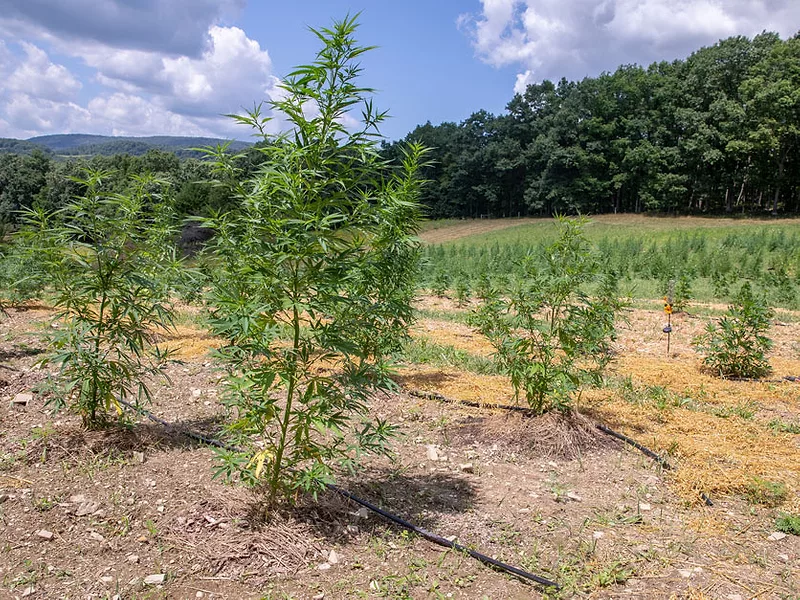
Meanwhile, the U.S. hemp industry has been expanding. Production reached $445 million in 2024, a 40% increase from 2023, and planted acreage rose to more than 45,000 acres, up 64% from the previous year. USDA will release its next national hemp report April 16.
