
The Trump administration’s recently released budget proposal has sparked significant reaction among those in farm and food policy. And for wheat growers, proposed cuts to Food for Peace, McGovern-Dole and key research programs raise real concerns.
Food for Peace and McGovern-Dole create demand for U.S. wheat, strengthen supply chains and project American leadership through action. These priorities are not just good policy; they’re a win for America First principles.
The same is true for public investment in agriculture research. American agriculture, particularly wheat, has long benefited from a strong partnership between farmers, USDA and land-grant universities. That partnership has driven innovation, increased productivity and kept U.S. farmers competitive globally.
Yet we are losing ground. China outspends the United States two-to-one in public agriculture research investment, a troubling trend we cannot ignore. The European Union, which promotes farming systems and policies that run counter to our model, is also investing more public dollars in ag research than the U.S. We must do better.
At a time when the administration is rightly focused on strengthening America’s competitive position, reducing investment in agriculture research moves us in the wrong direction. If we are serious about competing globally, we must reinvest in the science that powers American agriculture.
These proposed cuts come at a difficult moment for the farm economy. Growers are facing stubbornly high input costs and insultingly low commodity prices. Wheat prices today are roughly where they were in the mid-1970s. At the same time, farm bankruptcies are on the rise in many parts of the country.
Interested in more news on farm programs, trade and rural issues? Sign up for a four-week free trial to Agri-Pulse. You’ll receive our content - absolutely free - during the trial period.
NAWG urges the administration and USDA to take a closer look at these programs and their role in advancing U.S. interests. Sending U.S.-grown food to starving people and spurring innovation in agriculture are not fringe priorities; they are foundational to human decency, farm economy stability and American leadership.
Can program delivery be improved? Absolutely. When something on the farm isn’t working quite right, we don’t toss it in the dumpster. Instead, farmers roll up our sleeves, fix what’s not working and continue using a tool that adds value to our business. Humanitarian programs that purchase U.S.-grown crops add value across the entire farm economy.
NAWG calls on Congress to continue its long-standing bipartisan support for these critical programs. Investing in Food for Peace and McGovern-Dole ensures American-grown products reach global markets and vulnerable populations. Supporting agricultural research helps ensure U.S. farmers remain at the forefront of innovation. Both are essential if we are to avoid losing further ground to China and the European Union in the global race for agricultural productivity and food security.
NAWG encourages farmers to stay engaged. Reach out to your Members of Congress and urge them to cut through the noise and focus on what matters. Policies that invest in farmers, strengthen markets, and support innovation are not optional. They are essential.
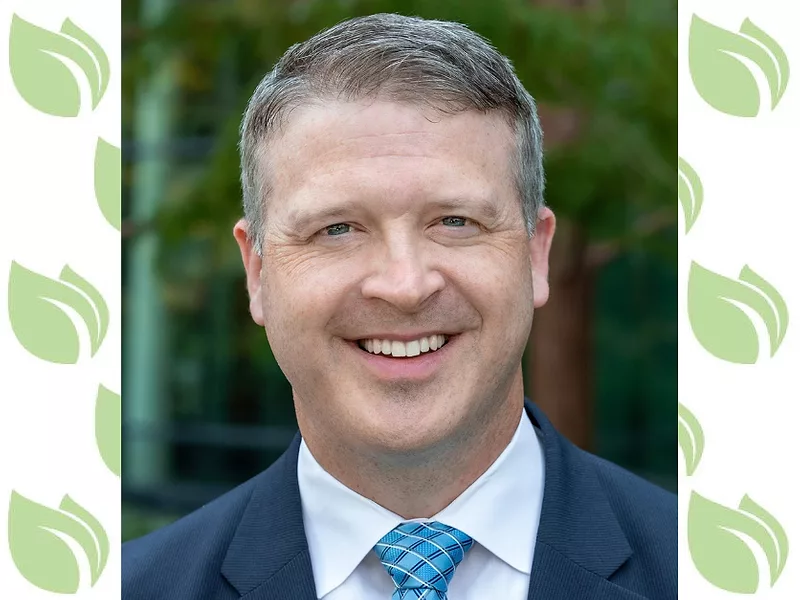
Sam Kieffer is CEO of the National Association of Wheat Growers.