
For decades, the Food for Peace program has represented the best of American leadership—providing life-saving assistance abroad while supporting U.S. farmers at home. Today, there’s a clear opportunity to strengthen this mission by moving the program from the State Department to the Agriculture Department, where it belongs.
At its core, Food for Peace is an agricultural program born of suggestions from Kansas farmers. Throughout its history, the Food for Peace program has relied on U.S.-grown commodities, American supply chains, and the expertise of farmers who produce the highest-quality food in the world. USDA understands agriculture, markets, logistics, and rural economies better than any other federal agency. Housing Food for Peace at USDA would improve efficiency, enhance accountability, and better align farm policy with humanitarian assistance.
First, moving Food for Peace to the USDA would streamline decision-making, reduce duplication, and ensure taxpayer dollars are used effectively. It would strengthen demand for U.S.-grown wheat and other commodities, support American farmers, and reinforce U.S. leadership through action. Unfortunately, the program has been dormant since it landed at the Department of State, missing significant opportunities to have a positive impact domestically and abroad.
Second, the benefits are real and tangible for farmers. Food for Peace has long been an important outlet for U.S. wheat, helping move reliable American-grown supplies into global markets. At a time when growers are navigating negative margins, trade uncertainty, and rising input costs, programs that promote and move U.S. commodities abroad matter. Placing Food for Peace at USDA ensures the program is administered with an understanding of how these policies affect farms and rural communities.
Third, just as important, Food for Peace remains a powerful tool for stability and peace around the world. Providing dependable food assistance helps prevent conflict, supports fragile regions, and reinforces America’s role as a trusted global partner. Food security is national security; these outcomes are not partisan – they’re practical, proven, and aligned with the long-term interests of the United States.
NAWG is working with a coalition of farm groups and stakeholders to advance this proposal in the halls of Congress and with the administration. This is unapologetic advocacy rooted in common sense. It reflects a bipartisan understanding of how agricultural programs work best when they’re managed by agricultural experts, and how strong farm policy can support both domestic prosperity and global stability.
In Washington, progress often comes from aligning good policy with clear priorities. Moving Food for Peace to USDA does exactly that. It helps farmers, promotes U.S.-grown wheat, improves efficiency, and continues to strengthen America’s leadership abroad, while protecting American jobs and sustaining a U.S.-flag maritime workforce. That’s a conversation worth having—and one NAWG will continue to lead.
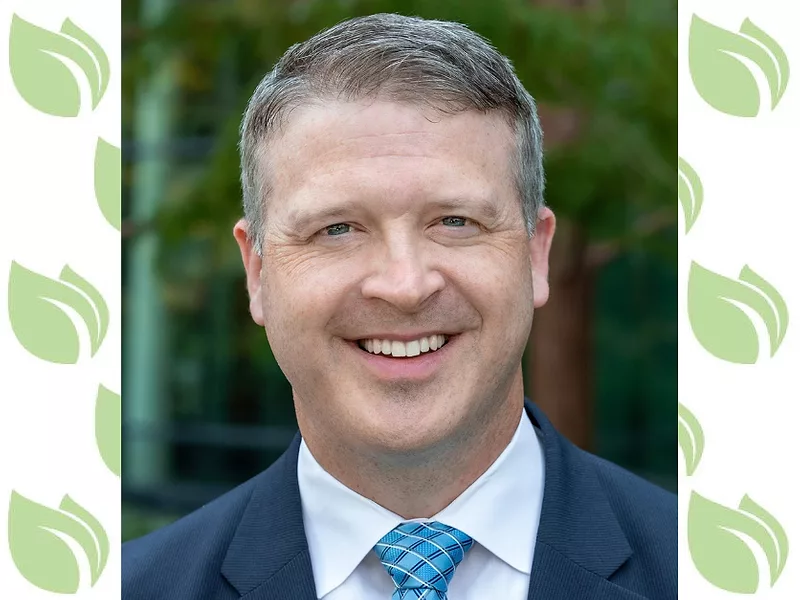
Sam Kieffer is CEO of the National Association of Wheat Growers.