
|
A proposal to steer $90 million in voter-approved climate bond money toward conservation easements on California rangelands has stalled in the Assembly, underscoring the tough fiscal competition facing natural resources programs this year.
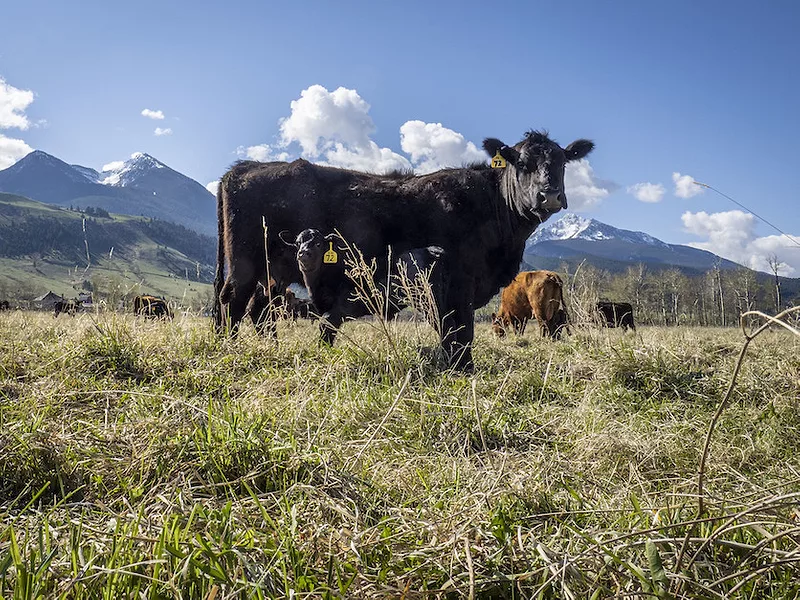
Assembly Bill 2627 by Asm. Gregg Hart, D-Santa Barbara, would have appropriated Proposition 4 funding for grants under the California Rangeland, Grazing Land and Grassland Protection Program. The money would have been used to acquire conservation easements on privately owned land that supports food and fiber production, along with ecosystem benefits like wildfire fuel reduction, groundwater recharge, wildlife habitat and scenic open space.
The Appropriations Committee blocked the bill from advancing after it cleared two policy committees without opposition.
Hart pitched the bill as a way to use bond dollars for the working lands side of the state’s conservation agenda. Voters approved the $10 billion climate bond in November 2024, greenlighting $870 million for Wildlife Conservation Board programs to protect and enhance fish and wildlife resources, habitat, public access and broader conservation goals. AB 2627 would have carved out $90 million of that amount for rangeland easements.
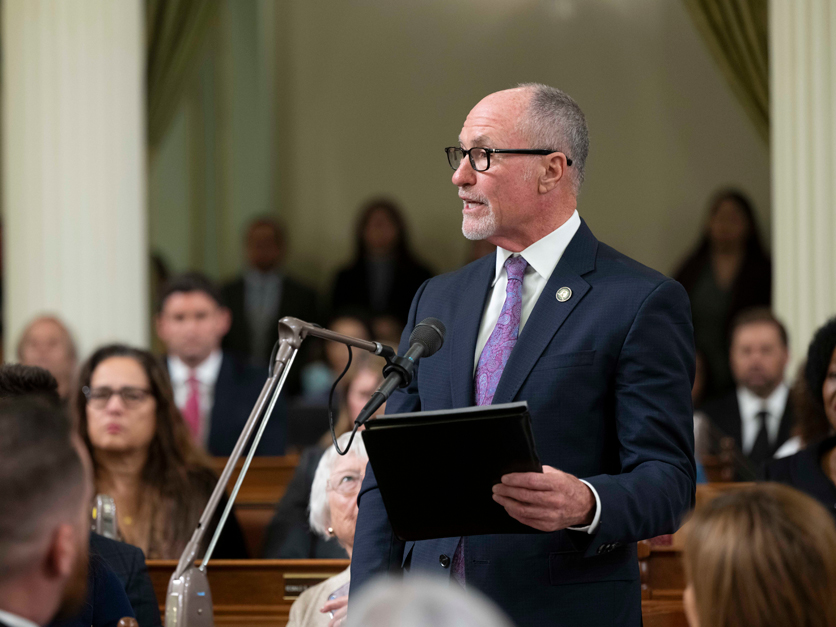 Asm. Gregg Hart (office photo)
“Voluntary conservation easements are one of the most cost-effective tools we have to protect these lands as they keep property in private ownership and on local tax rolls while preventing future development,” Hart told lawmakers last month. “For decades, California has been losing farmland and grazing land to urban development with over 1.6 million acres lost between 1984 and 2018. These lands are essential to our state's climate, resilience, economy and natural ecosystems.”
The bill drew support from the California Cattlemen’s Association, California Farm Bureau and American Farmland Trust.
Supporters framed the measure as both a conservation bill and a ranching bill. The existing program was created in 2002 to prevent conversion of rangeland, grazing land and grassland to nonagricultural uses; protect the long-term sustainability of livestock grazing; and preserve wildlife, water quality, watershed and open-space benefits from grazing.
Alyssa Rolen, communications director at California Rangeland Trust, said the organization has worked with 105 ranching families to conserve more than 430,000 acres but still has more than 70 ranches, covering more than 275,000 acres, on the waitlist. California continues to lose 47,000 acres of ranch and farmland over average each year.
It’s easy to be “in the know” about what’s happening in Washington, D.C. Sign up for a FREE month of Agri-Pulse news! Simply click here
“Through voluntary conservation easements, we partner with ranching families to ensure that these lands remain productive, resilient and protected for future generations,” said Rolen.
The proposal was also tied closely to the state’s 30x30 goal, which calls for conserving 30% of California’s lands and coastal waters by 2030. The California Natural Resources Agency’s latest report puts 26% of California lands and 22% of coastal waters under long-term conservation.
Rolen told lawmakers the state still needs about 4 million additional conserved acres to meet the land side of that goal.
In its support, the California Cattlemen’s Association pointed out that easements are more affordable than fee acquisition, often costing about one-third as much, while keeping properties on the tax rolls and in private stewardship.
Rolen added that managed grazing removes nearly 12 billion pounds of dry matter each year, reducing vegetation that can fuel catastrophic wildfires.
The measure would have allowed grants to cover up to 100% of a property appraisal and up to $75,000 in costs to record an easement.
The bill’s failure comes after a broader and more expensive rangeland proposal by Hart also died last year. AB 1311 would have appropriated $400 million from Proposition 4 for private rangeland conservation easements but was also held in Appropriations.

