
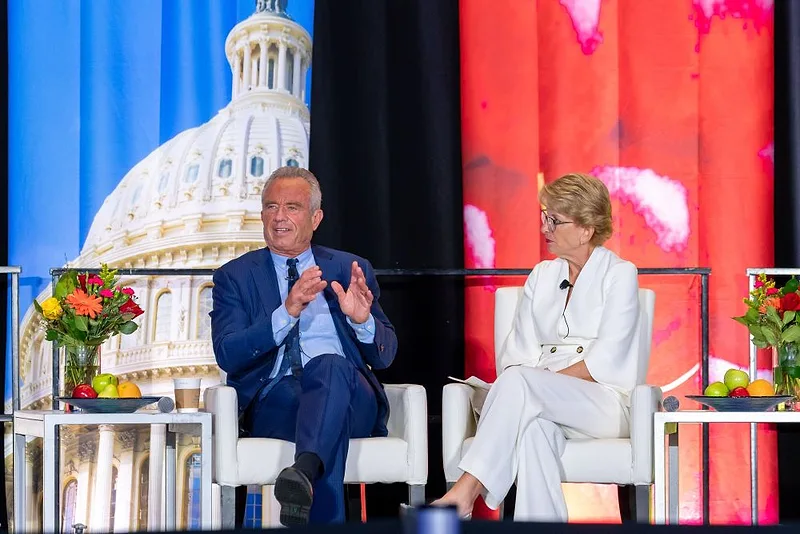
Health and Human Services Secretary Robert F. Kennedy Jr. told the produce sector his top priorities include developing a definition of ultra-processed food (UPF), then advancing color-coded front-of-pack-labeling and aligning federal food programs with the newly released dietary guidelines encouraging Americans to “Eat Real Food.”
Speaking to attendees at the International Fresh Produce Association’s Washington Conference, Kennedy said the UPF definition is currently under review at the Office of Management and Budget with a goal of unveiling a final publication in “the next couple of months.”
“One of the problems with regulating ultra-processed food is there is no definition, and as a result, you can't really regulate it,” Kennedy said, arguing that establishing a federal definition would provide the foundation for future policies aimed at improving Americans' diets and reducing chronic disease aligned with the mission of the Trump administration's Make America Healthy Again movement.
Kennedy told the popular Joe Rogan Experience podcast in February that the UPF definition could come as soon as April.
Claudine Kavanaugh, director of the Office of Nutrition and Food Labeling at FDA, told IFPA members Monday that there would be an opportunity for feedback on the federal definition.
IFPA was among groups that submitted comments to HHS and USDA last October on developing a definition. In addition to explicitly exempting raw fruits, vegetables and tree nuts from the definition, the association urged the agencies to recognize convenience and perishability.
“Value-added fruits and vegetables, like bagged lettuce, baby carrots and sliced apples, and others, should not be classified as processed simply because they undergo minimal handling that can improve fruit and vegetable consumption,” IFPA said.
Other industry groups filed comments discouraging the agencies from legally defining UPFs. The Consumer Brands Association, for example, said the term "ultra-processed food" “is not suitable for definition because it fails to differentiate based on nutrient content, lacks a scientific basis to isolate particular ingredients or processing steps, and its use would result in significant unintended consequences.”
But the definitional work is just the first step in Kennedy’s broader food‑policy agenda. Next up is a new front‑of‑package labeling system using red, yellow or green colors to signal overall food quality.
Cut through the clutter! We deliver the news you need to stay informed about farm, food and rural issues. Sign up for a FREE month of Agri-Pulse here.
“It will make shopping easier for Americans because people don't want to read the entire label and figure out what's good and what isn’t, so we're going to make that recommendation at the top,” Kennedy said at the IFPA event.
He received a round of applause when adding that "fruits and vegetables would get a green light.”
Kennedy also said the administration plans to use its purchasing power to align federal nutrition programs — including school meal programs, hospitals and prisons — with the newly released Dietary Guidelines for Americans over the next six months. Kennedy said that would bring more "real food" to the programs, including fruits and vegetables, while encouraging a shift away from highly processed products.
He also highlighted his vision to make medical records accessible on personal technology devices. Through partnerships with more than 600 technology companies, Kennedy wants to give the public access to their medical records on their personal devices so consumers can use apps at the grocery store to receive personalized purchasing recommendations.
“You'll be able to shine your cell phone onto the label, and it will tell you whether you personally should purchase that product,” he said. “We're going to see more and more of that kind of use of technology that’s again, driving people towards eating better foods.”
How does the MAHA movement measure success?
Asked by IFPA CEO Cathy Burns about what success would look like for the Make America Healthy Again movement, Kennedy pointed to measurable improvements in public health and changes in consumer eating habits aligned with the new dietary guidelines.
"I'd like to see people who are selling fruits and vegetables have much more of the market share," Kennedy said, citing increased consumption of fresh produce as one indicator that Americans are moving away from ultra-processed foods.
Also speaking at the event Tuesday, Health and Human Services senior adviser Calley Means outlined a 10-year journey from a “different policy framework on the supremacy of food to reversing the chronic disease crisis.”
Means touted efforts by the Trump administration and almost 30 governors to remove foods like soda and candy as options under the Supplemental Nutrition Assistance Program and described a multi-pronged approach to removing ultra-processed foods from school feeding programs, as well as food consumed in hospitals, military installations and prisons.
He said “tens of billions of dollars of government procurement money” is going to move from UPFs food to fresh food and fruits and vegetables within the next decade. That move, Means said, needs to be “holistic” in nature, which also involves nutrition education and training.
“We're working with chefs, celebrity chefs, and top people who are going to make that food delicious,” he added.
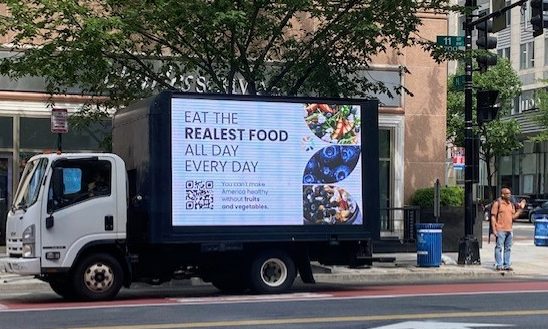 A billboard truck features IFPA's message, "Eat the realest food all day, every day." (Agri-Pulse photo)
The message comes as the IFPA and Foundation for Fresh Produce launched a new “all day, every day” campaign highlighting the new dietary guidelines recommendation that fruits, vegetables and whole foods are a foundational part of every person’s diet.
A billboard truck spotlighting MAHA-themed messaging about the role of fruits and vegetables in national food policy will be circulating on Capitol Hill throughout the week. The foundation is promoting recipes, cooking tips and other ways to increase produce consumption on fruitsandveggies.org.
Means said efforts from both the public and private sector have driven “historic market changes” in the past year with increased fresh food purchases. “There's the real cultural moment where both leaders outside of government and the government say the same: eat real food. I think it's going to have a real impact,” Means said.
Kennedy also said he would like to see significant declines in obesity, diabetes and heart disease rates, arguing that improvements in nutrition could help reverse the nation's chronic disease burden.
He noted that national obesity rates have declined by nearly 2% over the past year, calling the trend an early sign of progress. He did not mention the widespread adoption of GLP-1 drugs over the same period.

