
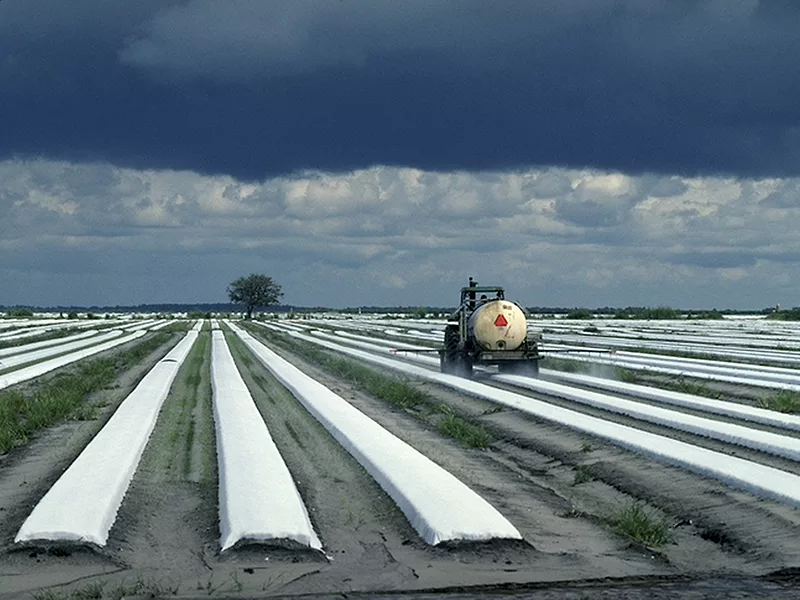
California pesticide regulators are proposing a major overhaul of enforcement rules for pesticide use violations, a move that could mean steeper fines and more scrutiny for growers, applicators, pest control businesses and other regulated operations when violations involve worker, bystander or environmental risks.
The Department of Pesticide Regulation says the package is the first significant update to its enforcement response regulations since 2006. The rules guide county agricultural commissioners, who carry out pesticide inspections, investigations and enforcement across California’s 58 counties under DPR oversight.
The proposal would create a new Class A(1) category for violations that cause a human health hazard, with a minimum penalty of $3,000. DPR would also create a Class A(2) category for violations causing property or environmental hazards, with fines ranging from $1,200 to $15,000. Class B violations would remain a broad category for other violations, but the minimum fine would rise from $250 to $300.
Cut through the clutter! We deliver the news you need to stay informed about farm, food and rural issues. Sign up for a FREE month of Agri-Pulse here.
DPR says the changes are meant to reduce county-to-county variation, ensure the most serious violations receive stronger penalties and address repeat violations. The proposal would require county agricultural commissioners to consider statewide enforcement history when setting penalties for Class A violations. Repeat Class A violators would face at least a 20% penalty increase, depending on the prior violation and current classification.
The department also wants counties to look further back when deciding whether a compliance action, rather than a fine, is appropriate for some Class B violations. That review period would expand from two years to five years, phased in between 2028 and 2030. DPR says the longer review window would help identify patterns of negligence or systemic compliance problems.
Additionally, the proposal would require counties to prioritize civil penalty actions for the highest-class violation in an incident, rather than focusing on lower-level violations when multiple violations occur. For serious human health incidents, counties would have to send proposed penalty actions to DPR for review before issuing them.
Another key change would require counties to notify prosecutors earlier in reportable pesticide investigations and give district attorneys, city attorneys or circuit prosecutors opportunities to participate or pursue civil or criminal enforcement. Multijurisdictional priority investigations involving violations would have to be referred to DPR for possible state-level enforcement.
DPR says the proposal does not affect lawful operations and would not impose significant statewide economic impacts on businesses. The department estimates an average cost of $324.80 among noncompliant businesses cited for Class A, B or C violations.
Written comments are due July 28, and DPR will hold virtual hearings in July.

