
America's farm economy is facing significant challenges. Agriculture depends on certainty, predictability, access to capital and policies that reflect the realities producers face every day. That's why the agriculture provisions in the Working Families Tax Cuts package were so important. Congress recognized what farmers and ranchers have been saying for years: we need more farm in the farm bill.
We delivered by strengthening key farm programs, modernizing the farm safety net, enhancing risk management tools, investing in research, doubling funding for our trade promotion programs, and expanding access to affordable crop insurance. The Working Families Tax Cut was “Farm Bill 1.0.”
While there is more work to be done, “Farm Bill 1.0” provides meaningful certainty and support to farmers, ranchers and rural communities that will help them remain productive and competitive, as well as resilient, for generations to come.
While these historic investments were achieved in an untraditional manner, the result was passage of the bulk of the policies rural America relies on that desperately needed updating.
Cut through the clutter! We deliver the news you need to stay informed about farm, food and rural issues. Sign up for a FREE month of Agri-Pulse here.
Now it’s time to address what remains. The “Farm Bill 2.0” text I will release this week will build on the successes delivered last year.
It will reflect bipartisan ideas already on the table — many of which have been developed through months, even years, of collaboration with producers, rural America’s stakeholders and lawmakers on both sides of the aisle. There is no shortage of practical solutions. What’s needed is the political will to reach consensus and finish the job.
One of the most urgent priorities is updating USDA’s loan limits. Land values, equipment costs and operating expenses have all increased, often exceeding current caps. Modernizing USDA loan limits isn’t controversial. This idea has bipartisan support because it’s common sense. My discussion draft text will increase these loan limits, which will provide the necessary financing options important to beginning farmers and established producers alike.
Beyond boosting credit access, “Farm Bill 2.0” will provide a long-term commitment to rural communities by continuing to invest in the necessary infrastructure and services that allow them to thrive. Leveraging federal resources in these areas helps them remain viable. Failing to reauthorize programs that deploy rural broadband and help sustain vital water systems would be detrimental to the agriculture industry and the communities it supports.
The House has done its job, and I commend Chairman Thompson on a job well done. Now it’s the Senate’s turn to deliver on “Farm Bill 2.0.” The bipartisan vote in the House serves as both a roadmap and reminder of the reason we need to make these critical updates: to support America’s farm families, focus on common ground and get it done.
Agriculture has long been an area where bipartisan cooperation is not just possible but expected. The challenges facing producers don’t fall neatly along party lines, and neither do the solutions. “Farm Bill 2.0” is an opportunity to demonstrate that Congress can still govern in that spirit.
My Senate colleagues on both sides of the aisle have urgently called for measures to help farmers –– it’s now time to act.
My “Farm Bill 2.0” discussion draft is a starting point. I look forward to productive discussions with my colleagues to secure the 60 votes necessary to pass a bill that reflects good, thoughtful ideas to make producers’ lives easier and uplift all of farm country. One thing is certain: a vote for this farm bill will be a vote for farmers, ranchers and rural communities. Now is the time to stand with them and deliver a farm bill they deserve.
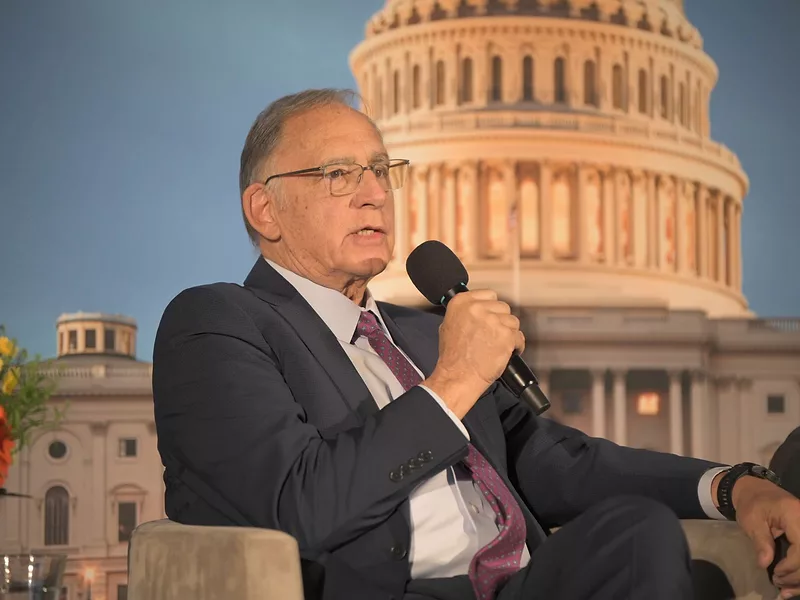
Sen. John Boozman, R-Ark., is chairman of the Senate Agriculture Committee.
| To submit an opinion piece, contact Agri‑Pulse Editor in Chief Sarah Gonzalez. Opinion submissions should be 750 words or fewer, address an agricultural policy issue and include a photo of the author. |
