
In 23 years as a legislative and congressional aide for Republican Doug LaMalfa, Brenda Haynes logged tens of thousands of miles on the winding country roads of far northeastern California. After LaMalfa died in January, she went to work for his elected replacement, Rep. James Gallagher, R-Calif.
The vast region surrounding Redding, where Haynes lives, is about to become a focal point in the fallout from the congressional redistricting wars being waged by several states. Last year, California overwhelmingly passed Proposition 50, its redistricting initiative, in response to a GOP-leaning gerrymander in Texas. California’s measure sought to displace five Republicans, including LaMalfa.
Starting in January, the resource- and agriculture-intensive northern counties will be melded into the coastal district now represented by Marin County Democrat Jared Huffman, a Bay Area champion of environmental causes. LaMalfa and Huffman often sparred over environmental issues, most notably in 2023 over a climate video.
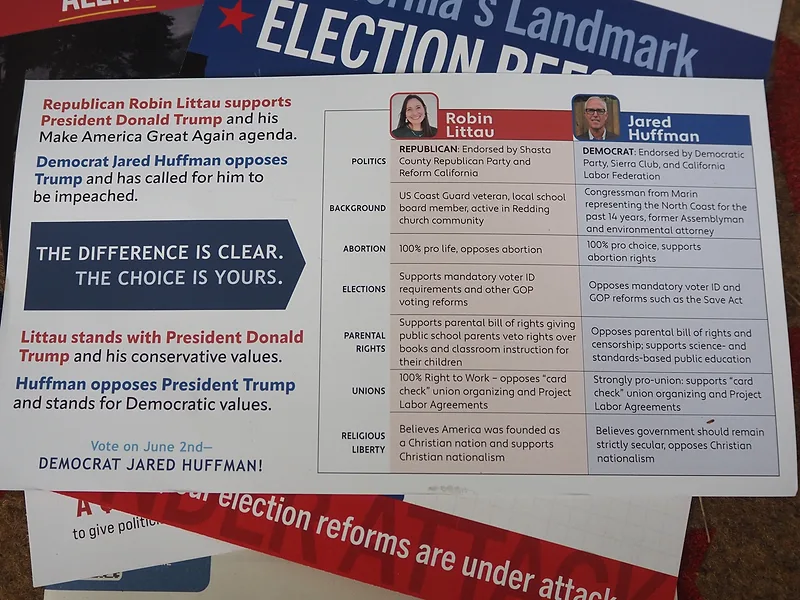
In the June 2 primary, Huffman won with 56.5% of the vote. Republican Robin Littau, a Redding school board member, was second with 11.4%. They’ll face off in November in District 2, where 42% of voters live in Marin and Sonoma counties.
The far-flung, dogleg-shaped district – which stretches to Modoc County in California’s northeast corner – is a microcosm of scenarios emerging across the country on both sides of the political spectrum, as rural areas are paired with more urban ones to dilute one or the other party’s votes.
Cut through the clutter! We deliver the news you need to stay informed about farm, food and rural issues. Sign up for a FREE month of Agri-Pulse here.
In Texas, rural congressional districts are being effectively diluted as mapmakers have used them to absorb portions of growing, left-leaning urban populations, Houston Public Media notes. For example, sections of Austin and Dallas have been combined with deep-red r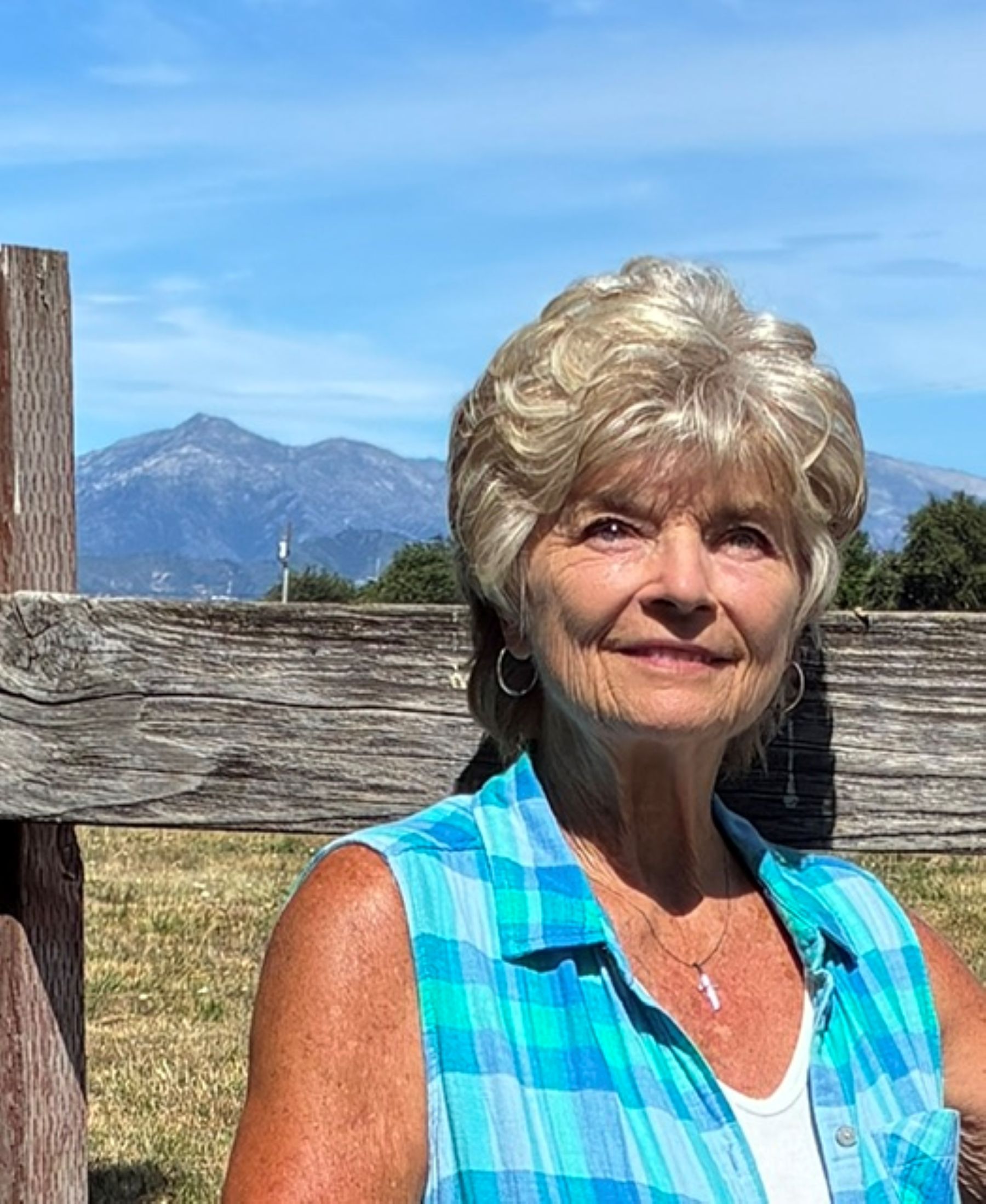 Brenda Haynes, seen on her small farm south of Redding, Calif. (Haynes photo)ural areas hundreds of miles away.
“In general, we’re seeing reductions in agriculture’s share in these new congressional districts,” said James Sayre, an agricultural and resource economist at the University of California, Davis. “I think it’s a bipartisan issue. When you’re drawing these districts, you have many different stakeholders with wildly different interests … I think in general, agricultural stakeholders have lost out from this polarization in politics.”
The changes could have significant impacts on farm policy, he said. For instance, “we’re going to have a lot more new congressional staff” who haven’t historically focused on agriculture now having to learn quickly, Sayre said.
For rural voters, a perceived loss of representation in Congress may reinforce the importance of local government as a bulwark against federal decrees. The National Association of Counties recently created an online hub for counties to use in their advocacy, speaking to why the county voice is so important to shaping policy.
“County government is where decisions get made closest to the people – and that makes local engagement not just important, but essential,” said Eryn Hurley, NACo’s chief government affairs officer. “Counties are on the front lines of delivering services, implementing policy and responding to community needs. Public participation in that process can have a real impact.”
NACo has also pushed for permitting reform in the current Congress, which would strengthen the decision-making role counties already have through the coordination process under the National Environmental Policy Act.
Modoc County has frequently invoked coordination in its dealings with the U.S. Forest Service, but that only works with agencies and not Congress, said Ned Coe, a cattle rancher and chairman of Modoc’s Board of Supervisors.
Farmers and ranchers can also affect policy by getting actively involved in their local Farm Bureau or commodity group, said Coe, a regional manager for the California Farm Bureau.
“It’s always been important,” Coe said. “But for those of us in the post-Prop 50 Congressional District No. 2, it’s even more important.”
