
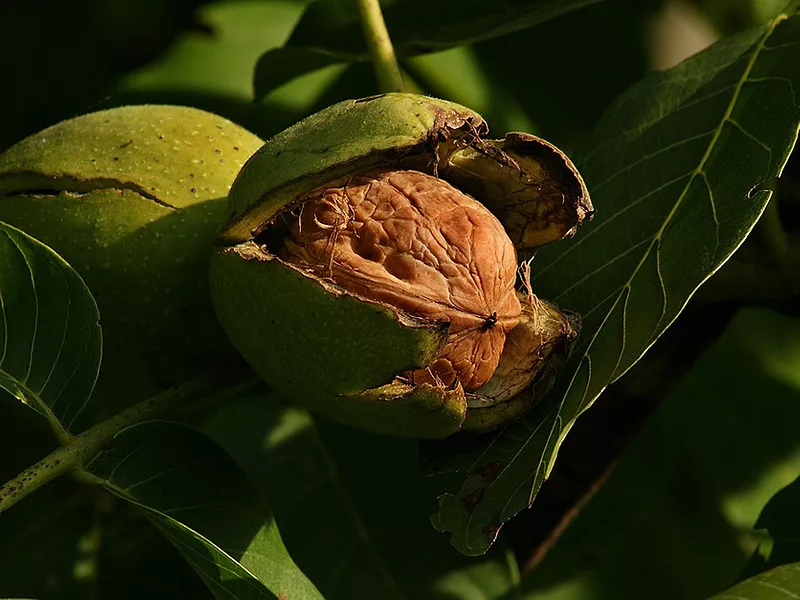
The Council of the European Union and European Parliament approved regulations to remove tariffs on U.S. nuts, fruits, vegetables and lobsters as well as establish a tariff-rate quota for 500,000 metric tons of tree nuts to enter the EU market.
The council approved two resolutions on June 25 as part of a bilateral agreement between the EU and U.S., effective July 1. The Trump administration agreed to cap tariffs at 15% on EU exports, including steel and aluminum that is subject to higher levies.
“This is a MAJOR win for American farmers,” Agriculture Secretary Brooke Rollins said on X on July 1. “This new deal will provide BILLIONS in new market access and export opportunities for our farmers, ranchers, and food producers.”
Rollins said that the agricultural trade deficit with the EU hit $23 billion under the Biden administration, accounting for nearly half of the United States’ overall agricultural trade deficit. The deficit was projected to hit almost $50 billion at the start of President Donald Trump’s second term. The latest trade forecast projects that number to fall to $29 billion, per the USDA.
“The EU and the United States share the world’s largest and most integrated economic relationship,” Michael Damianos, the Republic of Cyprus’ minister of energy, commerce and industry, said in the June EU announcement. “We are and will remain a trusted and reliable partner in global trade.”
U.S. commodity groups applauded the lifting of the tariffs.
“The quota basis tariff reduction provides access to an important market, which is the walnut industry’s largest export market, importing about 30% of global supply,” the California Walnut Commission said in a statement. The commission is a California state agency that aims to expand export market development.
The commission said that the removal of tariff barriers would improve market access for European importers, distributors, retailers and consumers to purchase California walnuts. The state produces more than 99% of the walnuts grown in the U.S. and accounts for approximately half of the global walnut trade, according to the commission.
The National Fisheries Institute backed the agreement’s framework when it was announced.
Cut through the clutter! We deliver the news you need to stay informed about farm, food and rural issues. Sign up for a FREE month of Agri-Pulse here.
“Growing market access for U.S. seafood, like lobster, has been a tenet of NFI’s trade advocacy work,” Lisa Wallenda Picard, NFI’s president and CEO, said in a Aug. 21, 2025, press release.
“These types of wins will have a demonstrable impact on U.S. companies, while providing European and other consumers premium, sustainable U.S. seafood products,” Picard said.
The lifting of levies on U.S. lobsters signals a return to the status quo. The EU removed tariffs on U.S. lobsters for five years in 2020 to reduce the cost of imports during the COVID-19 pandemic.
The 0% tariff on lobster will retroactively be applied from August of 2025, dating back to when the original agreement expired.
The EU also removed tariffs on other agricultural products, including dairy products, pork and bison meat and seeds, among others.
The countries reached the agreement on July 27, 2025, after Trump imposed a 20% tariff on the EU on April 2 as part of his global levies. The administration also imposed higher sectoral tariffs. The 20% baseline tariff later dropped to 15% on July 31, 2025, after negotiations.
The U.S. Supreme Court decided that the administration didn't have the authority to impose the so-called reciprocal tariffs through the International Emergency Economic Powers Act, but Trump was able to reimpose a global 10% tariff using Section 122 of a 1974 trade law. The other sectoral tariffs still remain.
