
The new head of the United Soybean Board says she will stress innovation and communication when she takes over leadership of the checkoff organization in October.
Courtney Knupp, who is currently a USDA political employee detailed to the National Security Council in the White House, said in an exclusive interview with Agri-Pulse Wednesday, her first since she was named CEO, that she’s excited to take on her new role, particularly since she grew up on a soybean farm in Iowa.
She called herself a “fervent believer in the United States checkoff system, and I'm really excited about the future of U.S. soy.”
“I've seen countries around the world that do not have a unifying force for commodities that can represent the category, and it's put them at a considerable disadvantage in having a collective voice and value proposition,” she said.
Knupp made it clear she was speaking in her personal capacity, not as the USB CEO, since she is still a federal employee until early September.
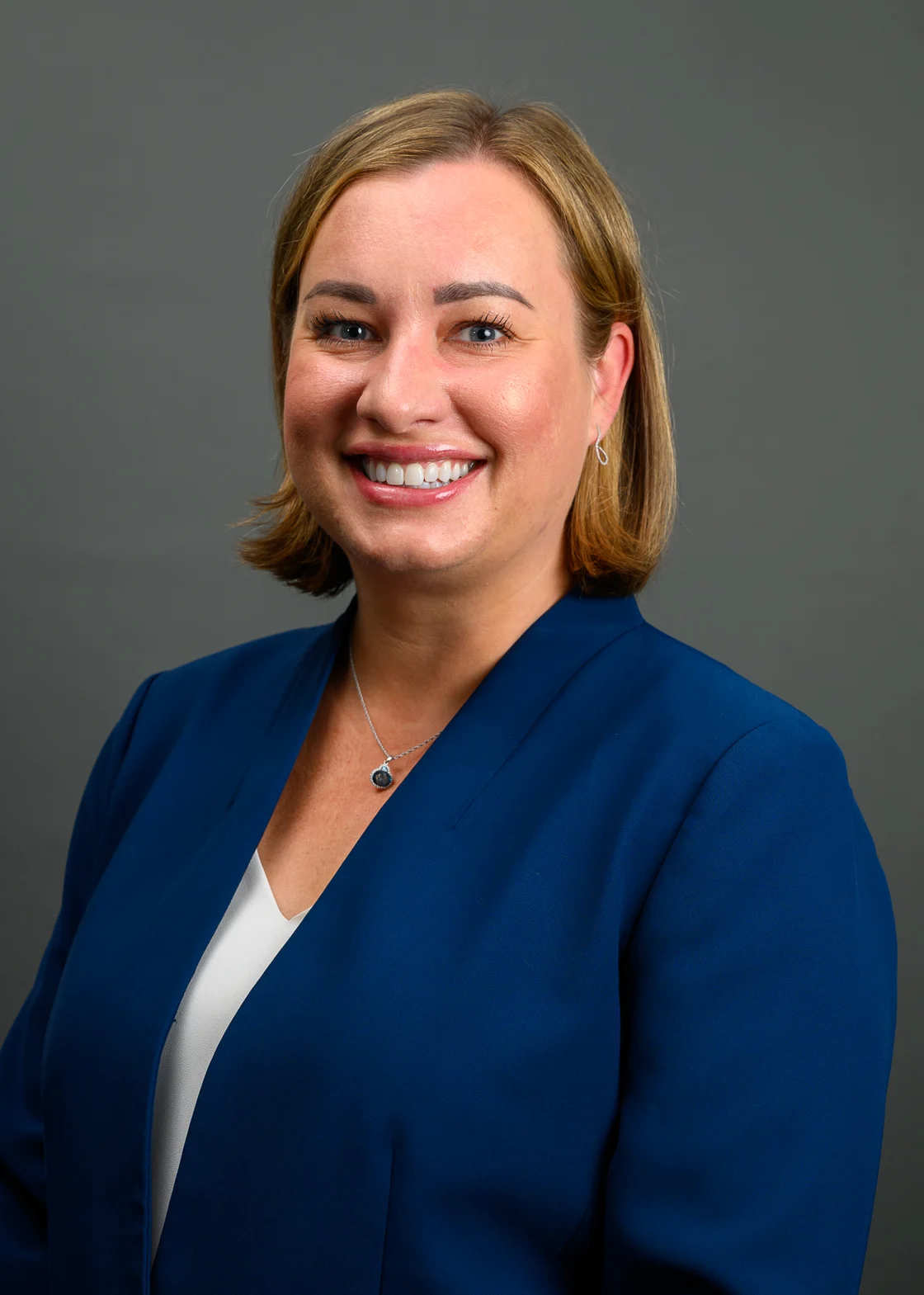 Courtney Knupp (USB photo)
She comes into the job as USB is “going through some transformational change,” she said. USB’s board of directors recently laid off several staff members, including part of its communications staff.
“The board of directors has been very intentional” about the changes it’s making, Knupp said, adding that she did not have “the hands-on acumen to be able to comment" on staffing changes. "I do look forward to getting started Oct. 1 and figuring out what do we need for resources and structure to fit the strategy.”
Asked about her top priorities, she listed working with partners, innovation and communication.
Knupp said she wants to “solidify our partnerships, potentially exploring some new ones. That’s inclusive of research institutions, that's inclusive of state soybean organizations, other checkoffs, and of course the allied industry.”
On innovation, she noted, “We have a lot of soybeans in this country, and we win when we can add more value to them in the United States. We're seeing increased crush, which means we have more meal to utilize. We're seeing more and more application and use for oils.”
“Our export customers continue to be very important to our business,” she said, adding that she wants to “make sure we diversify our markets and create opportunities where we're getting value beyond just being a price commodity.”
In that vein, she said that “seeing innovation in the bio-based markets, biofuels, innovations like soy foam will be continually more and more important to utilize the crop and get the most value out of it.”
The market for soy-based firefighting foam has grown in recent years due to increasing concerns about toxic PFAS chemicals in firefighting foam. Soy foam does not contain the chemicals.
Communicating about the USB’s work will be critical, Knupp said.
“We must continue to tell people why [the soy checkoff] matters and make it relevant to them,” she said, stressing “better communication to our farmers for how we're delivering for them, to our consumers about what soy means for their daily life, and to our global customers.”
“We're in a very interesting time for farmer profitability, and the multiple challenges which we see as opportunities to support research, education, and promotion,” she said. “How can we find new uses for soy? How can we mobilize the resources of the checkoff?”
She replaces former CEO Lucas Lentsch, who resigned from the organization in February. Darryl Chatman, USB’s executive vice president of compliance, has served as interim CEO.
Knupp has nearly two decades of experience spanning agriculture, international trade, public policy and market development. She has been a senior policy adviser at USDA on trade and food safety, and her checkoff and export experience includes serving as vice president of international market development at the National Pork Board, where U.S. pork exports grew to $8.6 billion, and as director of global animal and aquaculture nutrition at the U.S. Soybean Export Council, where she led strategy to increase the value of U.S. soybean and soybean meal exports.
She grew up on her family’s farm in Iowa, where she remains engaged, and earned a bachelor’s degree in agricultural business and international agriculture from Iowa State University.
“When this position came up, I couldn't be more excited to potentially be a part of that. And that's my ‘why.’ I really believe in all these things, and I'm excited to be going to help create more value beyond just price for our farmers.”
For more news, go to Agri-Pulse.com.

