
As thousands of employees depart USDA, one area hit particularly hard is the Rural Development mission, which facilitates financing for everything from housing, hospitals and processing plants, to biofuel infrastructure and electric cooperatives.
Former Rural Development employees warn that staff losses would delay providing information on dozens of programs. Some are willing to be identified but others asked for anonymity because they took deferred resignation to be paid through September and did not want to jeopardize job searches.
"My biggest concern right now is South Dakota and how our rural communities go forward, because so many of [them] depended on rural development for things like infrastructure,” said Nikki Gronli, the former RD director in that state, mentioning projects to provide clean water, roads, fire trucks and ambulances.
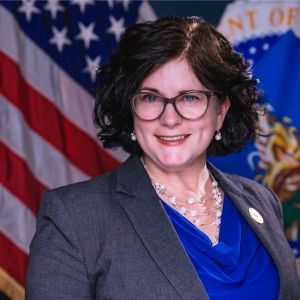
Nikki Gronli (LinkedIn)
Gronli estimates a quarter of the South Dakota staff is gone and that she is hearing “very similar things” from other state directors, “where a quarter to half the staff in a lot of places are gone.”
A former employee in Pennsylvania who took the second buyout opportunity at USDA said about half the staff in that state’s RD office are leaving, which means about 30-35 remain.
And in West Virginia, a former employee said that from January to the present, the number of RD employees in the state fell from approximately 55 to 35 and “our local HR guy here was expecting it to probably be about a 50% reduction in staff, when it was all said and done.”
The National Rural Water Association has been trying to track the staff reductions that have already occurred in the 47 state RD offices, but has found the task difficult, as USDA is providing no information on staffing.
“Some RD state offices, such as New Mexico, Utah and Florida, have told our state affiliates that they no longer have staff to service water and wastewater projects and have suspended working on them,” said Charles Stephens, NRWA senior executive policy director.
No job listings for RD online
A USDA spokesperson did not respond to an email seeking comment on reorganization plans and the number of RD employees. The "Careers at Rural Development" webpage has no listings for the mission area, which had about 4,600 employees as of fiscal 2024.
Rural Development also is expected to be hit in USDA's upcoming reorganization plan. During a recent interview, Agriculture Secretary Brooke Rollins specifically cited RD programs as among the ones the administration is looking at consolidating or moving. “There are 12 agencies that deal with rural prosperity and rural programming, and not that some of that won't remain, but this is the first time maybe that our country is taking a really hard look at how we organize our government," she said.
Cut through the clutter! We deliver the news you need to stay informed about farm, food and rural issues. Sign up for a FREE month of Agri-Pulse here.
RD, which includes the Rural Housing Service, the Rural Business-Cooperative Service and the Rural Utilities Service, had a budget of $4.6 billion in fiscal 2024. USDA sought a slight increase in fiscal 2025, to $4.67 billion, which included $77 million to support an added 77 full-time staff.
The department’s FY25 budget justification to Congress said that in the past two decades, “RD staff has declined significantly while program level funding has increased. … In 2023, RD’s workforce obligated $27.15 billion in loans and grants, serviced a portfolio of $233.82 billion and 1.14 million loans.”
The department said in that document that “it is essential that RD continues to increase its staffing levels, especially because of the new, more comprehensive programs being implemented, such as climate-smart building requirements in the housing programs, that require more time to review and evaluate applications and to obligate the funding. Providing additional program funding without building the capacity to deliver on those programs means the full potential for those programs may not be realized.”
Gronli said RD funds a wide variety of infrastructure programs. On a bus tour recently of Madison, South Dakota, held to highlight such investments, she said, “Everything from the hospital to a daycare that's going up, small businesses, a large manufacturer, all had Rural Development money.”
“It is really sad,” she said. “USDA Rural Development is the only area of government that was really focused on economic development for small rural communities. So, it can be devastating.”
A former D.C.-area employee who knows the Rural Business-Cooperative Service said about half the programs at RD were run by RBCS. Those include guaranteed loans for meat and poultry processing expansion, fertilizer expansion grants and a new program providing guaranteed loans to expand timber production.
“We have programs set up to help [communities] fund those types of big capital infrastructure projects. And it was awesome. It was a great job,” said the Pennsylvania employee.
He’s worried that people calling in to get help with housing programs, including senior citizens who might have trouble navigating the internet, won’t get the help they need.
“Who's going to be on the phone all day long, answering the questions?” he asked. “The specialists that I worked with are literally on the phone all day with elderly folks.” Some RHS programs, he said, are specifically for people 62 years of age and older, on fixed incomes, “and they're not going to be able to get on the internet and fill out these forms.”
Half the housing staff in Pennsylvania is no longer with the agency, including a person who moved from a western state to Pennsylvania “to make a life here,” this person said. In the end, “peace of mind” won out over sticking it out, the Pennsylvania worker said.
The loss of employees at the local level will result in reduced levels of service for producers and other people seeking federal assistance, the D.C.-area employee said.
“That's where you're getting people coming in who want to see someone and put a face to a program or to a mission area. Especially with some of your older farmers or minority small business owners, there's a lot of trust that needs to be built, especially with new applicants for these programs. You can only do that with having people on the ground in these states and in these area offices.”
The West Virginia employee chose to leave because it was the best decision for his family. “I also feel like I didn't really have a choice,” he said. “I was probably going to get terminated anyway,” mentioning the looming threat of reductions in force.
Employees say leadership has not shared plans
Like other USDA employees Agri-Pulse has interviewed in the first 100 days of the Trump administration, he said one of the most difficult parts of the past few weeks has been not knowing what the future holds, as probationary workers were fired and USDA sent out multiple emails urging employees to take buyouts.
“It’s just the fact that not knowing when you're there, it affects your work. You’re constantly wondering if you're going to get an email, if you're going to lose your job. It is taxing right now to be a fellow federal employee. They’re under a lot of stress, and so even the ones that are staying there, it's got to be impacting their work. I mean, you can't be as productive when it's such a difficult environment to work in.”
He said he is registered as an independent and “leans conservative.” A military veteran, he said he did not like the way people were treated. Probationary employees, for example, were told they were let go for performance reasons, a justification that a federal judge found was a “sham” rationale.
“I just think people deserve to be treated with dignity and respect, especially when [so many] of them are veterans and fought for their country,” he said.
The former D.C.-area RD employee said firings, rehirings and buyouts have created “a lot of confusion. People don't know who to report to. And then, of course, there are the losses in efficiency and effectiveness, as people are let go, brought back, let go again, and you end up paying for months of nonwork, and that's not efficient.”
He also said the loss of subject matter experts would be detrimental. “You lost those people,” he said. “And because you got rid of the folks that were just hired in the last year or so, you lost the next generation of federal workers.”
What’s left, he said, is “that kind of weird middle ground of employees who have picked up some of it but may now also be looking elsewhere for employment because they're in the middle of their careers, they might not want to continue in that kind of uncertain environment.”
The administration is not communicating its plans, which reportedly include a reorganization to be announced next month, which may or may not involve transferring agencies and personnel to regional hubs.
“The only things I've heard from the folks I'm still in contact with is that they really haven't received any information,” said the D.C.-area employee.
For more news, go to Agri-Pulse.com.

