
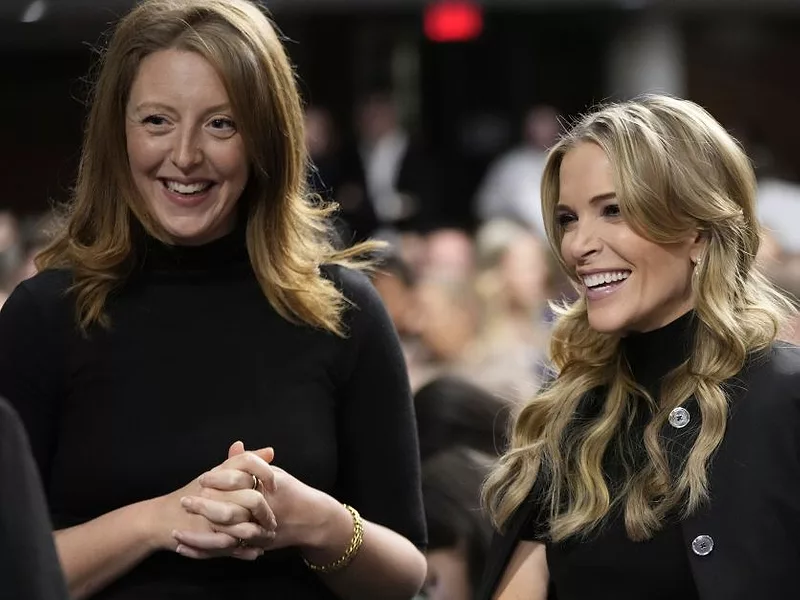
Some consumer health advocates are criticizing the choice of Casey Means, one of the most prominent members of the "Make America Healthy Again" movement, to become surgeon general. Agricultural groups seem to be adopting a wait-and-see attitude before the Senate considers Means’ nomination.
Means is credited with helping jump-start the MAHA movement with her book, “Good Energy” on metabolic health, which became a New York Times bestseller. She also is chief medical officer and co-founder of Levels, a company that sells continuous glucose monitors.
Means co-wrote the book with her brother, Calley Means, an ally of Health and Human Services Secretary Robert F. Kennedy Jr., who is a health adviser in the White House.
Means was picked to be surgeon general when President Donald Trump withdrew the nomination of Janette Nesheiwat after an investigation showed she had misrepresented her medical credentials. Right-wing activist Laura Loomer also criticized Nesheiwat for advocating for the COVID vaccine.
Means’ nomination also has raised some hackles in the MAHA universe, with former RFK running mate Nicole Shanahan criticizing both Calley and Casey Means. Supporters and opponents of her nomination have been squaring off on social media.
Means’ nomination has prominent critics. In an op-ed in The Hill Tuesday, recently departed Surgeon General Richard Carmona said, “Americans deserve a surgeon general with the highest level of expertise and a proven record in public health — not a symbolic figurehead or media influencer.”
He said Means "holds a medical degree from a respected institution, but her professional qualifications raise significant concerns. She is not board certified, does not hold an active state medical license, never completed a medical residency and lacks substantial experience in clinical practice, public health, policy and scalable leadership.”
Means went to medical school at Stanford but later dropped out of her residency at Oregon Health & Science University. For Kennedy dropping out of residency is a selling point for Means. He said “Casey is the perfect choice for Surgeon General precisely because she left the traditional medical system — not in spite of it. Her leadership has inspired many doctors to reform the system and forge a new path away from sick care, which fills corporate coffers, and toward health care, which enriches all of us.”
“The absurd attacks on Casey Means reveal just how far off course our healthcare conversations have veered, and how badly entrenched interests – including Big Food and its industry-funded social media gurus – are terrified of change,” Kennedy said on X.
Skepticism about whether the Trump administration can really make America healthy again comes not just from food interests but also from consumer groups.
In a statement to Agri-Pulse, Scott Faber, senior vice president, government affairs at the Environmental Working Group, said, "Everyone agrees that we should reduce toxins in our food, including President Trump. So, it should be no surprise that the president has nominated an advocate for safer food."
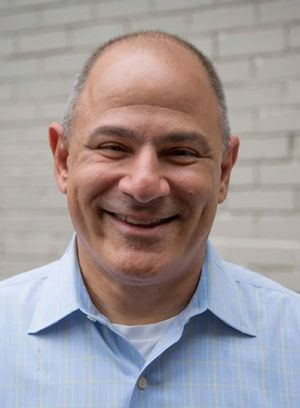 Scott Faber
But so far, the second Trump administration has “made our food less safe, not safer, by firing food safety experts, rolling back rules regulating pathogens and delaying efforts to trace the source of outbreaks,” Faber said. “Regulators enforcing tough rules is what is needed to make our food safer – a notion this administration, so far, does not seem to support."
The Center for Science in the Public Interest, a consumer advocacy group, is no fan of Means. In a statement, President Peter Lurie said the job of surgeon general “is not an entry-level position” but instead is “traditionally occupied by a practicing, licensed physician with considerable clinical or public health experience. On paper, Dr. Casey Means lacks this key credential.”
Lurie went further, however, saying that Means “has taken some breathtakingly misinformed positions on matters of public health,” including her promotion of raw milk consumption.
“The question is whether senators have learned anything from the Robert F. Kennedy Jr. confirmation debacle,” Lurie said. “He provided enough reassurance on vaccines to convince some to vote for him – and now he has set about undermining public confidence in vaccines and the process by which they’re approved. Let’s not make that mistake again.”
Means links pesticides to chronic disease
Means writes in her online newsletter that “the single most effective strategy that I believe can solve the pressing human health and environmental issues facing our globe” is “restoring sustainable agriculture practices that contribute to biodiverse soil and nutrient-rich food, and moving away from industrial agriculture that uses toxic synthetic pesticides.”
She says in the newsletter that the use of pesticides worldwide “is strongly linked to nearly every single chronic disease we face by destroying our mitochondria.”
It’s easy to be “in the know” about what’s happening in Washington, D.C. Sign up for a FREE month of Agri-Pulse news! Simply click here
CropLife America, the trade association of the pesticide industry, issued a statement saying it shares “the office of the Surgeon General’s mission to protect, promote, and advance the health of our nation’s population.”
CLA added that “according to the EPA, no pesticide is registered unless the agency has determined it will not pose unreasonable risks to human health. CLA is committed to working collaboratively with all stakeholders to share and educate them on science-based approaches that safeguard farmers’ crops, protect the environment, and provide Americans with healthy, affordable, and fresh food.”
The International Fresh Produce Association issued a lengthy statement saying that it has submitted recommendations to the newly created "Make American Healthy Again" commission.
“At the heart of these recommendations is the need for a systemic, nationwide approach to increase fruit and vegetable consumption — a proven strategy for driving meaningful, lasting improvements in health outcomes,” IFPA said.
“An abundant supply of fresh produce is fundamental to public health, and ensuring its continued availability and affordability requires supporting safe, science-based agriculture — including conventional, organic, and regenerative systems,” the group said. “Each approach plays a vital role in feeding our communities, and meeting the growing demand for fresh fruits and vegetables depends on the responsible use of a wide range of agricultural innovations and practices.”
“We remain focused on ensuring accurate information and science is understood and used to develop and safely use crop protection tools and implement modern agricultural practices,” IFPA said.
CLA, IFPA and grower groups are backing legal and legislative efforts to ensure that the federal pesticide law preempts state failure-to-warn lawsuits targeting pesticides, Roundup in particular.
Means also has been a critic of seed oils, a view shared by Kennedy and her brother.
“We really rarely want to ever eat seed oils that have been cooked at high temperatures or really ever," she said on a podcast. "We know they have omega-6 fats. We know that high heat, during roasting, can actually make those fats more damaging, create more oxidative stress in the body.”
The American Soybean Association published a report that predicted catastrophic impacts on the U.S. soy market if there were a seed oil ban.
“The Food and Drug Administration has recognized the potential health benefits of soybean oil through a scientific review process that supports replacing saturated fats with unsaturated fats found in soybean oil to reduce the risk of coronary heart disease,” ASA said.
For more news, go top www.Agri-Pulse.com

