
The Senate parliamentarian has ruled that Republicans can’t use the budget reconciliation process to impose a state cost-share for the Supplemental Nutrition Assistance Program, negating a major source of spending cuts for the legislation.
The Senate would have to suspend its rules to allow the state cost-share requirement, and that would require some Democratic support to achieve the 60-vote threshold.
According to Senate Budget Committee Democrats, the parliamentarian also ruled against a provision to cut off SNAP benefits to immigrants who aren’t citizens or don’t have legal permanent residency.
Also ruled out by the parliamentarian was a provision to suspend permanent price support authority, which is routinely included with farm bills to discourage future Congresses from allowing authority for commodity programs to lapse.
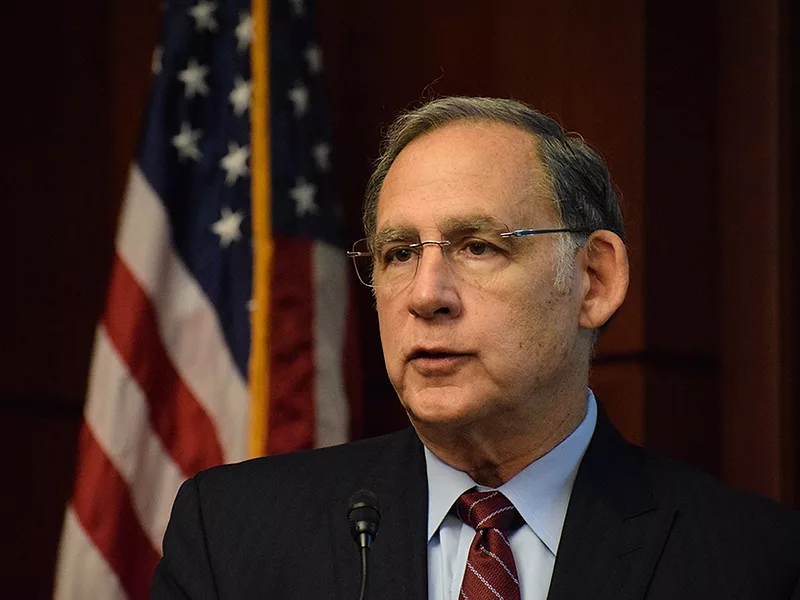
“To rein in federal spending and protect taxpayer dollars the committee is pursuing meaningful reforms to the Supplemental Nutrition Assistance Program (SNAP) to improve efficiency, accountability and integrity,” Senate Ag Committee Chairman John Boozman, R-Ark., said in a statement Saturday.
“We are continuing to examine options that comply with Senate rules to achieve savings through budget reconciliation to ensure SNAP serves those who truly need it while being responsible stewards of taxpayer dollars.”
Cuts to SNAP in the Senate version of the reconciliation bill would save an estimated $211 billion over 10 years, $67 billion of which was to be used to increase spending on farm bill programs.
It’s easy to be “in the know” about what’s happening in Washington, D.C. Sign up for a FREE month of Agri-Pulse news! Simply click here
“The Parliamentarian has made clear that Senate Republicans cannot use their partisan budget to shift major nutrition assistance costs to the states that would have inevitably led to major cuts,” The Ag Committee’s top Democrat, Amy Klobuchar of Minnesota, said in a statement.
“While Republicans’ proposed cuts to SNAP will still be devastating to families, farmers, and independent grocers across the country, we will keep fighting to protect families in need. Instead of a rushed partisan process, Republicans should work with us to lower costs for Americans and pass a bipartisan Farm Bill that works for all farmers and rural America.”
The Senate Ag provisions scaled back an even more extensive cost-share provision in the One Big Beautiful Bill Act that the House passed in May.
The Congressional Budget Office estimated the House bill’s requirement that states pay at least 5% of the program’s costs would save taxpayers $128 billion over 10 years. CBO said the requirement would reduce or end SNAP benefits for an estimated 1.3 million people in an average month.
For more news, go to Agri-Pulse.com.

