
Trump administration officials are compiling a list of agricultural products that could receive exemptions from President Donald Trump’s so-called reciprocal tariffs, according to three people familiar with the effort.
The Office of the U.S. Trade Representative has been leading work on assembling a list of raw commodities that are not produced domestically to shape bilateral trade talks and potentially offer tariff relief for U.S. importers, the people briefed on the effort told Agri-Pulse.
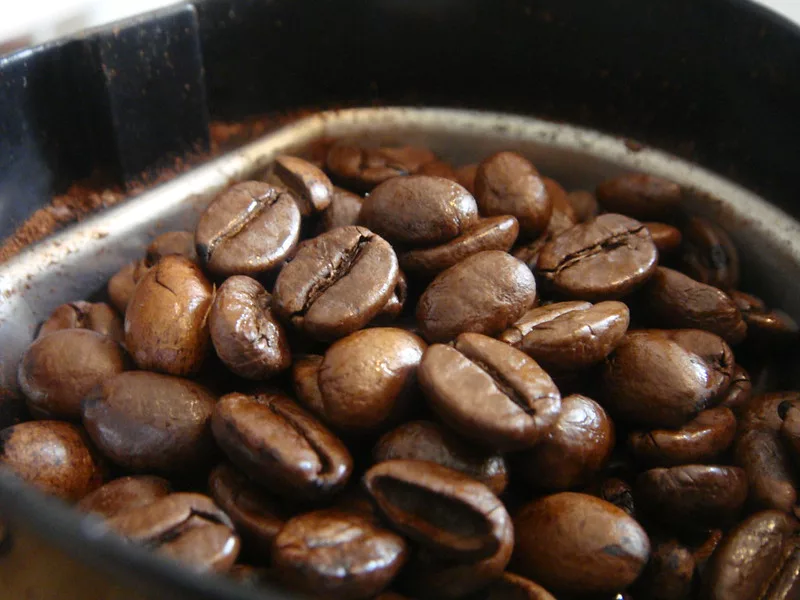
“They're certainly looking at this because, like, we don't have cocoa here … coffee beans, we don’t have here,” a person familiar with the effort said. “They're going to have to have this, especially for the agriculture and food sectors.”
The scope of the effort, they said, is limited to “unavailable natural resources,” like agri-food products, but could also include minerals for which the U.S. lacks deposits or which are located in areas where domestic mining industries would take many years to stand up operations.
USTR has told industry to “start thinking with that sort of terminology,” the person said, “anything that's unavailable here.”
USTR and the Commerce Department did not respond to lists of questions from Agri-Pulse on the effort. The Agriculture Department declined to comment, saying that USTR would be better positioned to provide any details.
It is not clear whether any list has been finalized, but one importer said that they had heard directly from USTR about the list and had received assurances that palm oil will be included.
They noted that they were not provided with any list, however, and could not speak to what else was on it.
The sources also did not know whether the White House was aware of the effort or had signed off. President Donald Trump and top trade adviser Peter Navarro have so far been reluctant to offer exemptions to Trump’s second-term tariffs.
A White House spokesperson told Agri-Pulse they are not aware of the effort.
It’s easy to be “in the know” about what’s happening in Washington, D.C. Sign up for a FREE month of Agri-Pulse news! Simply click here
The administration assembled an initial list of exempted products in an annex to the reciprocal tariffs announced on April 2, but has not stood up any formal exclusion process like the one established during Trump’s first term. Officials later excluded a slate of electronic products from the tariffs, including smartphones and laptops.
But after those exemptions, Navarro insisted to NBC’s Meet the Press in April that the administration’s official trade policy was “no exemptions, no exclusions.”
The president and senior officials are “not receptive at all to any sort of exclusionary or exemption process,” a person familiar with the latest tariff exemption effort said. Avoiding any use of the term “exemption” or “exclusion,” however, and focusing instead on “unavailable” resources, the person said, could be a more palatable messaging proposition.
Sources said this list of raw materials and agricultural products would be incorporated into country-specific trade arrangements, like those the president has announced with the United Kingdom, Vietnam, Indonesia, the Philippines and Japan.
“Exclusion for a product would have to be negotiated bilaterally, because otherwise it's just not going to happen,” a person familiar with the effort said.
If the agri-food exclusions materializes, it could offer relief to importers of products like tropical fruits, certain vegetables, seafood, coffee, cocoa, some seed oils and other critical inputs for food manufacturers. But it would do nothing to reduce the tariff burden on other critical farm inputs, including agricultural machinery, that rely on specialized manufactured products.
However, one of the people familiar with the effort said they hope that if the administration offers tariff exclusions for raw materials, it could serve as a springboard for other industries.
Unprocessed raw materials are easier to grant country-specific tariff exemptions because they don’t run into challenges around rules-of-origin, which is used to determine a product’s origin for tariff purposes. Manufactured products, however, which may include components from dozens of countries, are more complicated to pin down.
The source said they hope the administration starts with agri-food products and then builds on the effort by “trying to replicate or use that to for other industries that are a little bit more complex.”
Steve Davies contributed to this report.
For more news, go to Agri-Pulse.com.

