
California lawmakers are advancing a measure to empower the state to bypass federal decisions and list endangered species under emergency state protections. What supporters hail as a safeguard against Trump administration rollbacks is drawing concerns from agricultural groups and water districts over regulatory overreach and the potential economic fallout.
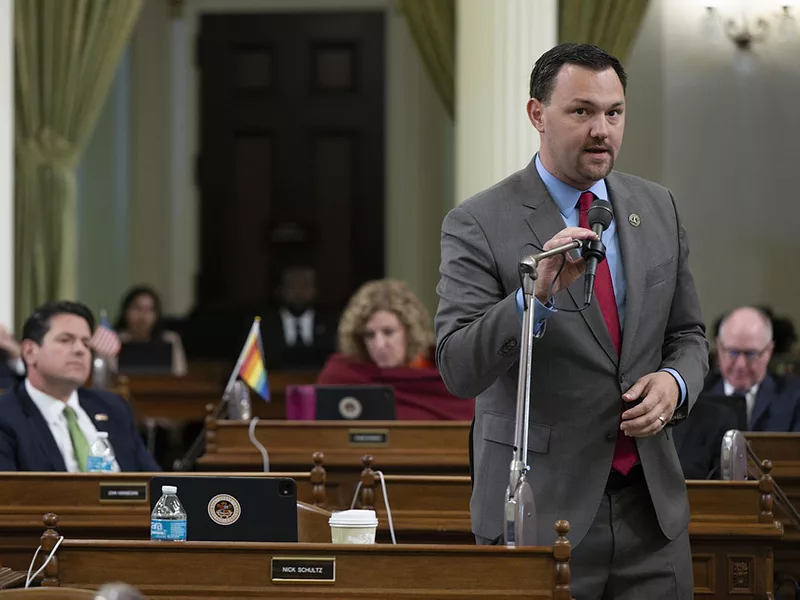
Assembly Bill 1319, authored by Assemblymember Nick Schultz, D-Burbank, is designed to respond directly to any federal action after President Donald Trump took office in January that reduces protections for species listed under the federal Endangered Species Act. Under the bill, the California Fish and Game Commission would be directed to adopt emergency regulations to list those species under the California Endangered Species Act. The legislation also prohibits the sale, purchase or possession of wildlife taken in violation of federal law as it stood on January 19, 2025.
While proponents say the bill is a measured response to potential rollbacks, critics contend it opens the door to hasty and duplicative regulations that could paralyze key industries.
“The current federal administration has made it clear that it intends to weaken protections for biodiversity, particularly endangered and threatened species,” said Schultz, introducing his bill to the Senate Natural Resources and Water Committee earlier this month. “Since January, President Donald J. Trump has issued multiple executive orders with directives to weaken protections for species under the federal ESA.”
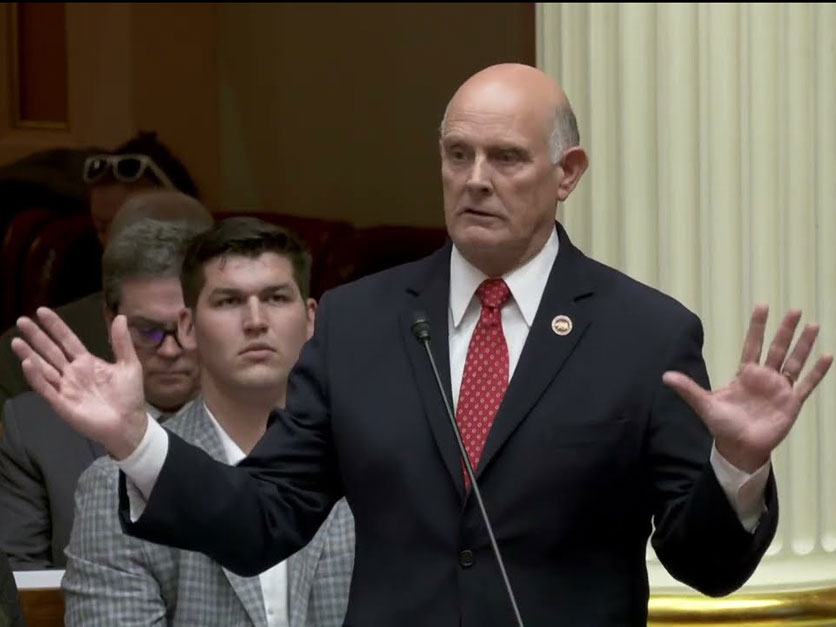 Sen. Kelly Seyarto, R-Murrieta (photo: Seyarto's office)
Ag and water districts raise red flags
Led by the Association of California Water Agencies, opponents argue the bill would grant state regulators sweeping authority to declare emergency protections without sufficient scientific review or public input.
They fear the emergency listing mechanism — triggered automatically upon any federal reduction in protections — will result in regulatory whiplash for those managing land and water. With no requirement that state scientists demonstrate an actual decline in a species’ status, the bill allows the state to step in because a federal protection was scaled back, regardless of whether the species is still biologically at risk, according to the arguments.
Julia Hall, state legislative director at ACWA, argues the bill “will create additional uncertainty for permittees, with the potential to lead to extensive delays and implementation of ongoing projects and also ongoing maintenance of existing facilities.”
Other water providers have registered opposition as well, including State Water Contractors, the San Luis & Delta-Mendota Water Authority and the powerful Metropolitan Water District of Southern California. The Water Blueprint for the San Joaquin Valley has stepped into the debate, though its new advocacy fund.
While the Milk Producers Council is the only agriculture group in opposition, the California Farm Bureau has been pushing for amendments, though it has not positioned on the bill. Richard Filgas, assistant director of policy advocacy at CAFB, worried about liability impacts for growers voluntarily participating in conservation benefit agreements, particularly for a pending initiative on monarch butterflies.
Interested in more coverage and insights? Receive a free month of Agri-Pulse West.
Under federal law, species decisions typically weigh economic and environmental factors and often involve public-private partnerships to enhance habitat. But AB 1319, critics argue, would bypass those negotiations and place emergency designations on species, triggering new water flow and land use restrictions with little notice.
The California Building Industry Association, meanwhile, contends the additional regulatory layers would slow down critical housing construction.
Concerns about duplication and legal conflict
Hall and others noted that the state already has the authority under CESA to list species independent of the federal government, with a defined process that includes petitions, scientific review and public comment. The emergency listing shortcut in AB 1319 would circumvent those protections and create new, overlapping categories of regulation that may contradict existing federal biological opinions and water management agreements, they argue.
“We think it could create a situation where the commission would be considering almost every federally listed species on an ongoing basis,” said Hall.
She added that the bill would place a significant fiscal burden on the California Department of Fish and Wildlife. She pointed to recent budget data indicating CDFW is currently only staffed at 40% of what it would need to meet its permitting and environmental protection goals.
Republicans have also raised skepticism over the bill. Senator Kelly Seyarto, R-Murrieta, aimed his criticism at the federal EPA, calling it “a pain in the butt.”
“I don't think that we need to respond to the federal government's efforts yet, until we see what exactly there they are,” said Seyarto.
Sen. Shannon Grove, R-Bakersfield, cautioned against creating more obstacles to affordable housing and water infrastructure projects.
Supporters defend bill as a safeguard
Despite the backlash, environmental advocates and Democratic lawmakers argue the measure is a necessary backstop in an era of federal retreat from species protections. Defenders of Wildlife, the bill’s sponsors, framed it as a way to preserve existing protections amid legal challenges and congressional gridlock.
“The federal government recently proposed to eliminate protections against the destruction of habitat for endangered species,” said Pamela Flick, the group’s California program director. “That means that while you cannot cut down a tree with a nest in it, if there's a listed bird or an egg in it, you can cut down that tree once the nest is empty.”
She acknowledged the state already has the power to list species and conduct emergency rulemaking but reasoned AB 1319 would “create a more proactive, thoughtful and controlled process” focused on federally protected species.
CDFW would be required to conduct a status review after each emergency listing and submit findings to the Fish and Game Commission, which would decide whether to make the listing permanent. Emergency listings could remain in place for up to two years.
Flick also countered claims of creating uncertainty through the legislation.
“This bill is in response to the massive uncertainty created by the federal government, uncertainty for declining species as well as uncertainty for projects,” she said.
Schulz sought to ease the opposition by adding a 2032 sunset date to the measure.
For more news, go to Agri-Pulse.com.

