
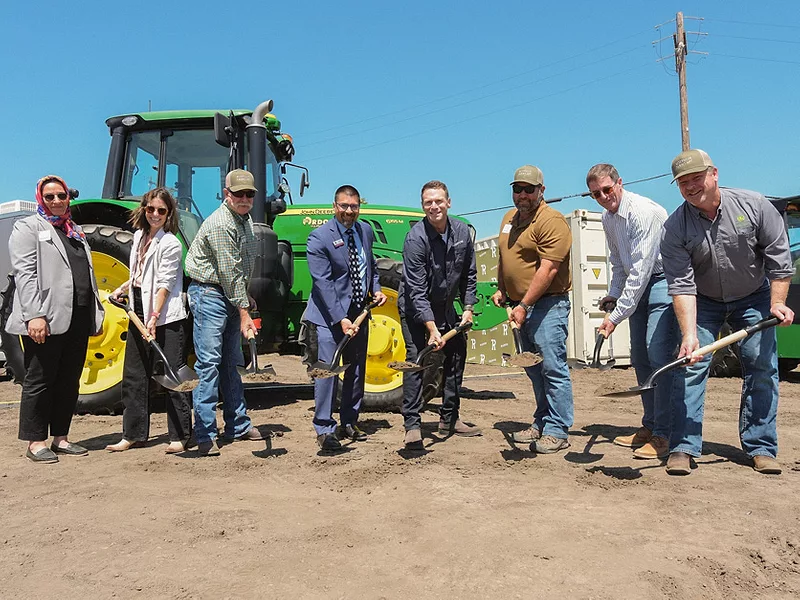
Standing before more than 200 growers, innovators and community leaders, Danny Bernstein, CEO of The Reservoir, cut the ribbon last week on what he called the first “Olympic village of agtech” — an on-farm startup incubator built to accelerate technology adoption in specialty crops.
The Salinas facility, located on land leased from Tanimura & Antle, will host six startups in its first cohort: Beagle Technology, BHF Robotics, CropMind, FarmBlox, High Degree Machinery and GeoVisual Analytics. The Reservoir will anchor a broader national strategy to embed agtech development directly in farming communities.
“This is a really special day, something we’ve been working on for months,” Bernstein told the crowd. “A lot of people ask me, ‘Why hasn’t there been a startup incubator built on a farm before? It’s a pretty basic idea.’ I said, ‘Well, it’s because it’s really hard, and it’s hard because of all the partnerships that are required.’”
Tackling agriculture’s headwinds
Bernstein said the venture is rooted in the economic and regulatory headwinds confronting specialty crop producers.
“Labor-related expenses are absolutely massive and are becoming more and more significant,” he said, while also citing a study from researchers at California Polytechnic State University, San Luis Obispo, showing a nearly 1,400% leap in regulatory costs for lettuce growers over two decades. “If you think about how reliant we are on resources — water being a critical one — we don’t have major water-related projects in California anymore, and so there are just significant headwinds facing something that is so critical to us.”
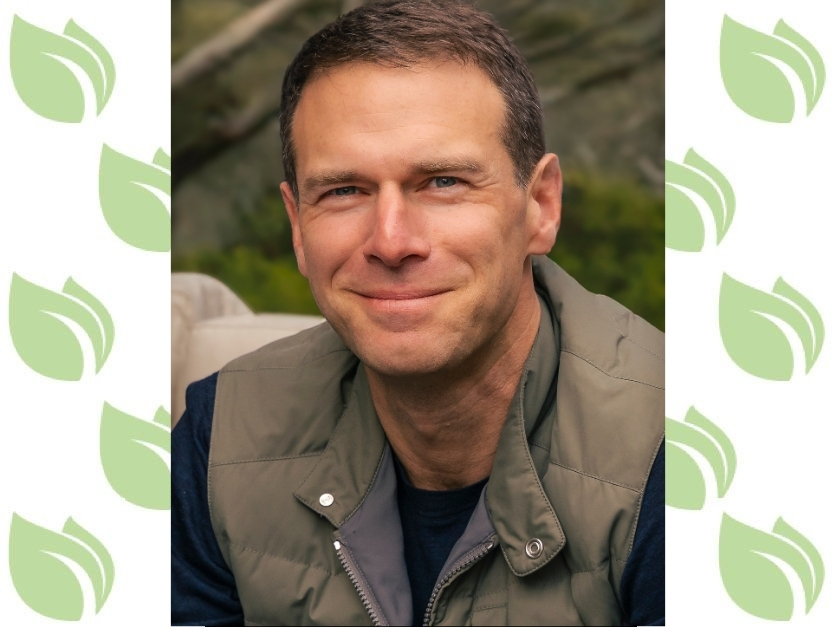 The Reservoir CEO Danny Bernstein (Reservoir Farms photo)
He said that the Salinas hub offers a “new innovation system” where startups can live alongside growers, test prototypes in real conditions, and accelerate the pace of commercialization.
“We’ve taken a very partnerships-driven approach here,” said Bernstein. “We feel like we can work with anyone.”
John Deere, which signed a strategic partnership with The Reservoir last week, underscored the effort’s potential by sending corporate leadership and equipment to the event.
“When we think about John Deere company and what we’re really trying to do in high-value crops, we’re really trying to be there for you,” said Sean Sundberg, business integration manager at John Deere. “We’re planting our flag here in Salinas — investing in Salinas, investing in Reservoir — so that we can game change how agriculture is done going forward.”
Don’t miss a beat! It’s easy to sign up for a FREE month of Agri-Pulse news! For the latest on what’s happening in Washington, D.C. and around the country in agriculture, just click here.
He stressed why the company chose Salinas as its proving ground.
“People have asked me why Salinas?” he said. “Why not? It’s a great place to be doing the work that you do — feeding the world — having access to the Bay Area and some of the talent and the technology that can come out of there easily. Having the dirt here, having the farm here, having the growers here, having the labor force here, and having a supportive mayor here.”
Local leaders and growers see opportunity
Salinas Mayor Dennis Donohue, who also directs the Western Growers Center for Innovation and Technology, said the hub builds on the city’s century-long reputation as the “salad bowl of the world.”
“This is a huge step forward to make sure 100 years from now we’re still the salad bowl of the world,” said Donohue.
He praised Bernstein’s “Olympic village” concept as “the first of its kind,” noting that it will ground innovation in field conditions.
“This doesn't become a theory. This really is hands on in the field, where it's where it matters,” he said.
Monterey County Farm Bureau Executive Director Norm Groot applauded The Reservoir while pointing to “greater pressures from environmental resource management, farm efficiency and regulatory compliance costs” that are hitting farmers.
“Reservoir strengthens our mission by focusing on practical solutions that come to the challenges and the changing economic climate that we’re currently working through,” Groot said. “Reservoir Farms will be the grower accelerator that will provide our farmers with a direct role in shaping the innovation and new technologies that will define and shape the future success of our agricultural sector.”
Jackie Cruz, vice president of advancement at Hartnell College, said the partnership will translate directly into training opportunities.
“Our students will be gaining direct exposure to robotic sensors and precision ag systems being tested right here at the farm,” she said. “These pathways open up careers in data analytics, engineering support, advanced field operations — creating opportunities that keep talent here in the valley and in Monterey County. We don’t want to lose our youth and our talented folks to other areas.”
The Reservoir also partnered with Driscoll's, Netafim, Nutrien, Taylor Farms, Naturipe Berry Growers and Western Growers.
Expanding the model
The coalition plans to replicate the model in other regions, starting with a University of Arizona pilot in Yuma this winter and then hubs across California’s Central Valley and into other major growing regions, each anchored by academic and R&D institutions. Yet Bernstein stressed the benefits with establishing the initial foundation in the Central Coast.
“This is such a California story. This is a Salinas story,” he said. “We’re unapologetically intense. We are people who love to work, we work hard, and we take a lot of pride in what we do.”
For Donohue, the incubator’s success will be measured not just in new robotics or AI tools, but in sustaining a way of life.
“Becoming the proving ground for agtech, Salinas really is attracting investment from all over the world,” he said. “We really are the fresh nerve center of the planet.”
For more news, go to Agri-Pulse.com.

