
The Trump administration is vowing to protect American farmers from "high and volatile" costs for fertilizer, seed, equipment and other key inputs as growers grapple with a difficult agriculture economy.
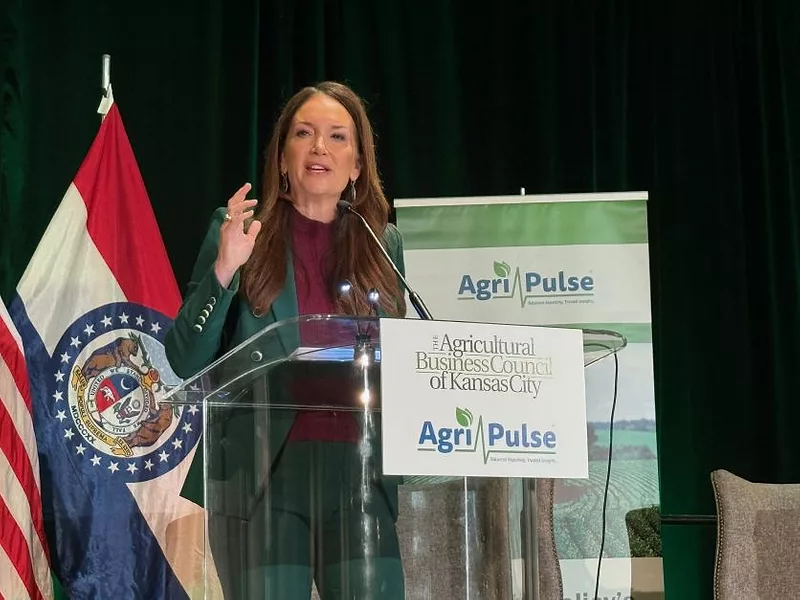
USDA and DOJ joined forces today to ramp up oversight of farm costs and ensure competitive agriculture and food supply chains as well as lower prices for consumers, Ag Secretary Brooke Rollins said in remarks at the annual Ag Outlook Forum in Kansas City, Missouri, on Thursday.
The Agriculture and Justice departments signed a Memorandum of Understanding (MOU) outlining a joint effort to safeguard U.S. farmers and ranchers from wild price swings for fertilizer, seed, energy, equipment and other key inputs, Rollins said.
"The antitrust division of DOJ will work hand-in-hand with USDA effective immediately to take a hard look and scrutinize competitive conditions in the agricultural marketplace, including antitrust enforcement that promotes free-market competition," Rollins said. "Farmers have enough challenges to deal with; sky-high input prices shouldn't be one of them."
The USDA chief also noted "undue foreign influence" in the fertilizer market given that a large part of the production of crop nutrients is overseas. Cost of fertilizer has climbed 37% in roughly four years, while seed is up 18%, fuel and oil 32%, labor 47%, equipment and vehicles 45% and interest expenses 73%.
Cut through the clutter! We deliver the news you need to stay informed about farm, food and rural issues. Sign up for a FREE month of Agri-Pulse here.
Corn grower groups, including in the top U.S.-growing state of Iowa, have previously called for federal scrutiny of pricing practices of companies and market forces that influence fertilizer prices. The push has gained bipartisan support. Republican Sen. Chuck Grassley of Iowa and Democratic Sen. Tammy Baldwin of Wisconsin joined forces with a proposal to look at how ag industry consolidation impacts fertilizer prices.
The Trump administration's move comes as the agriculture economy is at a pivotal moment. U.S. corn, soybeans and wheat futures are down significantly since 2022, when Russia's invasion of Ukraine roiled farm supply chains. Fertilizer needed to feed the world soared to record highs and food inflation spiked.
Now, tariffs and supply woes are sending key crop nutrient prices higher and raising questions over whether growers will cut back on applications, potentially putting the next season's yields at risk.
The forum at the Kansas City Marriott Downtown is sponsored by the Agribusiness Council of Kansas City and Agri-Pulse Communications.
For more news, go to Agri-Pulse.com.
.webp?t=1762183428)
