
When the Senate released its draft language for the farm bill at the end of June, it got one thing right: the omission of the Save Our Bacon Act. Behind its playful name, this provision would be deeply harmful, dismantling laws like California’s Proposition 12, which prohibits cruel confinement practices such as keeping breeding sows in gestation crates. The Save Our Bacon Act would further prioritize industrial agriculture interests by overriding hundreds of other voter-approved state laws protecting animal welfare and public health. Independent farmers across the country stood up to this harmful text and will continue to push back against it and any similar measures.
Leaving the Save Our Bacon Act out of the Senate text is important, but that just maintains the status quo — and farmers are struggling too much right now for that to be acceptable. With the final farm bill, Congress has an opportunity to promote policies and programs that uplift small and mid-size independent farms, who make up 85% of American farmers. We urge them to seize it.
For decades, farm policies have left independent farmers and producers with pennies while rewarding industrial agriculture operations with funding and infrastructure. The result is a food system precariously sustained by concentrated animal feeding operations that confine animals in dangerously overcrowded conditions. The net effect is unhealthy animals more vulnerable to disease outbreaks like bird flu and screwworm, and destabilized rural economies — as evidenced by the over 158,000 farms shuttered since the last farm bill.
We’ve had to watch agriculture’s downward spiral and degradation of the food system over the past few decades while understanding more than most that it doesn’t have to be this way.
Independent livestock farmers like us prove every single day that farming can be humane, sustainable and give back to rural economies.
If policymakers visited our farm they’d find our heritage breed pigs, Nubian goats, and various poultry cohabitating with free access to pastures that we rotate them through regularly to maintain parasite control and pasture health. They’d see the goats foraging, pigs rooting for treasures or resting in one of their wallows, and the poultry enjoying insects as delicious treats. They’d learn that we sell our products directly to local consumers — our immediate community — providing high-quality meat right to our neighbors. These folks make the trip because they value how we farm. Our farming practices offer our Virginia neighbors a resilient food chain, healthier soils and cleaner water and air. This is the food system consumers want — and yet, we, the farmers working to meet those demands, struggle every day with accessing the funding, infrastructure and competitive markets we need to produce.
Access is the driving force behind the FACE Ag Network (Farmers for Animals, Communities & Environment), a growing movement of over 170 independent, pasture-based farmers across the country fighting for fair markets and policies that prioritize farmers like us. For too long, corporate interests have dominated food policy conversations. FACE is the first coordinated national effort to ensure pasture-based farmers have a seat at the table. And with this farm bill, Congress has an opportunity to grant us access to institutional support that we have been denied for decades.
The final version of the farm bill should invest in programs that expand independent farmers' access to local markets and conservation funding. In light of extensive cuts to USDA procurement funding, Congress must ensure that the farm bill includes mandatory, sustained investment in programs like Local Food Purchase Assistance, which provides local purchase agreements to small and mid-sized farmers, providing the stability necessary to increase the capacity and long-term viability of their farms. Congress must also pass a farm bill that includes critical reforms to conservation programs like the Environmental Quality Incentives Program, ensuring that those taxpayer dollars are going to meaningful conservation projects like transitions to regenerative grazing, rather than flowing to massive operations to support industrial infrastructure like manure lagoons.
Now is the moment for Congress to make the farm bill an example of how it supports small farmers, the same way so many other fiscal policies are designed to support small businesses. We are asking Congress to go out and meet farmers on their farms and hear their stories before they finalize this pivotal legislation. Investing in pasture-based farmers preserves our environment, strengthens rural small businesses, improves animal welfare, and builds a more resilient food system. The Senate showed it was possible by excluding the Save Our Bacon Act from their draft. Now we’re asking Congress to take one step further and finally prioritize independent farmers through policy.
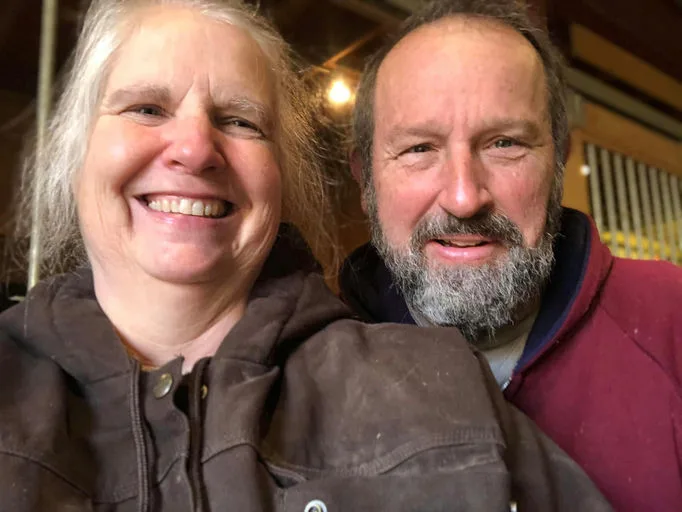
Sharon Kay and Bill Theiss are FACE Ag Network farmer leaders and operators of Fawn Crossing Farms in Virginia.