
EPA and the Army Corps of Engineers are taking another stab at establishing a “durable, common-sense definition of ‘water of the United States’” under the Clean Water Act, the agencies said Monday in announcing a proposed rule.
The definitions advanced by various administrations have been the subject of endless litigation, leaving farms and other regulated businesses without a clear picture of the scope of their responsibilities under the law.
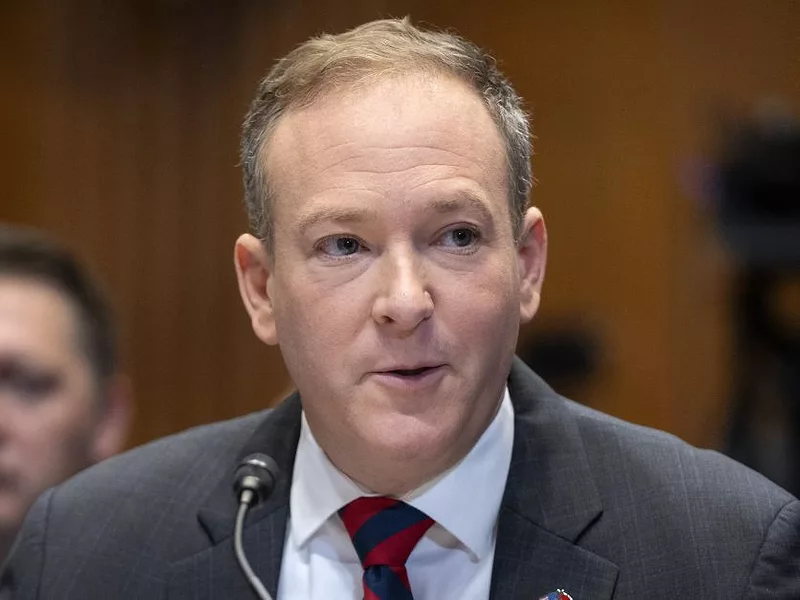
EPA Administrator Lee Zeldin has said the Biden administration had failed to properly implement Supreme Court’s decision in Sackett, in which the court rolled back protection for wetlands.
Specifically, the court found that “adjacent wetlands” under the law are those wetlands that have a continuous surface connection to bodies already considered "waters of the United States.” The wetlands must be “indistinguishable” from those waters to be considered jurisdictional.
“When finalized, the rule will rule cut red tape and provide predictability, consistency, and clarity for American industry, energy producers, the technology sector, farmers, ranchers, developers, businesses, and landowners for permitting under the Clean Water Act,” a press release issued by the agencies Monday says.
The proposal also would define terms such as “relatively permanent,” “continuous surface connection,” and “tributary” “to appropriately delineate the scope of WOTUS consistent with the Clean Water Act and Supreme Court precedent,” the release says.
It’s easy to be “in the know” about what’s happening in Washington, D.C. Sign up for a FREE month of Agri-Pulse news! Simply click here
In addition, under the proposal, “jurisdictional tributaries must connect to traditional navigable waters either directly or through other features that provide predictable and consistent flow,” the release says.
The proposal also looks to give states and tribal authorities “clear regulatory guidelines while recognizing their expertise in local land and water resources,” the agencies’ release says.
Once published in the Federal Register, the proposal will be open for public comments for 45 days. EPA and the Corps plan to hold two hybrid public hearings.
At an event to announce the proposal, Zeldin said his goal in crafting the proposal "was to come up with a definition that no matter what would happen in November of '28 or November 2032 that you're going to keep this definition. This wasn't about taking a pendulum and swinging it as far as you can up against another edge. It's about getting it right, and I think that our farmers, our ranchers, our landowners in these states absolutely deserve it."
Republican West Virginia Gov. Patrick Morrissey and a group of congressional representatives also spoke, with many emphasizing the confusion farmers have felt over the years due to WOTUS.
Environmental groups reacted quickly and negatively to the proposal. The National Wildlife Federation issued a news release saying if finalized, the proposed rule "will protect fewer streams and wetlands from pollution and destruction than at any point since the law’s passage in 1972."
For more news, go to Agri-Pulse.com.
This story has been updated with details from the announcement at EPA.

