
California’s infrastructure earns C-, with aging systems, climate risks and funding gaps
California’s infrastructure received a C- grade in a new statewide assessment released this month by the American Society of Civil Engineers, signaling that many essential systems — from roads and drinking water to levees and schools — are struggling to keep pace with demand and climate pressures.
The 2025 California Infrastructure Report Card found nearly every major category requires attention, with only rail, airports and ports receiving grades in the B range. Most categories —roads, drinking water, dams, inland waterways, stormwater, transit and levees — fell in the C-to-D range, meaning critical components are either deteriorating or at risk. Public parks and schools received D+ marks, among the lowest scores in the report.
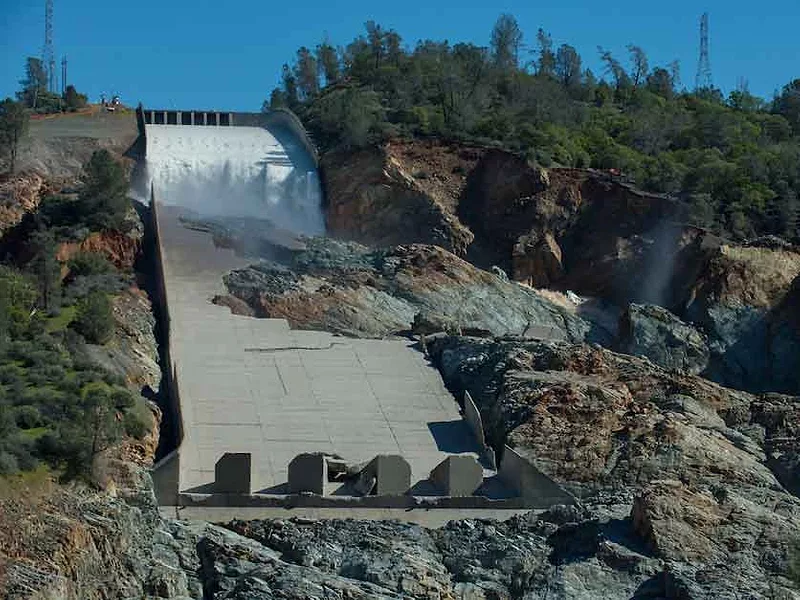
The report warns that deferred maintenance and aging systems are driving rising costs. Much of California’s infrastructure was built decades ago and is now showing its age, according to the executive summary. The state manages 177,576 miles of public roads, 25,392 bridges, 1,500 dams and more than 10,000 public schools, all facing escalating strain as the population grows and climate impacts intensify.
Interested in more news on farm programs, trade and rural issues? Sign up for a four-week free trial to Agri-Pulse. You’ll receive our content - absolutely free - during the trial period.
Engineers cited threats from extreme heat, earthquakes, drought, wildfires and sea-level rise — all of which are increasing costs and urgency. Levees and water systems are particularly vulnerable to flooding and aging components, while wildfire-related closures have already disrupted key bridges and damaged public facilities.
Funding shortfalls remain among the biggest barriers. While federal investment, including the Infrastructure Investment and Jobs Act, has helped accelerate repairs, “costs to maintain, upgrade, and expand infrastructure to meet current and future needs far exceed available resources,” the report noted. Local governments, especially those with aging smaller systems, struggle most to compete for funding or maintain staff capacity.
The authors recommend several statewide reforms, including long-term dedicated funding, streamlined permitting for infrastructure upgrades, expanded workforce development, and wider use of asset-management tools to prevent crisis-based maintenance cycles.
Despite the challenges, the report highlights progress in clean energy, water recycling, seismic retrofits, transit modernization and wildfire planning — areas where California is considered a national leader. But without sustained investment, the group warns that growing repair backlogs could jeopardize public safety, economic competitiveness and quality of life.
“Infrastructure is at a turning point,” the report concludes. “Investing today will determine whether systems remain functional tomorrow.”

