
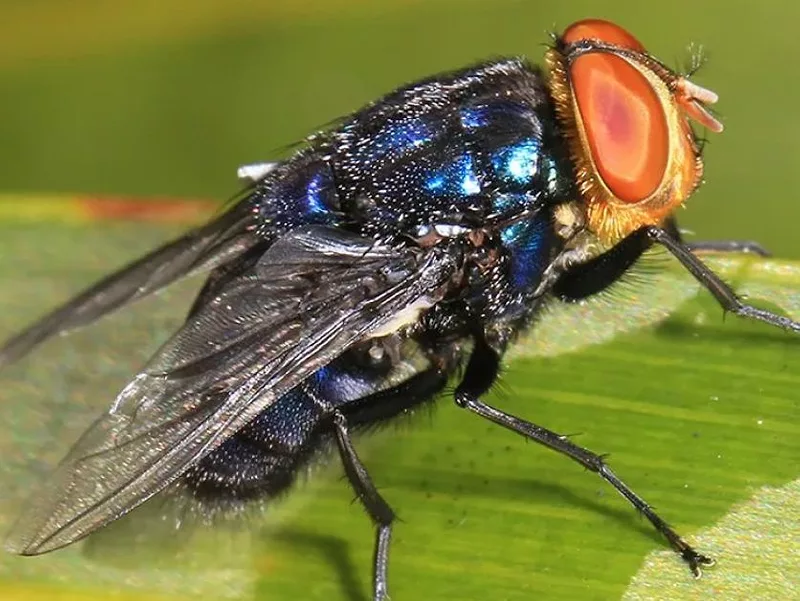
California beef and dairy producers are on high alert as a notorious flesh-eating parasite, the New World screwworm, edges closer to the U.S., raising concerns about livestock health and potential economic losses.
Cases have been confirmed in Mexican cattle, with detections as close as 70 miles from the U.S. border. California producers are watching the situation closely, though no screwworm infestations have been detected within the U.S. Dairy and cattle are among the state’s top-valued agricultural commodities — with milk and dairy products accounting for the state’s largest farm-gate value and cattle and calves among the top commodities — making potential impacts especially concerning.
“Controlling for and preventing impact from the New World screwworm are the majority of the questions I’m receiving now,” said Brooke Latack, a University of California Cooperative Extension livestock adviser serving counties near the Mexican border, where hundreds of thousands of cattle are raised. “There is definitely concern about the screwworm down here for producers, industry members and the veterinarians that serve the area.”
In a blog post, Latack and other UC Agriculture and Natural Resources experts note the parasite’s larvae can cause dramatic tissue damage and can be fatal within a week or two of infestation. Veterinary specialists describe its effects as gruesome, with wounds often becoming infested with secondary organisms and leading to rapid decline in animal health.
Interested in more news on California agriculture, labor, water and rural issues? Sign up for a four-week free trial to Agri-Pulse West. You’ll receive our content - absolutely free - during the trial period.
Daniela Bruno, UCCE dairy adviser for Fresno, Madera and Kings counties, said dairies are financially vulnerable to even small disruptions.
“Unlike beef cattle, which can be held back from market during a quarantine, dairy cows produce milk every day that must be processed immediately — if a farm is quarantined or a plant shuts down, milk spoils quickly and has to be dumped,” explained Bruno.
Producers are also reviewing biosecurity practices and animal-handling procedures to minimize risks, including careful monitoring for wounds and prompt treatment to reduce potential egg laying by adult flies. Federal and state agencies continue to emphasize surveillance, reporting and preventive measures to avert a return of screwworm to U.S. livestock herds.

