
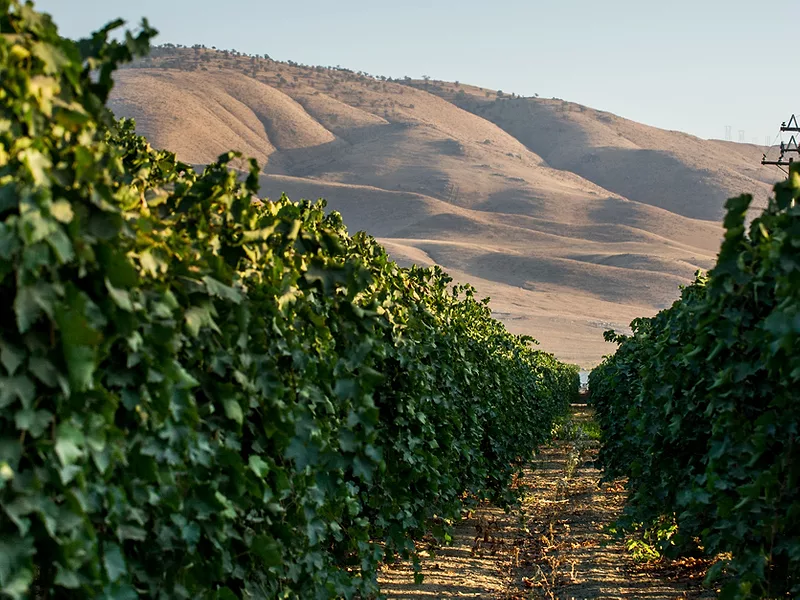
California winegrape growers are pushing a coordinated policy strategy in Sacramento this year, advancing a package of proposals they say will help stabilize the industry, address rising costs and strengthen consumer confidence in California wine.
The California Association of Winegrape Growers announced it is backing a slate of legislation aimed at supporting family farmers, expanding market opportunities and reinforcing labeling transparency.
“Growers are under real pressure, but they’re not sitting on the sidelines,” said CAWG President Natalie Collins in a statement last week. “This legislative package reflects growers taking responsibility for the issues within our control, expanding opportunities for Californians to buy and experience local wine, addressing rising cost pressures, and ensuring wine labels reflect what’s actually in the bottle. Our message is straightforward: In California, we grow wine, and our growers are proud of the wine we grow.”
The agenda builds on several measures already introduced this year. Among them is Assembly Bill 1585, which would require that wine labeled as “American” be made from 100% American-grown grapes, a step supporters say would strengthen truth-in-labeling standards and better align with California’s long-standing requirements for wines labeled “California.”
Another key effort backed by CAWG focuses on labor policy. The association is cosponsoring Senate Bill 921 with the California Farm Bureau, a bipartisan proposal to create a tax credit aimed at fully offsetting the cost of overtime wages paid by agricultural employers. Supporters argue the measure would help maintain farmworker access to overtime while providing relief to operations facing rising labor costs.
CAWG is also backing SB 917, a measure cosponsored with Family Winemakers of California that would expand opportunities for small, nonestate wineries that purchase local grapes to sell wine and offer tastings at certified farmers markets. Supporters say the proposal would strengthen direct-to-consumer connections while supporting local supply chains and the broader winegrape economy.
Together, the measures reflect broader industry concerns about financial pressure, shifting market demand and regulatory challenges. CAWG leaders say the package is intended to reinforce long-term viability for growers and protect the integrity of California’s wine sector.
The organization is also calling on growers and industry stakeholders to engage directly with lawmakers at its Advocacy Day in Sacramento on March 25, emphasizing that participation will be key as the bills move through policy committees this spring.

